Over 100 prehistoric structures discovered in Spanish cave
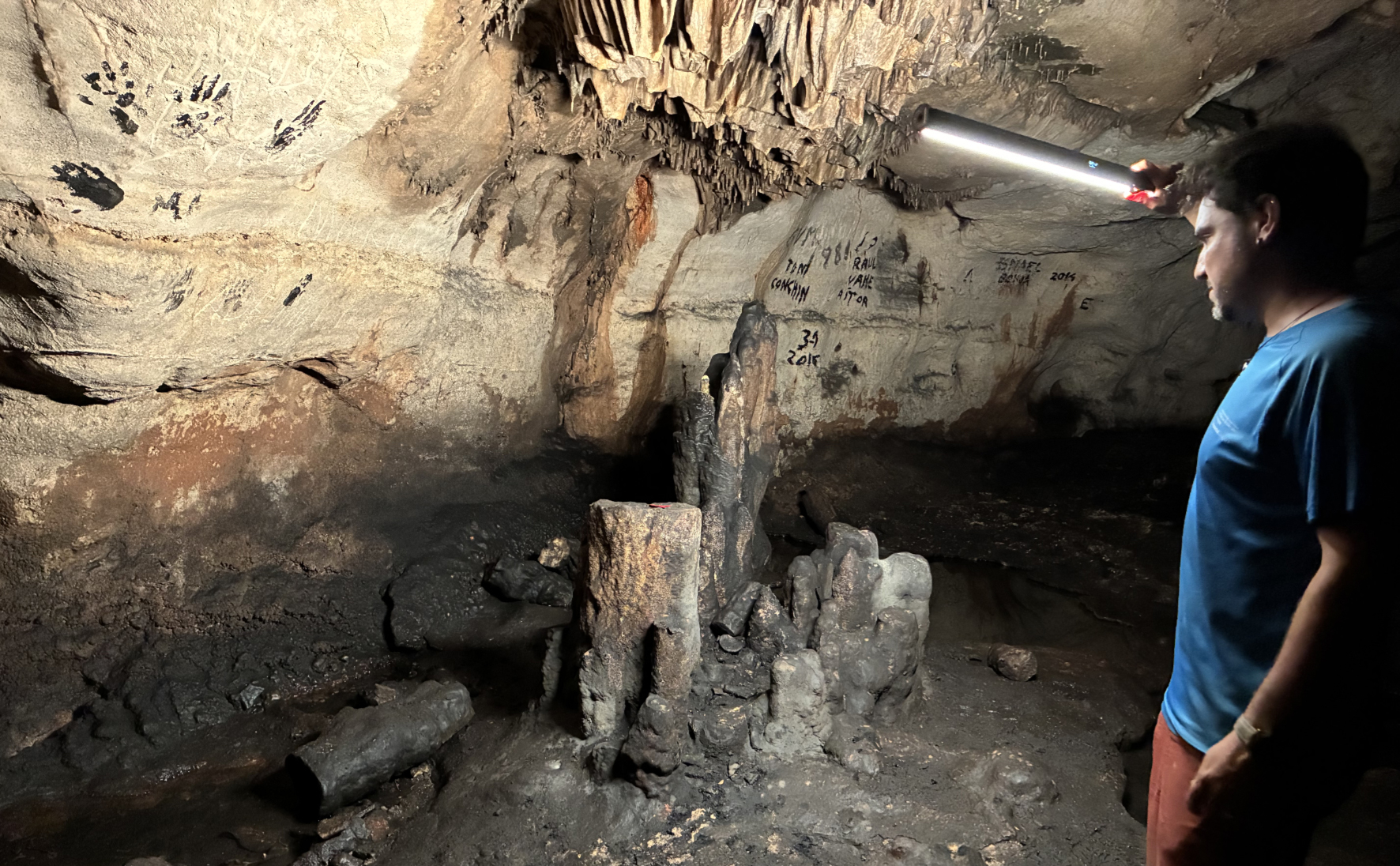
Archaeologists investigating a cave near Valencia in Spain have revealed more than a hundred prehistoric rock structures made by early humans who broke-up and reorganised stalagmites – naturally-occurring, underground geological features.
The stalagmites were intentionally broken, displaced, or rearranged by prehistoric communities to form rings, platforms, staircases and passageways. This deliberate rearrangement of the caves’ natural features is likely to have occurred tens of thousands of years ago.
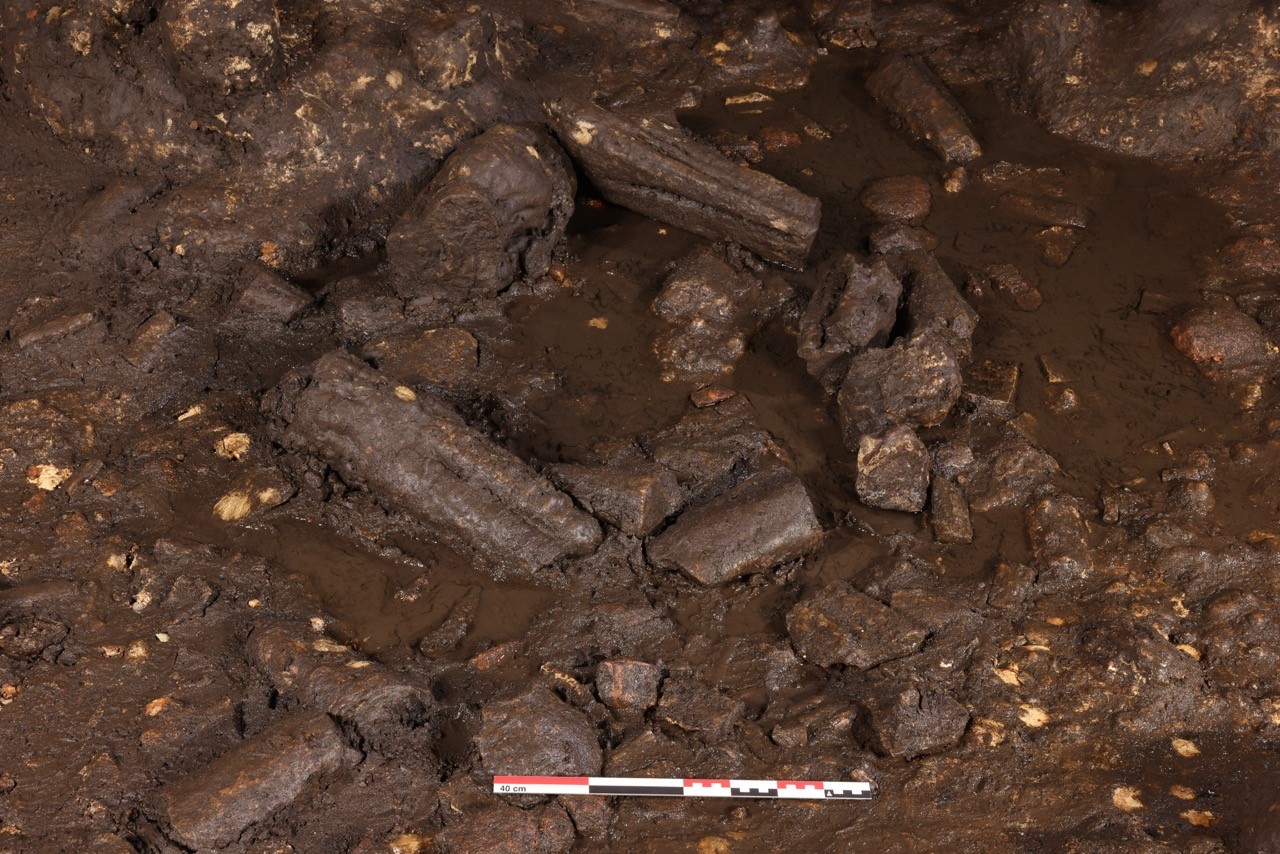
The discovery at Cova Dones in Millares was made by a research team led by Dr Aitor Ruiz-Redondo from the University of Zaragoza and the University of Southampton, and Dr Virginia Barciela from the University of Alicante. It’s part of the ongoing DONARQ research project, conducted by the ArchaeoSymbol research group.
Stalagmites are upright columns of rock that ‘grow’ from cave floors – formed by minerals dripping from above and building up over thousands of years. Known as ‘speleofacts’, the human-made structures found at Cova Dones are constructed from fractured and displaced stalagmites and other rock formations. Their exact use isn’t known, but they may have served a functional, ritualistic or symbolic purpose.
The Spanish cave now stands as one of the most significant global references for the study of speleofacts, second only in number of these to France’s Saint-Marcel cave.
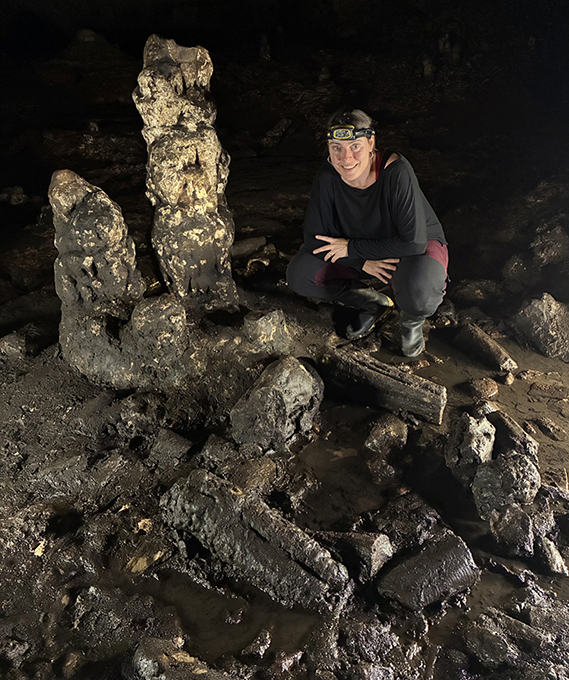
Archaeologist at the universities of Zaragoza and Southampton, Dr Aitor Ruiz-Redondo, comments: “Cova Dones has already revealed many secrets to us over the years we have been studying the cave – particularly an abundance of Palaeolithic cave art. This most recent discovery of speleofacts further underlines the global importance of this site to our understanding of early humans, and demonstrates planned occupation and adaptation of the underground environment in pre-history.”
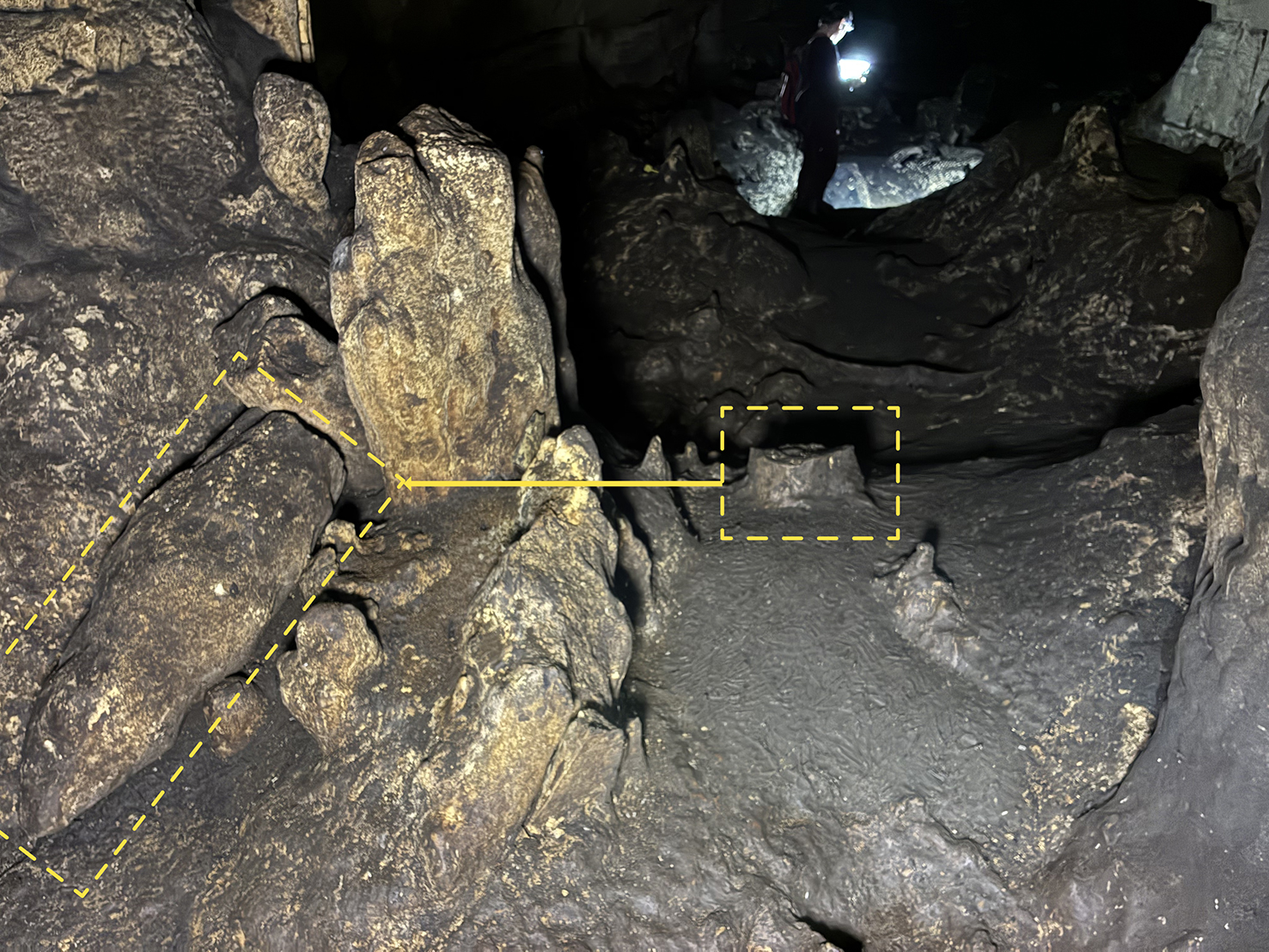
Speleofacts have been identified in various sectors of the cave and include a range of configurations that suggest intentional planning and use. The regrowth of calcite (calcium carbonite) deposits over some of the broken structures indicates they may have been in place for tens of thousands of years.
A detailed interdisciplinary study — including geomorphological, archaeological, and radiometric analyses — is now underway to determine the structures’ chronology and cultural context.
This latest discovery adds to a series of major archaeological findings at Cova Dones, further solidifying its status as one of the most exceptional archaeological sites on the Iberian Peninsula.
In 2023, the scientific journal Antiquity reported that the cave contains the largest known assemblage of Palaeolithic rock art in eastern Iberia, with over 150 paintings and engravings dating back more than 24,000 years.
Subsequent investigations also revealed a Roman sanctuary over 200 metres deep within the cave, containing numerous inscriptions and a coin from the reign of Emperor Claudius.
The 2025 field campaign at the cave included contributions from experts in prehistoric art, science, geomatics, Roman epigraphy, and rock art taphonomy – including participation from Dr Iñaki Intxaurbe Alberdi, a postdoctoral specialist in karst geomorphology and transformations, affiliated with the universities of the Basque Country (UPV/EHU) and Bordeaux, who identified most of the speleofacts.