-

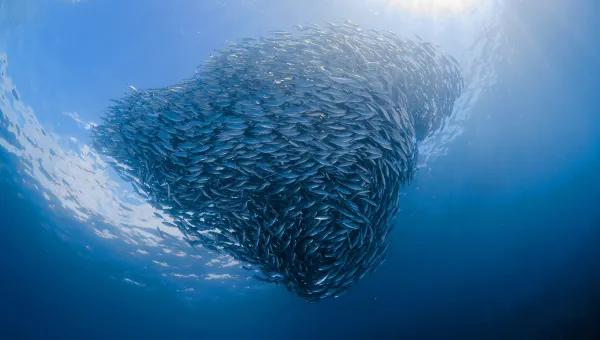
Promoting sustainable aquaculture
Researchers at Southampton are working with low-income fishing communities in India to promote sustainable fishing practices and protect biodiversity in the oceans.
-
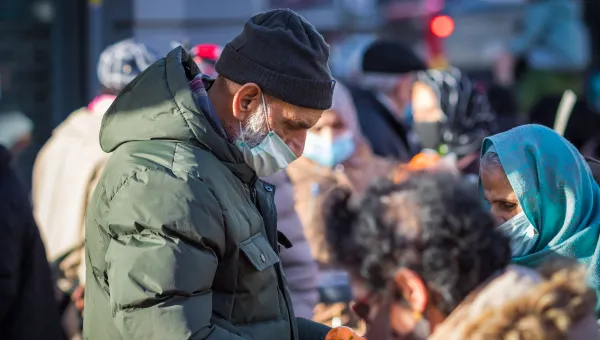
Air pollution research transforms UK policy and public health awareness
Pioneering research from a Southampton respiratory physician and clinical professor has transformed our understanding of air pollution from a respiratory issue to a central public health challenge.
-
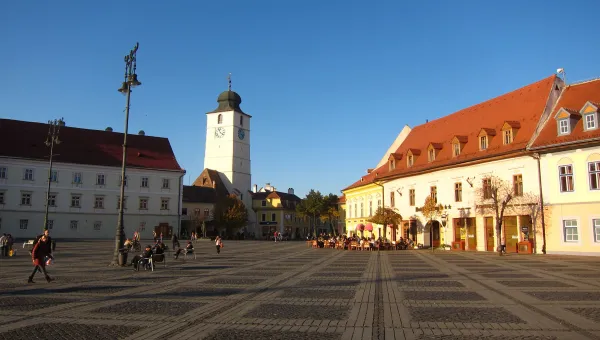
Understanding the impact of migration on older people’s support networks
Support networks for an ethnic minority of older people in Romania have changed following the large-scale emigration in 1990 by their younger family members.
-
Developing infrastructure to tackle homelessness
Southampton clinical psychologists link research, education and social enterprise to tackle homelessness.
-
Transforming patients’ experiences of living with increased cancer risk
Innovative e-learning, shaped by Southampton research, is improving the experience of men living with increased risk of prostate cancer.
-
Understanding and Projecting Childbearing Trends in the UK
Fertility forecasting projections developed by Southampton academics are being used by national statistical offices and government departments. They help shape plans for future demand in schooling, housing, childcare services, and health and welfare provisions.
-
Tackling pension poverty
Addressing inequalities in the pension system.
-
Incorporating AI and digital transformation into project management
With the significant growth in artificial intelligence (AI) and digital transformation, research from Southampton has shown these technologies can influence public and private sector project management.
-
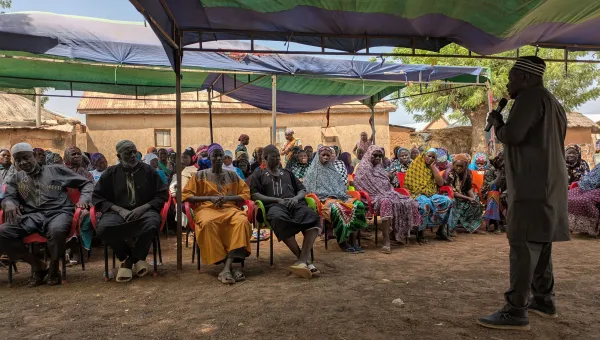
Developing community-led climate and health solutions in Ghana
Working with local people to improve their understanding of the climate crisis on their health and wellbeing.
-
Mapping tomorrow’s population distribution
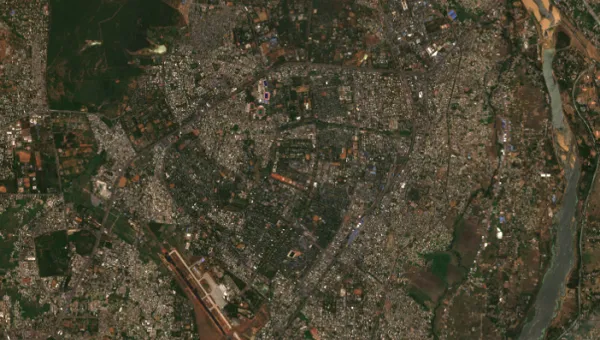
Research group WorldPop, based at Southampton, is developing maps which can be used to predict the impact of climate change on the distribution of Earth’s population by the end of the century. The maps will provide detailed pictures of humanity by 2100, including predicted population sizes, ages and genders.
-
Building greener communities with satellite technology
Scientists at Southampton are using satellite data to assess the carbon production of plants, monitor the Earth’s health, and help create greener, healthier global communities.
-
Preserving DNA in everlasting memory crystals
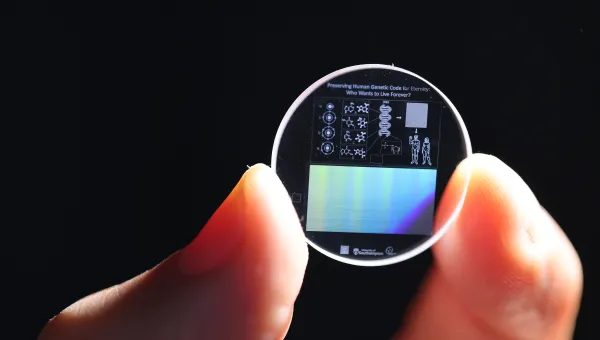
Scientists at the University of Southampton have successfully stored the full human genome (or complete set of DNA) onto a 5D memory crystal – an achievement which could hold the key to restoring life after extinction.