-

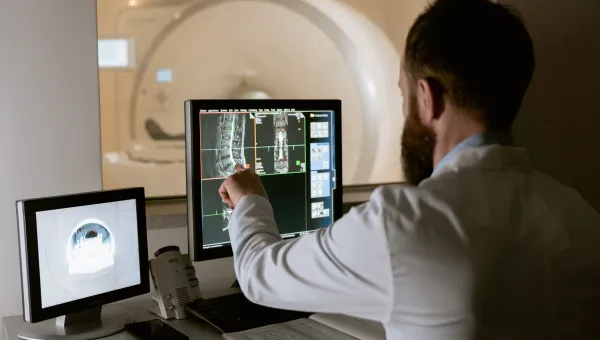
Using chemistry to see the invisible
A chemistry research project is making new advances in detecting cancer cells that currently can't be seen.
-
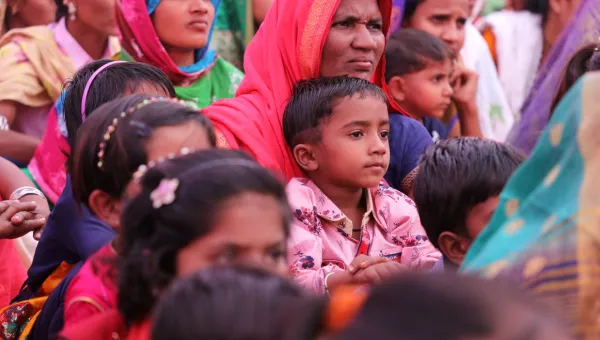
Improving maternal and neonatal health in India
Global health experts at Southampton are working with government to improve survival rates for expectant mothers and newborns. Their findings are influencing policy.
-
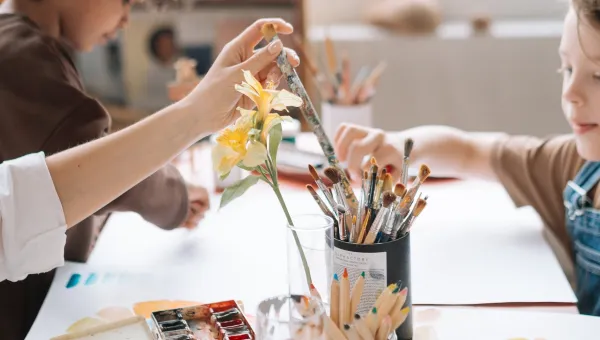
Giving children and young people a voice in city culture
Through the Connecting Culture research project, Southampton City Council will plan cultural activities for children and young people by drawing on their real-life experiences.
-
Curbing the impact of aircraft noise
A new project aims to mitigate the effect of increasing air traffic on people on the ground.
-
Enhancing astronaut health and helping physiotherapists consult during COVID
Health researchers share their insights to support both astronauts in space and people on Earth.
-
Using copper to fight COVID-19
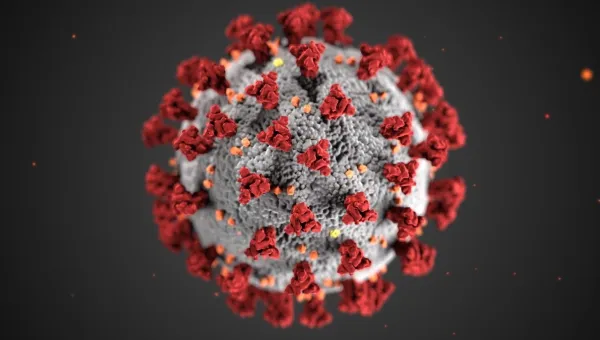
Biological Sciences and Health Sciences are showing how copper can provide a permanent defence against the spread of Coronavirus on surfaces in just one minute.
-
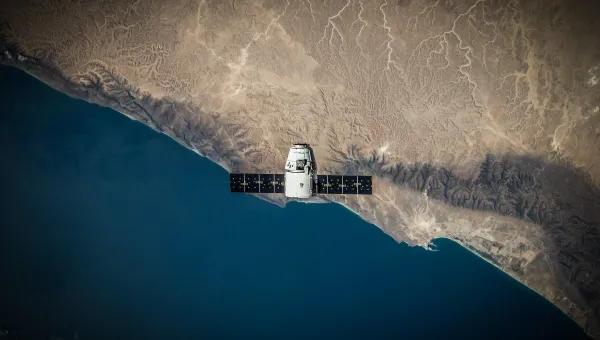
Expanding the use of satellite data to provide real-world benefits
The University is leading research into remote sensing to improve food security, population mapping and disaster response.
-
Putting children at the heart of climate policy
The University of Southampton has led research into the first comprehensive worldwide analysis of climate risk to children.
-
Securing food for the future
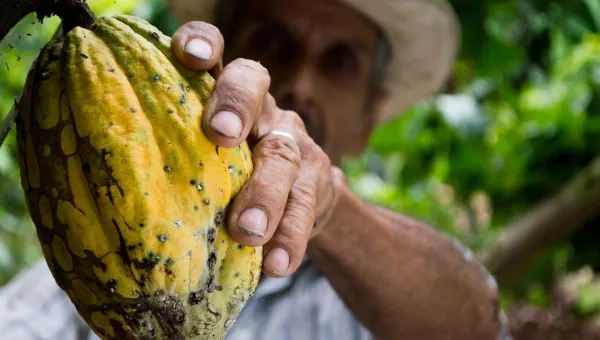
Our researchers are finding ways to provide food security for the future.
-
Helping diagnose and treat COVID-19 more quickly
When COVID-19 hit in late 2019, a worldwide fight to beat it began. Our biomedics have taken on the challenge to diagnose it quicker and treat it better - with promising early successes.
-
Empowering young people to make positive health choices during the COVID-19 pandemic
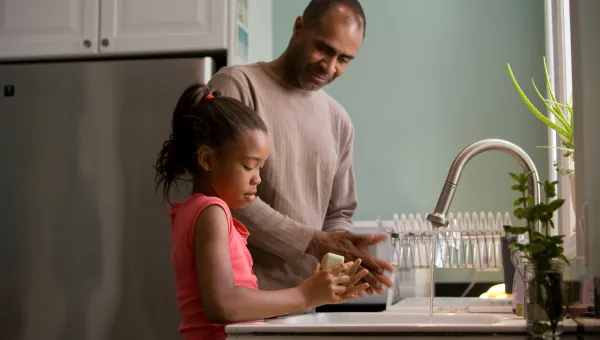
Helping young people to make positive lifestyle choices has never been as important as it is now. LifeLab is working to ensure young people have a voice, and that they understand the choices they can make to reduce the impact COVID-19 on their lives.
-
Population mapping saves lives
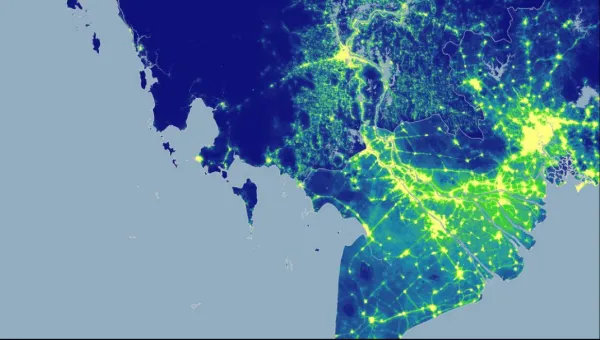
A University of Southampton research group is using new ways of mapping and counting populations to help developing countries. WorldPop's datasets have helped to eradicate polio in Nigeria and assist earthquake victims in Nepal.