From a Sticky Problem to a Scalable Solution: The Story Behind Labl.It
Featuring: Labl.It Solutions
If you walk into a bustling restaurant kitchen, you’ll notice that behind the heat and hustle lies a quiet chaos—piles of prep containers, labels scrawled with Sharpie pens, timers ticking. It’s the kind of environment where something as small as a missed allergy warning can have serious consequences. That’s the world where Labl.It was born—not in a boardroom, but amid the grind of a Southampton restaurant called Smugglers.
A Frustration Worth Fixing
Back in 2020, Kyle Wilks was deep in the trenches of hospitality. Alongside his brother, Rhys , he had spent five years building and running Smugglers, learning what made a restaurant run—and more often, what could make it break. One of many thorns in their side? Food labelling. Essential for food safety, but time consuming, a process still reliant on pen and paper (in reality tiny stickers), and worse, something that could be rushed and prone to human error.
Meanwhile, Sean Larsen , a product design graduate with a taste for entrepreneurial experimentation, had enjoyed a varied career which included qualifying as a helicopter pilot. His journey had already included both corporate unfulfillment working at a bank and the thrill of launching entertainment venues like 1st Base (a baseball batting bar).
The pair met through mutual friends in hospitality, and they clicked instantly. Though tech in the front of house space was evolving fast, their shared frustration over kitchen inefficiencies mounted and became the seed of a bigger idea – can they help streamline back of house operations, with the first step being whether they could automate food labelling in a way that was fast, affordable, and accurate?
A Lean Start
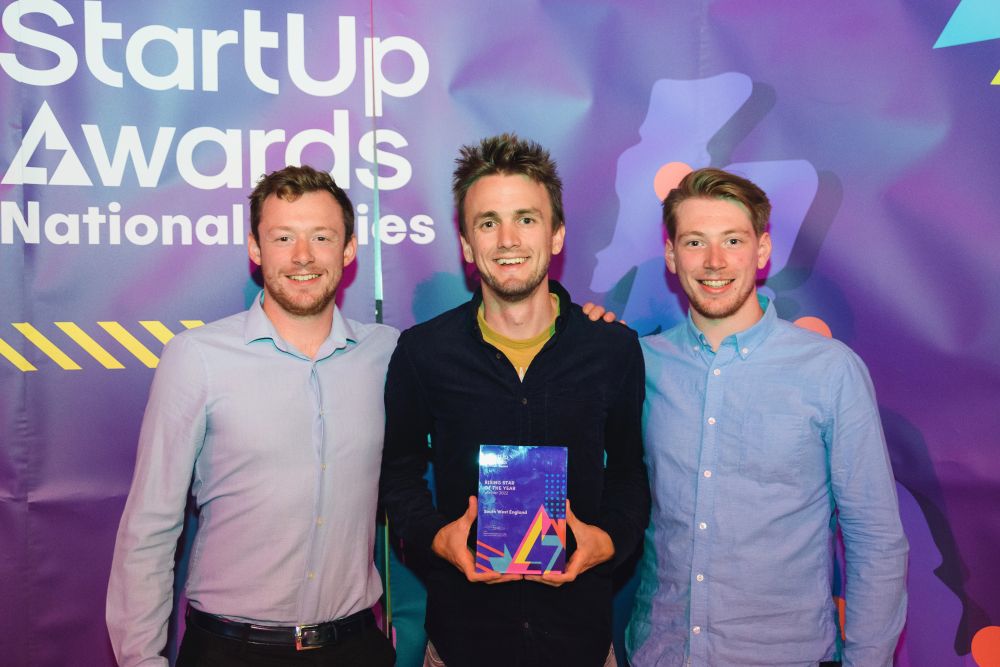
What came next followed the script of many a modern startup: an MVP built during the stillness of COVID lockdowns. Sean hacked together a basic version with help from an indie developer—just enough to test the idea. A few local kitchens tried it out. Feedback was positive. Encouraged, they entered the Southampton Football Club Positive Impact Pledge —and won £25,000.
“That funding was crucial,” Sean recalls. “It gave us breathing space and the ability to move from idea to product.”
Kyle, ever the realist, saw the moment for what it was: a proof point. “We could now afford to build something stable. Something real.”
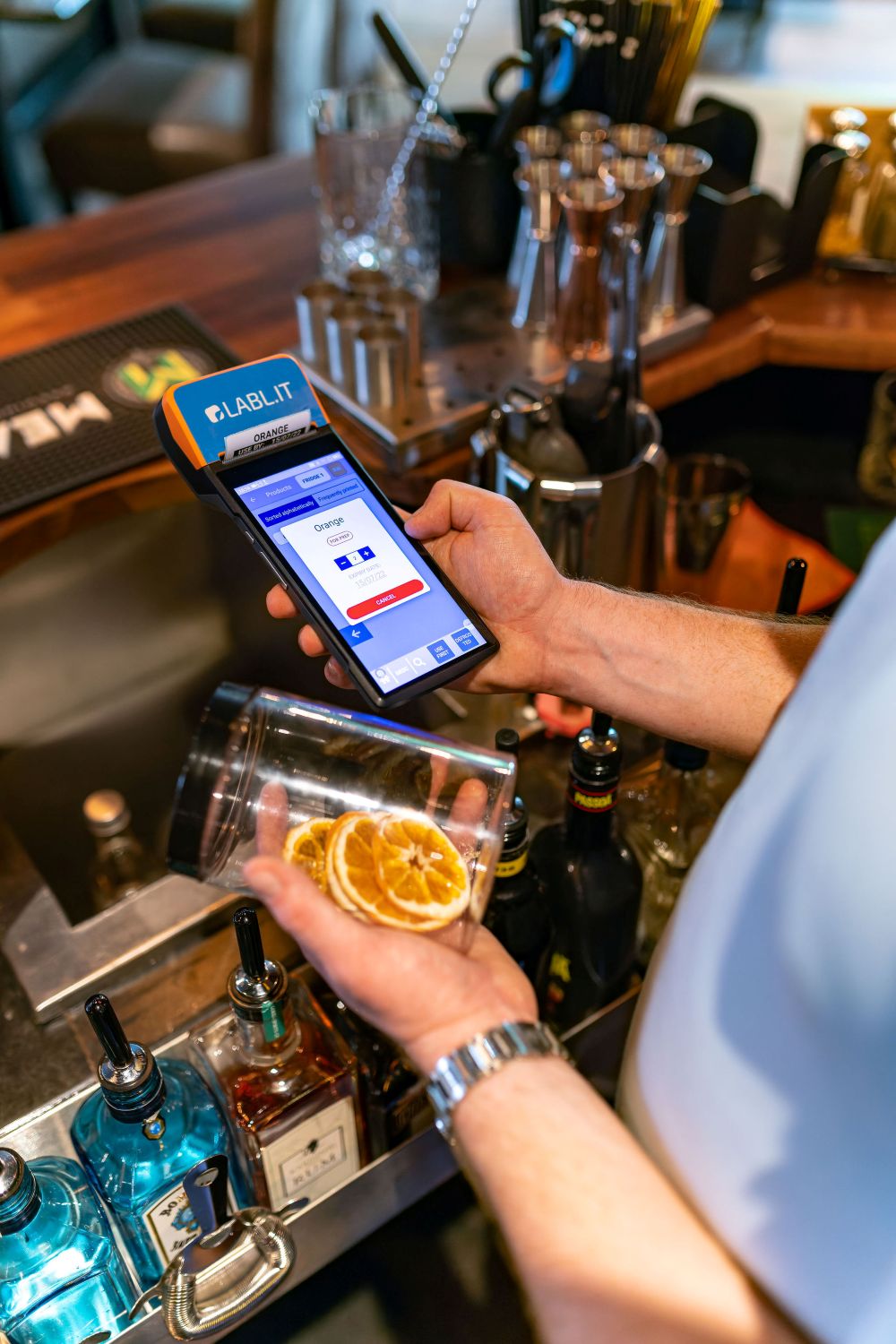
They brought in a development agency, rebuilt the platform, and integrated it with a new handheld printer—originally designed to issue receipts, but now adapted for kitchen-safe labels. It was scrappy. It was smart. And it worked.
A Team Grows
One of the early interns to join the team was Aya El Khoury , a recent Law and Psychology graduate from the University of Southampton. She had led the winning team at UoS’s Student Enterprise Startup Challenge that Sean had mentored and Kyle had judged. After the competition, Sean reached out. “We’re hiring,” he said. “You should apply.”
Aya did, and within months, she was on the team full-time—later becoming the company’s Marketing Lead.
“Honestly, this is the best decision I could’ve made,” Aya reflects. “I’ve learned so much—not just about marketing and sales, but about product thinking, tech, and resilience.”
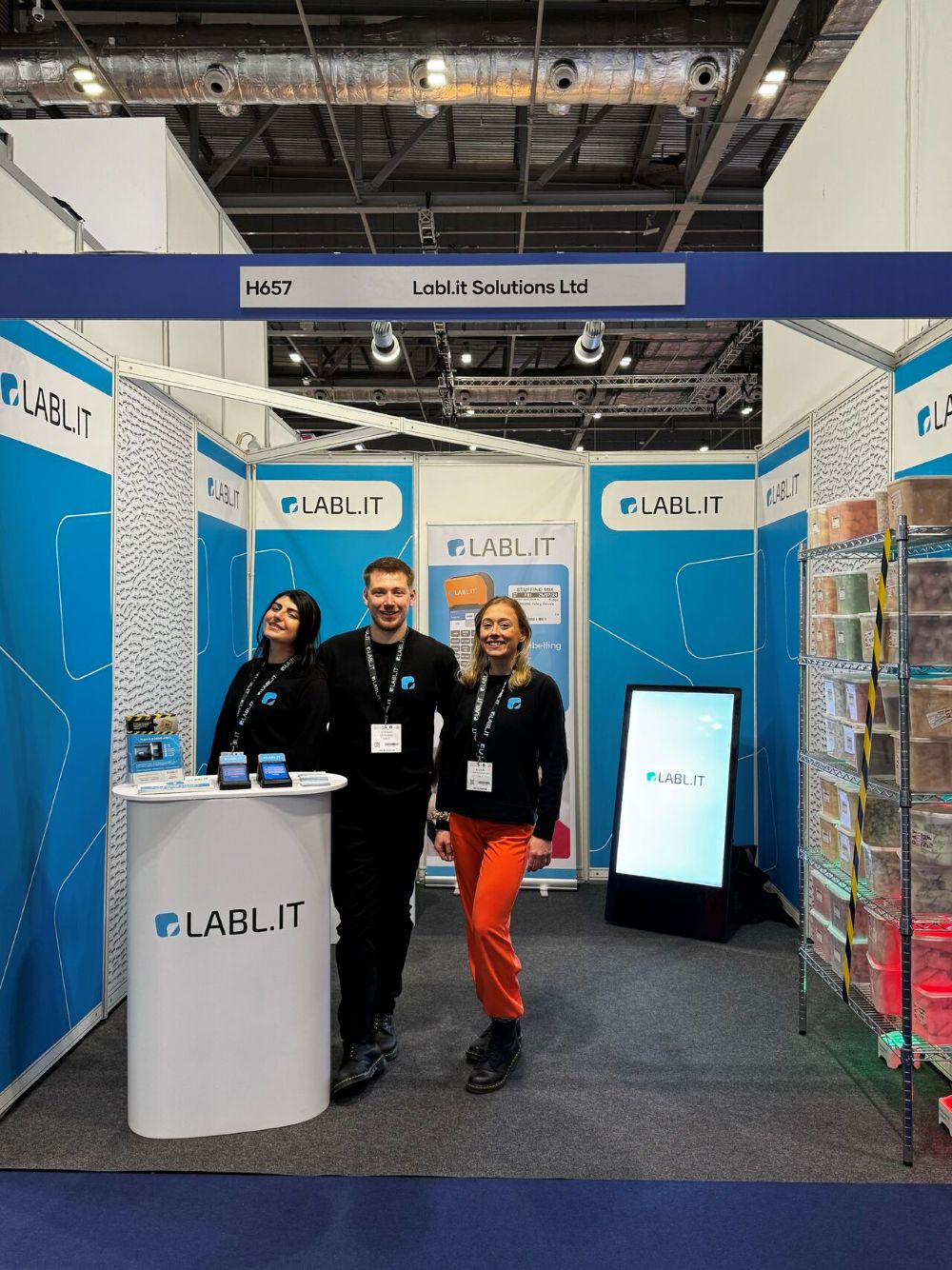
Her warmth and energy now fuel the company’s outreach, whether running demo stands at industry expos or crafting the brand’s voice and online presence. “I tell people, if you want to see your work have real impact, join a startup. It’s fast, it’s personal, and it’s fun.”
From Southampton to the Nation
Labl.It's value proposition is simple: no more handwritten food labels. Just smart, compliant, cloud-connected devices that save time and reduce risk.
Restaurants, NHS Trusts, school kitchens, and even Premier League clubs have signed on. The platform now supports major chains like Turtle Bay , Rick Stein Group , and Domino’s .
As Kyle explains, “The growth has been steady, not viral—and we’re okay with that. It means our product is grounded. People find us because they need us.”
They’ve never done cold calls. Instead, they rely on inbound marketing, SEO, events, and a lot of word-of-mouth from hygiene consultants and food safety auditors. The result? Over 2,000 units deployed and a reputation as one of the most practical innovations in hospitality tech.
Knowing What Not to Do
Part of Labl.It’s success has been knowing when to say no.
“In the early days, it’s tempting to chase every idea,” Sean admits. “But we had to stay grounded in our mission—labelling. Just do that well. Solve that one pain point completely.”
Even as new features like temperature monitoring are now being tested—replacing the traditional clipboard-and-pen fridge checks—everything stays true to the brand’s purpose: digitise what matters, simplify the rest.
This careful restraint hasn’t limited them—it’s empowered them to scale. And while they’ve got big plans to expand abroad and into adjacent kitchen systems, they’re doing it with the same lean mentality that got them here.
Lessons for the Next Generation
When asked what advice they’d give to young professionals or students considering entrepreneurship, the answers reflect their journey:
“You don’t need to start a company tomorrow,” says Sean. “But whatever you do, understand your industry. Know it like the back of your hand.”
“Work for a startup, even just for a year,” Kyle adds. “You’ll get exposure to everything—and that breadth is priceless.”
Aya rounds it out: “Take every opportunity. Say yes. And surround yourself with people who believe in building something meaningful.”
A Kitchen-Smart Future
Labl.It isn’t loud or flashy. But it is essential in kitchens across the UK, helping power safer food, cleaner processes, and calmer chefs.
It’s the kind of story SME Stories was made to tell—where experience meets innovation, where everyday problems spark extraordinary companies, and where three people in a Southampton restaurant decided that outdated label systems just weren’t good enough.