Finding His Course: How Sam Whitlock Discovered His Future at Marine Electronic Systems
Featuring: Marine Electronic Systems (MES), Totton, Southampton
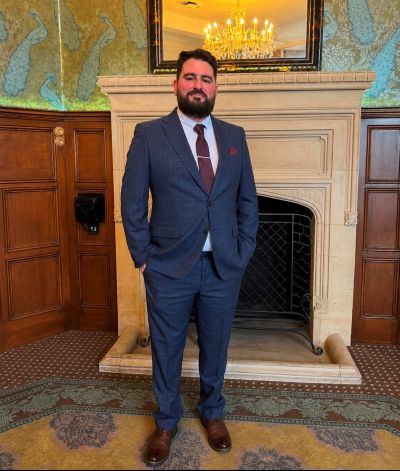
Sometimes the future arrives through careful planning. Sometimes it arrives because life quietly closes one door and unexpectedly opens another.
For Sam Whitlock, Director at Marine Electronic Systems (MES), joining the family business was never part of the plan. As a teenager, he had little interest in following previous generations into the company founded by his grandfather in 1977. Instead, he dreamed of a career in the Royal Navy.
Yet today, Sam helps lead one of the UK's most respected marine systems integrators, supplying sophisticated navigation and communication systems for naval vessels, offshore support ships and commercial marine operators around the world. Established in 1977, MES has built its reputation by integrating equipment from leading global manufacturers into complete marine systems tailored to demanding environments
His journey serves as a reminder that careers rarely follow straight lines—and sometimes the opportunities we least expect become the ones that define us.
"Within a couple of months, I found I just loved it. I wasn't expecting to, but I really enjoyed it."
Growing Up Around a Business—But Never Planning to Join It
Family businesses can be both a privilege and a burden. For Sam, MES was simply part of everyday life. Founded by his grandparents and later led by his father, the company was always there in the background. He admired what they had built and respected the people who worked there, but becoming part of it held little appeal.
Instead, his imagination was captured by the sea.
With a father who had served in the Merchant Navy during the Falklands conflict and a grandfather whose maritime career began aboard the historic training ship Arethusa, shipping and sailing were woven into family life. Weekends were spent on boats, and the Royal Navy seemed like the natural destination.
But life had other ideas.
A broken leg delayed his naval ambitions. Unsure what to do next, he enrolled to study History at the University of Winchester. After a year, however, the growing burden of tuition fees and uncertainty about his future led him to question whether university was the right investment.
"I loved history," he reflects, "but I didn't really know what I was going to do with the degree." Leaving university wasn't giving up—it was choosing clarity over drift.
A Series of Unexpected Turns
Like many young people during the late-2000s financial crisis, Sam's early career involved finding opportunities wherever they appeared.
He managed a village pub until the smoking ban and changing trading conditions forced the business to restructure. Suddenly unemployed, he accepted his father's offer to help redecorate MES's offices while searching for something permanent.
It was only meant to be temporary. After decorating came work in the warehouse packing equipment. Then came another unexpected twist.
A stomach operation left him unable to carry out physical work, just as one of the company's experienced salespeople retired unexpectedly to care for his wife.
His father simply moved him into the office. There was no grand succession plan. No carefully orchestrated leadership programme. Just a desk. And a chance.
Discovering the Right Fit
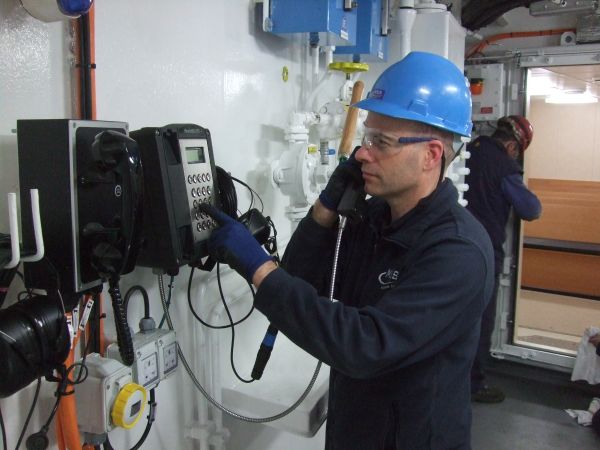
Something clicked almost immediately.
Marine electronics isn't an industry where customers can wait. Ships operate to unforgiving schedules, and equipment failures often demand immediate solutions.
Every phone call mattered. Every delivery was urgent. Every problem required calm thinking and practical action. "We need solutions now," Sam explains. "We've got problems. We need to fix these problems now."
Rather than seeing pressure, he found purpose. As he became more knowledgeable, his confidence grew. The faster pace, constant variety and satisfaction of solving real customer problems created something he'd never expected:
He genuinely loved coming to work.
Earning Respect, Not Expecting It
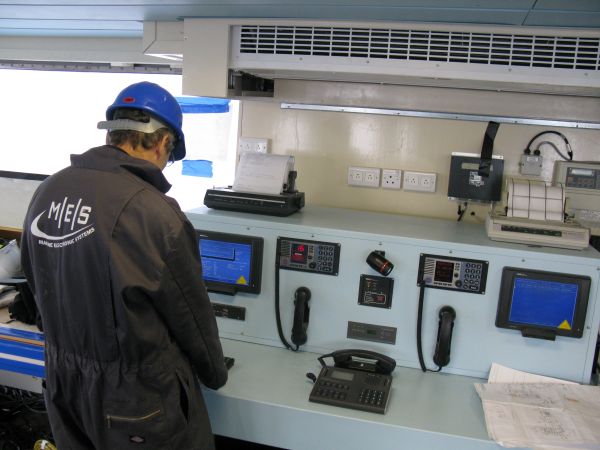
Joining a family business carries challenges that outsiders rarely see. However capable someone may be, colleagues inevitably wonder whether they've earned their position—or simply inherited it.
Sam understood that perception. Fortunately, MES had something many businesses would envy: extraordinary staff loyalty.
Several colleagues had worked there for more than twenty-five years. Some had known Sam since childhood, having worked alongside both his father and grandfather.
That familiarity helped, but it also meant expectations were high. "You just have to work hard and win people over," he says. Rather than relying on his surname, he focused on doing the job properly. The respect followed naturally.
Today the company still employs a remarkably stable workforce of around thirteen people, with many employees having devoted decades of their careers to the business. That continuity has become one of MES's greatest competitive strengths, preserving technical expertise and trusted customer relationships across generations.
A Family Business Built on Expertise
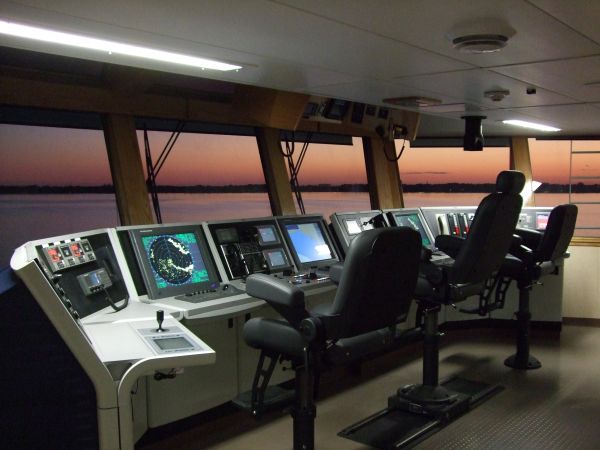
Since its founding in 1977, MES has carved out a specialist position within the global marine industry.
Rather than manufacturing equipment themselves, the company designs and integrates complete electronic systems using best-in-class technologies from leading manufacturers. Their work supports complex naval vessels, offshore support ships and commercial operators where reliability is critical.
It is highly technical work—but ultimately it is still about people. Shipowners need trusted advisers. Shipyards need experienced partners.
When vessels are delayed or equipment fails, customers need someone who answers the phone and solves problems quickly.
That culture of responsiveness is exactly what attracted Sam all those years ago.
Leadership Across Generations
The Whitlock family's story reflects one of the enduring strengths of many successful SMEs. Leadership is not simply inherited—it is earned over time. Sam's grandfather established the business. His father expanded and strengthened it.
Now Sam represents the third generation helping guide its future, having joined the board in 2019 as the next chapter of the company's evolution began.
Yet despite changes in technology and ownership, the values remain remarkably consistent: long-term relationships, technical excellence and looking after both customers and employees.
Lessons Learned
Looking back, Sam's career offers several valuable lessons for aspiring entrepreneurs and future business leaders:
- Career plans rarely unfold exactly as expected—and that's often a good thing.
- Temporary opportunities can become lifelong careers if approached with an open mind.
- In family businesses, credibility comes through contribution rather than entitlement.
- Enjoying your work creates momentum that no career plan can manufacture.
His story also challenges a common assumption about family firms. While outsiders often imagine succession as inevitable, Sam's experience was almost accidental. What kept him there wasn't obligation—it was discovering genuine enjoyment in solving meaningful problems alongside people he respected.
Looking Ahead
Nearly five decades after its founding, Marine Electronic Systems continues to support vessels operating around the world while remaining firmly rooted in Southampton's maritime community. Its longevity reflects the resilience that characterises many of the South's most successful SMEs: adapting to technological change without losing sight of the relationships that built the business in the first place.
For Sam, the biggest surprise wasn't ending up in the family business. It was discovering that the place he had once never imagined working became exactly where he was meant to be. Sometimes the best career journeys aren't carefully mapped.
Sometimes they simply begin with someone saying, "Come and help out for a few weeks."