Dr Nela Nikolic receives Springboard funding to develop approaches to tackle bacterial infections
.jpg)
Dr Nela Nikolic is one of 55 early career researchers across the UK to receive a share of £6.7 million from the Academy of Medical Sciences to support discovery-driven health research.
A Lecturer in Microbiology, Dr Nikolic is developing phage‑based approaches to tackle difficult‑to‑treat bacterial infections - a major challenge in modern medicine and a key driver of antibiotic treatment failure.
The funding, delivered through the Academy’s flagship Springboard programme , will support the establishment of her independent research programme and lay the groundwork for future translational studies in antimicrobial therapy.
Springboard offers a bespoke package of support to biomedical researchers at the start of their first independent post to help launch their research careers.
The awards support researchers to take their first steps as independent group leaders, testing bold ideas with the potential to improve lives, reduce health inequalities and strengthen the UK’s long-term research base.
Dr Nikolic said: “I am very happy to receive this Springboard award, which represents my first major grant as an independent group leader at Southampton.
“The funding allows me to establish my research in a biomedical context, applying fundamental and interdisciplinary research on bacterial resilience to the urgent challenge of treating infections that no longer respond to antibiotics and may become chronic.”
Many infections are hard to eliminate because bacteria can form biofilms - structured communities of cells encased in a protective matrix - or develop resistance to antibiotics. This is creating a growing global and UK public health challenge, driving relapse, chronic infection and increased pressure on healthcare systems.
Dr Nikolic’s research combines molecular microbiology, phage biology and single‑cell biology to understand how bacteria survive antimicrobial attack and how bacterial resilience can be overcome.
The work focuses on the use of bacteriophages - viruses that specifically infect bacteria - as precision tools to target hard‑to‑treat bacterial populations and uncover principles that can guide the development of new antimicrobial strategies.
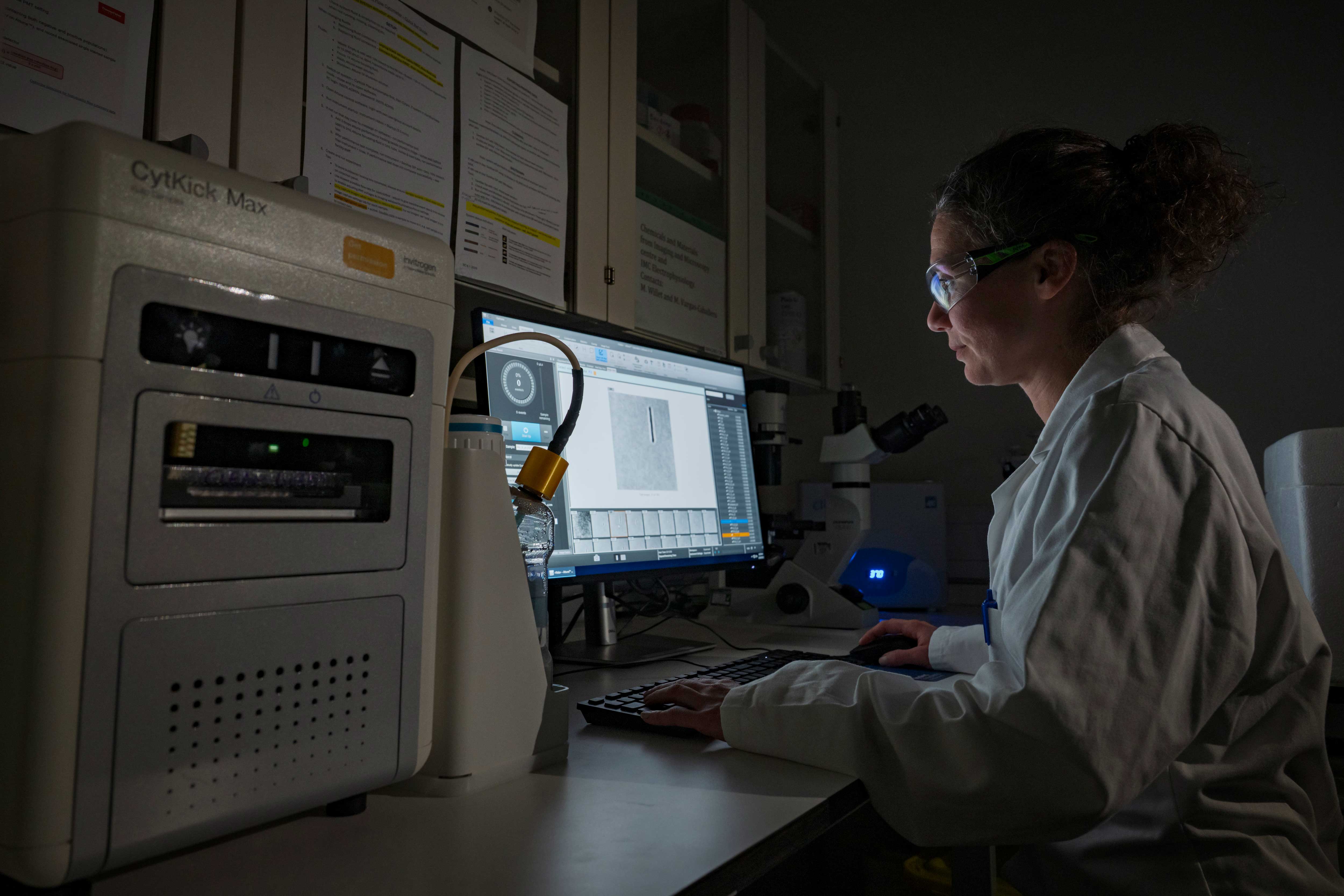
She said: “Using phages, viruses that specifically infect bacteria, this work aims to target hard‑to‑treat bacterial populations and generate the foundational knowledge needed to support new, effective therapies in the future.”
The Academy of Medical Sciences has awarded £6.7 million to 55 early career researchers at 38 institutions across the UK.
The Springboard grants support curiosity-driven, discovery-stage research - the foundational science that underpins future treatments and interventions. With support from the UK Government’s Department for Science, Innovation and Technology, Wellcome and the British Heart Foundation, this year’s awards span the full breadth of biomedical and health research.
Professor James Naismith FRS FRSE FMedSci, Vice President (Non-Clinical) at the Academy of Medical Sciences, said: “The transition to research leadership is one of the most challenging stages in a research career, yet it is also when creativity is often at its strongest. Springboard invests in people at the moment when bold ideas begin to take shape, providing the freedom, confidence and backing researchers need to strike out on their own and ask big questions.
“The projects announced today show the impact this approach can have – demonstrating how early support can translate into meaningful benefits for patients, communities and the wider health system.”