First patient diagnosed thanks to a trial to improve the early detection of pancreatic cancer
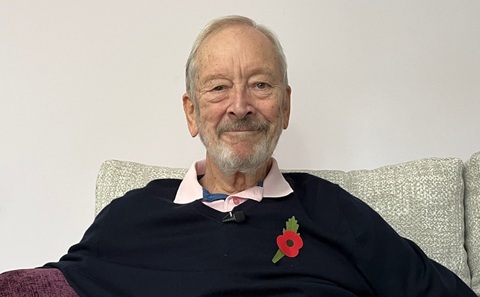
The first patient to be diagnosed with early-stage pancreatic cancer after taking part in a trial of a new screening test says research is hugely important to help improve survival.
Roger Meekley, 74, had surgery to remove the cancer and is now undergoing chemotherapy treatment which it’s hoped will mean many more years with his loved ones.
Roger was one of the 800 participants in the pilot phase of a study run by researchers at the Cancer Research UK Southampton Clinical Trials Unit and University Hospital Southampton.
The trial is testing how well a new blood test can spot the signals of pancreatic cancer at an early stage. The Avantect test, developed by a US biotechnology company ClearNote Health, uses blood samples from people with a recent diagnosis of type 2 diabetes, a known risk factor and potential sign of pancreatic cancer.
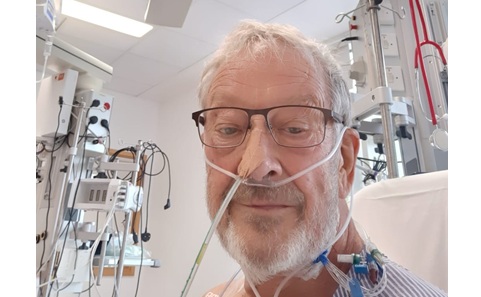
Grandfather Roger, a retired engineer from Botley in Hampshire, was diagnosed with type two diabetes in February this year, and shortly afterwards was invited to take part in the SAFE-D study.
“Knowing someone who had died from pancreatic cancer and how nasty it was and how quickly it spread, I volunteered for the study straight away,” says Roger. “I was invited along to have a blood test and that was sent off. I then got a phone call from the trial team to say they were very sorry, but my test had come back positive.”
Roger was sent for further investigations before an appointment with consultant surgeon and SAFE-D study lead, Mr Zaed Hamady, who gave him the news that he did have cancer.
“My first question was, ‘What if we do nothing?’ and Mr Hamady said I would have about six to 12 months. But his next words were ‘we can operate, I will get it sorted’, and that’s what you want to hear. That’s all I was interested in.”
Pancreatic cancer is the 10th most common cancer in the UK with around 11,500 people diagnosed each year*.
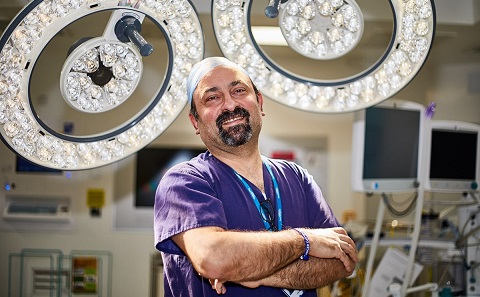
“Unfortunately, pancreatic cancer is not symptomatic in the early, curable stages and the symptoms can be vague and often put down to other things,” says Mr Hamady. “Most patients are therefore diagnosed at a late stage when the cancer has grown too large to be removed surgically. This means that survival rates are lower than for many other types of cancer.
“There are several known risk factors for pancreatic cancer, one of which is diabetes, a disease of the pancreatic cells that make the hormone insulin. In fact, people over 50 with newly diagnosed type 2 diabetes have a 1 in 100 risk of also being diagnosed with pancreatic cancer within three years of diabetes diagnosis.”
The SAFE-D study is therefore focusing on this patient group to trial the new DNA-based early detection blood test and see how well it is able to detect the cancer in its early stages.
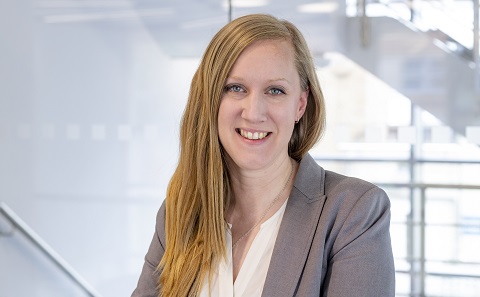
“Although most people with diabetes will not go on to develop the disease, this patient group gives us a way to test how accurate the new blood test is,” says Dr Victoria Goss, Head of Early Diagnosis Research at the Southampton Clinical Trials.
“The results from the test, together with medical information collected from each patient, will help provide researchers with important information on how well the test can predict pancreatic cancer.”
The pilot phase of the study, through which Roger was diagnosed, successfully recruited 800 people through GP surgeries and diabetic clinics over the past 18 months.
Dr Goss continues: “Although the results from the pilot phase were encouraging and helped Roger by diagnosing his cancer early, we still need more evidence that the test definitively works. We have recently launched the second, much larger phase of the study involving many more patients. This will give us further valuable information about the test to determine its accuracy and safety.”
A further 4,200 people will be recruited to the full study which is now underway and has already started recruiting participants across the UK.
And Roger is grateful that he said yes to taking part in the trial and that his cancer was caught early.
“Why would you rather not know that you had something. I know it is a challenging disease to cure, but I also know they can buy you time. And the amount of time they buy you depends on how early they catch it.”
“You can’t advance without trials. I’m an engineer and being involved in that process is hugely important, to drive it forward, to save people’s lives, and to help them live longer, it’s hugely important. For me, it’s all positive and that’s all down to the fact that they got it early and they can do something”
And supporting future research is something Roger and his family are now passionate about, with his daughter, Jo, recently securing a fundraising place in next year’s London Marathon.
“Having walked the length of the Isle of Wight in a day and cycled from London to Monaco in a week, I have a bit of a thing for taking on sporting challenges for charity,” says Jo. “This time, in a bid to make even a small difference in the fight against this devastating disease, I will be running the London Marathon as part of the team for Pancreatic Cancer UK, a charity dedicated to raising awareness of the disease, funding more desperately needed research in early detection and treatment, and providing vital support and information to patients and their families.
“Given that the furthest I’ve ever run is 7 miles, finding the other 19.2 is going to take some serious effort, but, with more passion than ever for the cause, I know I can get there. Too many people with pancreatic cancer have their stories cut far too short. My hope is that by raising awareness and much needed funds, other families will share our experience of having time to write more chapters together.”
Watch a video of Roger talking about being involved in the SAFE-D study