WorldPop marks decade of mapping humanity’s challenges with focus on future
Experts responsible for mapping earth’s population have highlighted that climate change, conflict and low birthrates are becoming the biggest challenges facing humanity.
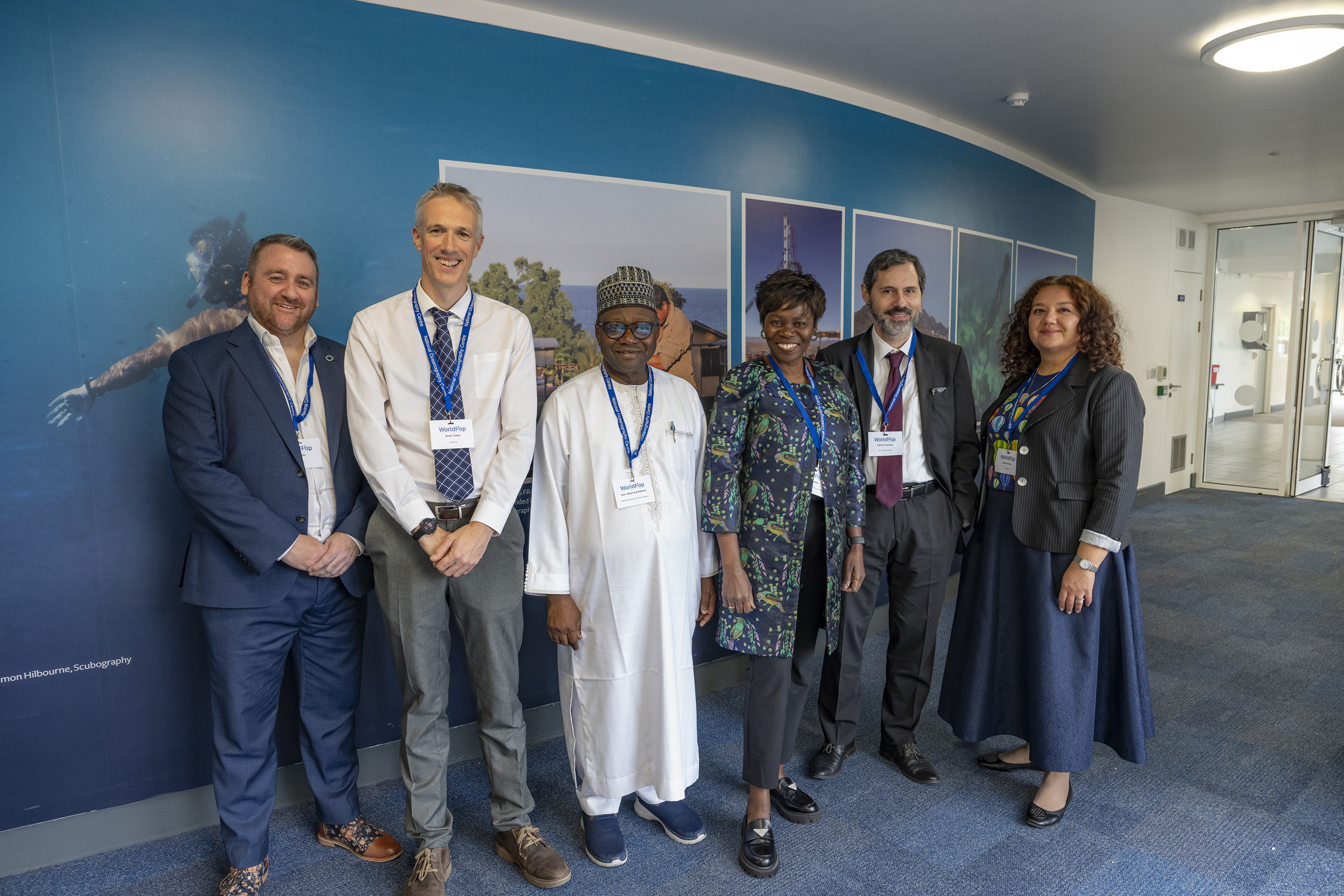
Several of the world’s top demographers joined scientists from WorldPop at a conference it organised in Southampton to mark its 10th anniversary.
Delegates from the UN, Meta and international governments , among others, joined the University research group to reflect on a decade of its groundbreaking work in mapping global populations.
WorldPop director Professor Andy Tatem emphasised the importance of population data in meeting future challenges.
He said: "Over the past decade, we've seen significant changes – declining birthrates, migration due to conflicts, and people moving from rural areas to cities. WorldPop has captured these changes through nearly 45,000 datasets, which are used by governments and organisations worldwide.”
WorldPop data has, in the last ten years, been used to deliver life-saving childhood vaccinations, model the spread of the COVID-19 pandemic and prepare for Brazil’s largest ever census. Its experts also aided in relief efforts during the 2021 earthquake in Turkey, and humanitarian responses in Ukraine following the 2022 invasion.
Dr Patrick Gerland, Chief of Population Estimates at the UN's Population Division, spoke at the conference to provide insights into global demographic trends.
He said: “The world’s population has been growing for a century – it’s expected to peak at 10.3billion by 2080 and then start to decline.
“But there’s not one story for the world – fertility is declining across earth and in at least half of the countries fertility rates are below replacement levels. Population growth in certain countries will be driven by migration, particularly in countries with low fertility.”
At the event, Prof Tatem also revealed that the WorldPop team will now look at mapping future population scenarios up to 2100.
This, he said, will be named FuturePop and will investigate the likely population and migration changes caused, in part, by climate change.
Professor Jane Falkingham , an expert of demography and international social policy at the University, opened the conference.
She spoke about the role of WorldPop across the coming decade as the world faces challenges presented by climate change.
Prof Falkingham said: “Demographers across the world need to work together. We are approaching a climate tipping point – and WorldPop has a real role to play in understanding how we can mitigate that.”
Delegates also took full advantage of the opportunities to learn about WorldPop's activities during the poster and demo sessions, run by the members of group.
These showcased research, methods, applications, new tools, datasets and impact case studies, while and a new WorldPop AI Assistant drew widespread interest and interaction.
See the posters or read more about WorldPop at www.worldpop.org .