Our students – Maddie Walch
Content warning: this article discusses the experiences of Holocaust victims
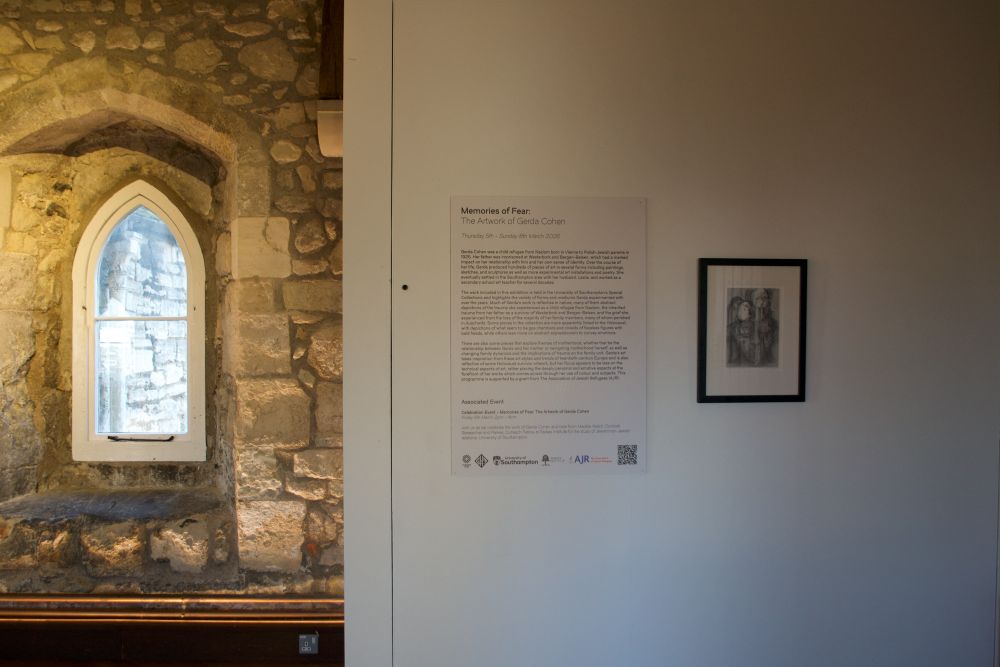
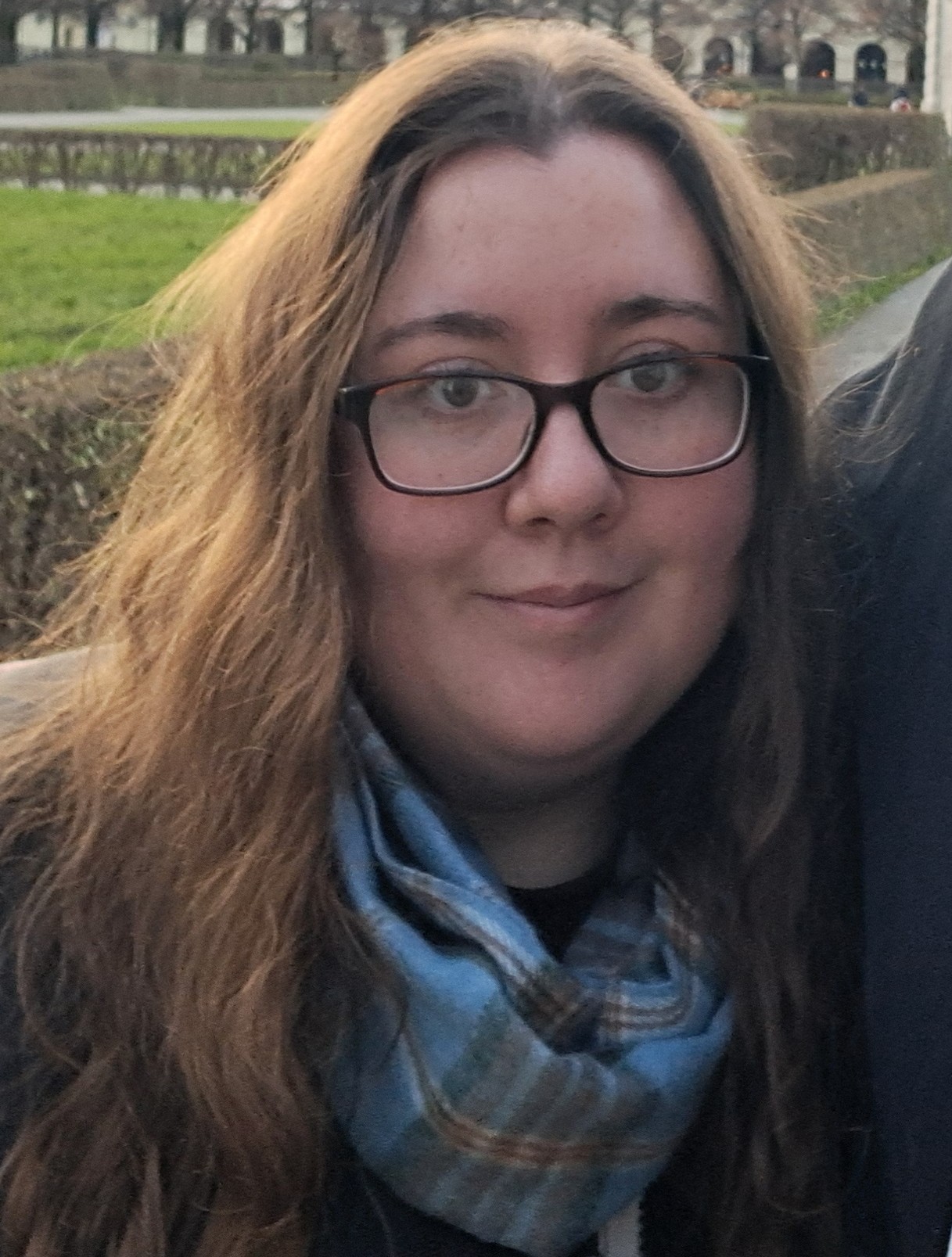
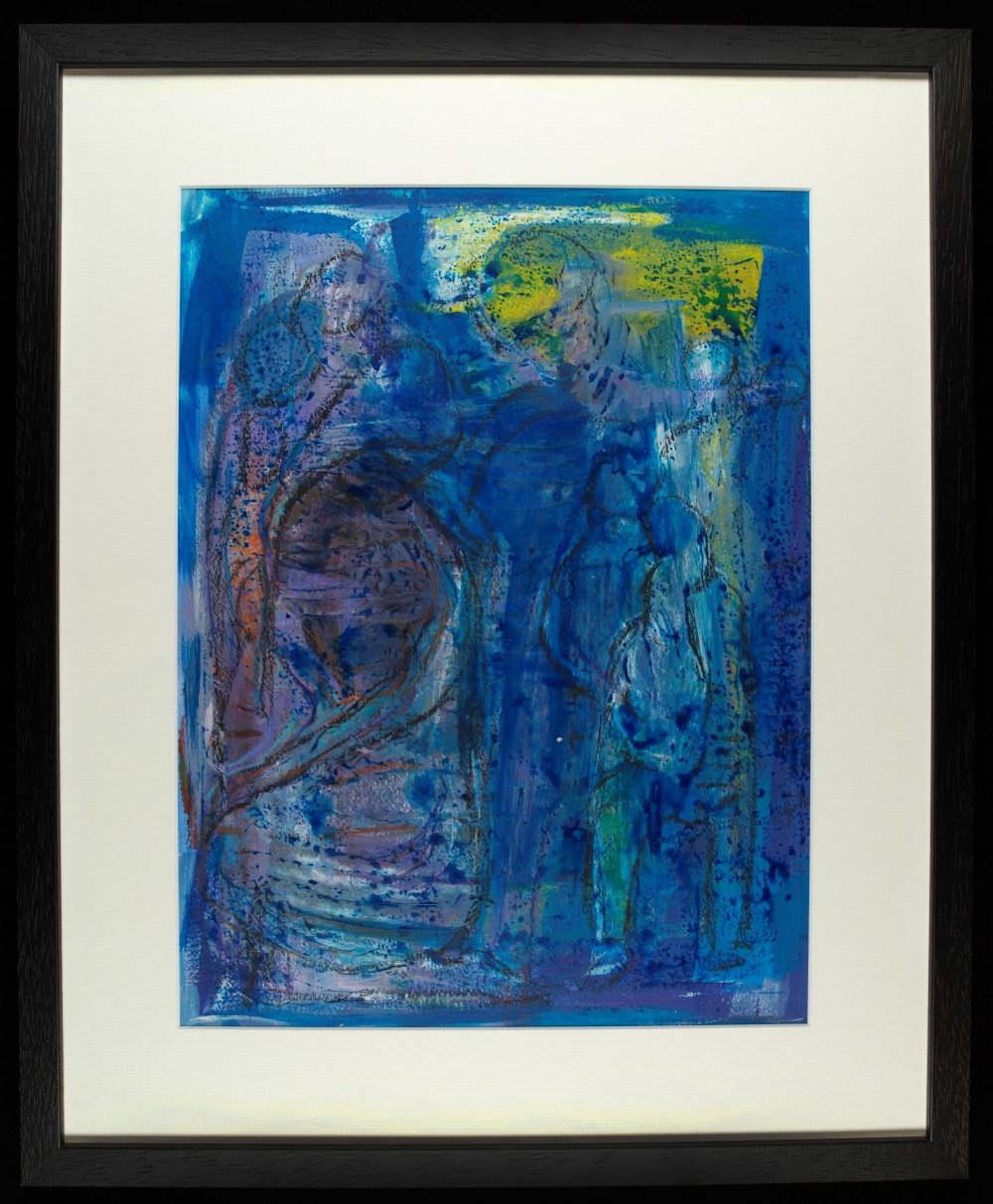
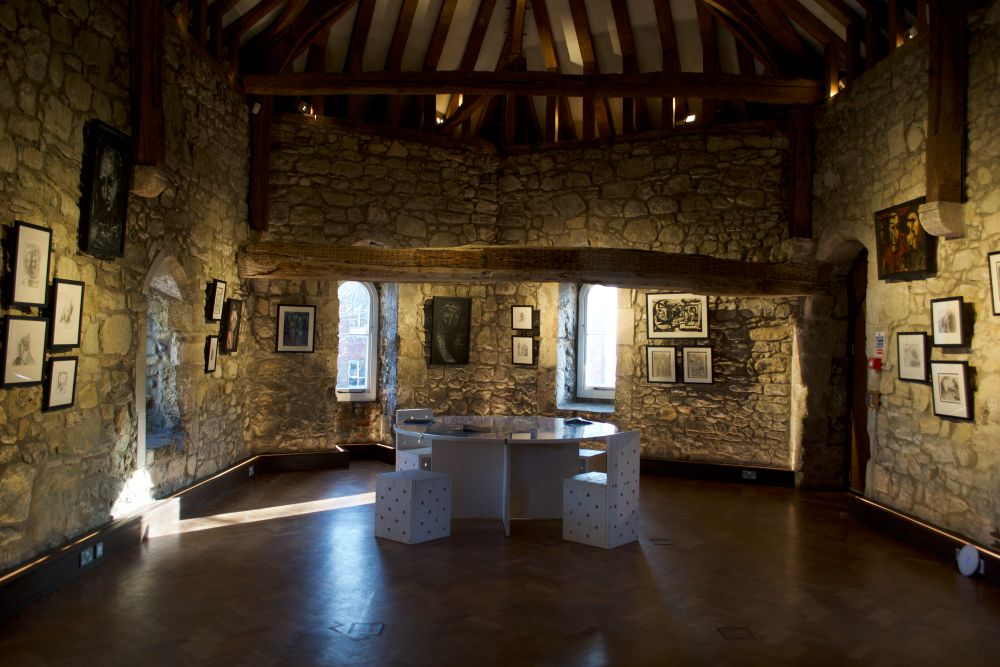
Maddie Walch is a second-year PGR in History and the Parkes Institute for the study of Jewish/non-Jewish relations. Maddie recently curated Memories of Fear: The Artwork of Gerda Cohen, a public exhibition at God’s House Tower. The display brought together sketches, paintings and poetry by Holocaust survivor and former Southampton resident Gerda Cohen, whose work reflects themes of displacement, trauma and identity.
Maddie’s academic journey
Maddie is undertaking doctoral research within the Parkes Institute. Her thesis, Masculinities of ‘Grey Zone’ Prisoners During the Holocaust, explores the experiences of Jewish men in prisoner-functionary roles within extermination camps during the Holocaust. These included medical professionals and members of the Sonderkommando, which involved a variety of roles such as sorting belongings of those deported to the camps and cutting their hair as well as roles connected to the gas chambers and crematoria such as moving the bodies of those who had been murdered or operating furnaces. Using survivor testimonies, it examines their personal and emotional experiences and the ways in which these impacted their masculinities.
Maddie’s academic path has unfolded entirely at Southampton, first through a BA in History and then an MA in Holocaust Studies, during which she developed a strong interest in Holocaust testimony, gender, emotion, and the creative arts. Her MA dissertation, Surviving Survival: The Life and Works of Eugene Heimler, used materials held in the University’s Special Collections and sparked a deeper fascination with how survivors use creative expression to process traumatic memory: an interest that continues to influence her work today.
Showcasing the art of Holocaust survivor Gerda Cohen
Gerda Cohen (1925–2018) was born in Vienna to Polish‑Jewish parents and fled Nazism as a child refugee. She came to England with her mother at age 12, while her father escaped to the Netherlands before being imprisoned in Westerbork and Bergen‑Belsen. He survived and was reunited with his family in 1946, but the trauma of separation and the loss of extended family members murdered in Auschwitz shaped much of Cohen’s later artistic work.
After studying at Cardiff School of Art, Cohen moved to Southampton with her husband, mathematician Leslie Cohen. Alongside raising four children, she built an extensive body of creative work – sketches, paintings, sculptures, and poetry – and exhibited across the region, including at the University in the early 1960s. She later spent her final years in New Zealand, continuing to create art until her death in 2018.
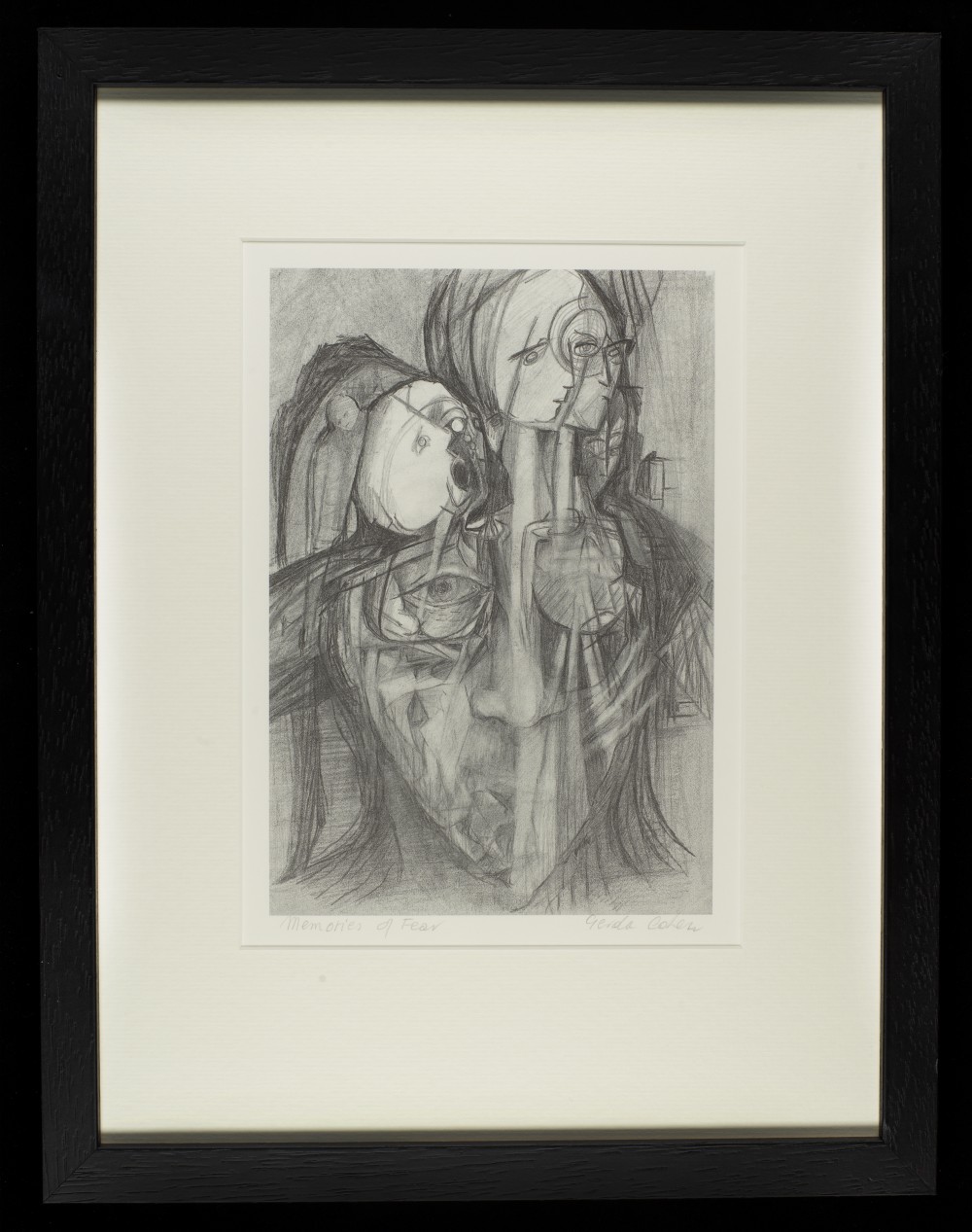
The exhibition title Memories of Fear was inspired by the title of one of Gerda’s sketches and her poem Memories of Fear Rushed Back. The works selected for the exhibition span decades and artistic styles, unified by recurring themes of memory, trauma, and identity. Two of Cohen’s poems were incorporated into the exhibition materials to further contextualise her creative practice.
Curating a first exhibition
Supported by grants from The Association of Jewish Refugees and the Faculty of Arts and Humanities, the project marks Maddie’s first curatorial experience. Forming part of Maddie’s Parkes Outreach Fellowship, built on her doctoral research into Holocaust testimony, gender, and creative expression. Supported by Special Collections and the team at God’s House Tower, the exhibition ran from 5 to 8 March and drew strong engagement from visitors, including members of Gerda’s family.
Maddie said: “Having had no previous experience in curating and organising an exhibition, working on this project has been an invaluable opportunity for my professional development. I have learnt so much from the Special Collections team about artistic mediums, materials, and ethical considerations for curation in the field. I also must thank the ‘a space’ arts team at God’s House Tower who were a huge help in organising the exhibition and also taught me so much about the practical side of things with the installation and promoting the exhibition to the wider public.
“It was an honour to meet Gerda’s granddaughter, Eva, and great-granddaughter, Greta, who travelled down to Southampton to visit the exhibition and said that they were very moved to see the artwork on display. Members of the public at both the launch event and over the rest of the weekend described the exhibition as ‘powerful’ and ‘thought-provoking’ and were particularly interested to learn more about Gerda’s personal experience of displacement and her poetry which was included in the exhibition programme to accompany the artwork.”
What’s next
Building on the success of the physical exhibition, Maddie is now developing a digital version of Memories of Fear, supported by a grant from the Association of Jewish Refugees. The digital launch will take place later this year.
Maddie also intends to use the material in future outreach sessions and student workshops, enabling learners to engage directly with the artwork as part of discussions on Holocaust testimony, curation, and survivor communities.
Maddie said: “I also hope to continue to research survivor experience and its connection to the production of creative arts and outlets which may result in other research outputs further down the line.”
This PDF version of the exhibition programme contains more information on the exhibition, including the poetry referenced above.