Dr Emma Boxley: Medicine, Mental Health and Living with a Rare Disease
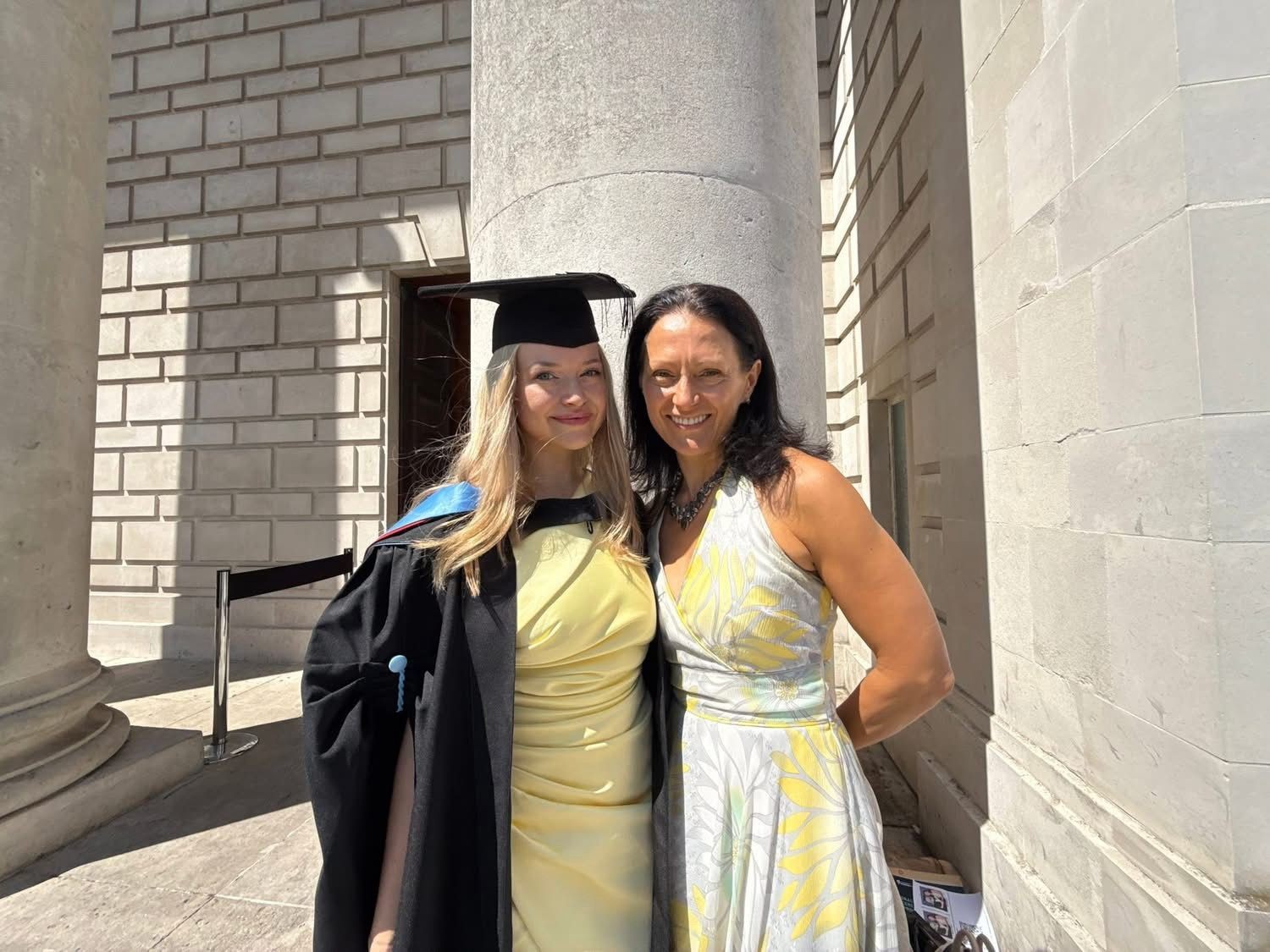
A University of Southampton alumna, Dr Emma Boxley now works part‑time as a doctor in London while also pursuing global health research with University College London (UCL). Alongside her studies and early career, she co‑founded a national mental health charity for medical students.
For Rare Disease Day, we spoke to Emma about her journey from medical student to doctor, researcher and advocate, and how her own experience of chronic illness continues to shape the way she practises medicine.
Life at Medical School
“I really enjoyed my medical degree,” Emma reflects. “Being a doctor doesn’t just require memorising lots of things, you have to hone your communication skills and practical skills. There are so many facets you need to concentrate on simultaneously.”
“Being in Southampton also gave me a lot of opportunities outside medicine itself,” she adds.
Alongside her clinical training, Emma immersed herself in extracurricular activities. She joined an incubator programme and became involved with Enactus, helping to develop a social enterprise that brewed beer from surplus stale bread – a product that eventually made its way onto the shelves of Stags, the Students’ Union pub.
“Taking on different extracurricular roles really supported my development overall, outside of being a doctor,” she says.
Championing Mental Health in Medicine
While still a student, Emma co-founded Mind Health for Medical Students , now a five-year-old charity supporting medical student wellbeing. She continues to serve as a trustee and Chief Operating Officer.
The idea emerged from her own research, recently published in the Journal of Occupational Health , which revealed stark trends.
“My research showed that mental health is much worse in doctors, and wellbeing tests as being worse as well,” Emma explains. “People often start university with similar mental health levels, but for medical students it gets worse during their degree and continues to get worse afterwards compared to the average population.”
Motivated to act, Emma applied for a scholarship with the Healthcare Leadership Academy, where she developed an idea inspired by the ‘Humans of New York’ photo series. Through the academy, she connected with four like ‑ minded individuals, and the project soon evolved into a formal charity with a team of volunteers.
“We are contracted by medical schools to run wellbeing workshops and give talks,” she says, “and last year we held our first in ‑ person conference in Birmingham. ”
Building a Dual Career in Medicine and Research
Emma now splits her time between clinical work – working 60% as a doctor in London – and global health research at UCL, collaborating with colleagues in New York, Singapore and Helsinki.
Her work focuses on how social determinants of health – the non ‑ medical factors affecting people ’ s lives – influence cardiovascular health across different global contexts. “ We're researching how socioeconomic status, migration status, language, housing barriers and more all affect cardiovascular health. ”
Her team combines data-driven and qualitative approaches.
“We work with quantitative teams who use machine learning to analyse electronic health records and identify clusters of vulnerable people,” Emma explains. “Then we carry out interviews and roundtables to understand the lived experiences behind those risks – why people might not engage with healthcare, for example.”
By working with organisations developing screening programmes and health initiatives, Emma’s team seeks to ensure interventions genuinely reach and benefit the communities most at risk.
Living with Ehlers-Danlos Syndrome
Alongside her professional life, Emma lives with Ehlers-Danlos Syndrome, a rare condition that affects connective tissue and can cause chronic pain, joint instability and fatigue.
“I grew up with chronic pain which affected me a lot when I was young,” she shares. “It’s difficult when you have issues that are harder for others to fully understand, which can lead to difficulties in diagnosis.”
Emma’s experience with Ehlers-Danlos Syndrome has also shaped her approach as a clinician.
“I think it has made me more compassionate towards my patients, and helped me understand when people have chronic conditions or are struggling.”
She adds: “There’s not a lot of education around Ehlers-Danlos Syndrome or other chronic conditions, so many doctors don’t know much about it. It’s useful to be that voice in the room for my patients.”