Major trial to discover the most effective treatment for severe asthma attacks in children
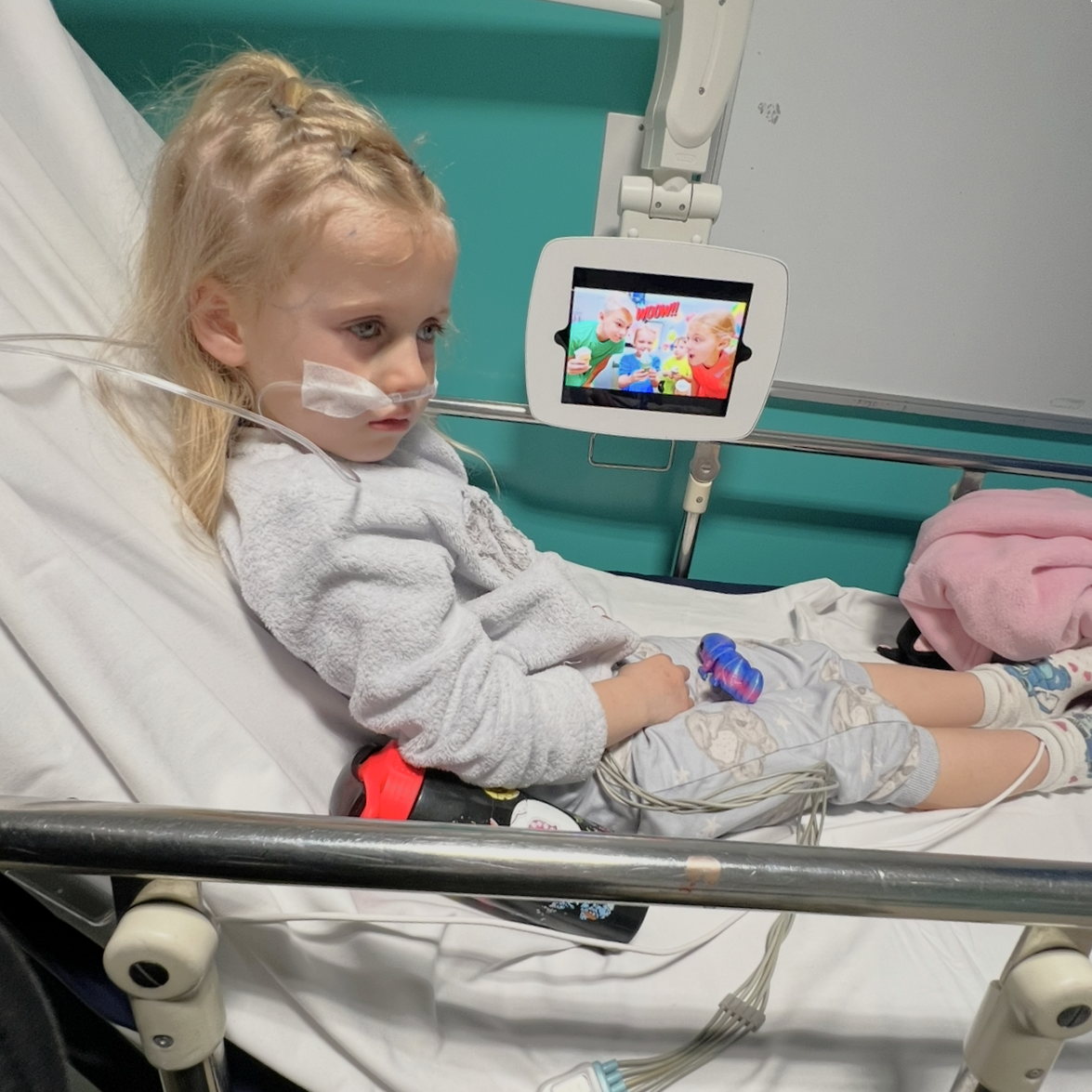
A multi-million pound clinical trial co-led by the University of Southampton is exploring treatment for childhood asthma attacks.
The study has received £2.3 million in funding from the National Institute for Health and Care Research (NIHR). It is co-led by experts from Southampton’s university-hospital partnership together with University Hospitals of Leicester NHS Trust.
When a child or young person experiences a severe asthma attack, they are admitted to hospital and treated with medication. Clinicians currently use one of three medicines – aminophylline, magnesium sulphate, or salbutamol – which work by relaxing the muscles in the airways and improving airflow.
As part of the study, children and young people admitted to hospital with severe asthma are randomly allocated to receive one of these three established treatments. Research teams then monitor how quickly their symptoms improve.
They also collect information on length of hospital stay, side effects, and treatment costs, as well as how acceptable each treatment is to patients, families and healthcare professionals.
Professor Graham Roberts, Professor of Paediatric Allergy and Respiratory Medicine at the University of Southampton, Honorary Consultant Paediatrician at UHS, and EVITA Co-lead, said: “Getting treatments right for children with severe asthma attacks is absolutely critical. These episodes can be life threatening and require urgent, effective care.
“The EVITA trial will help ensure we use the treatment that works best and is most acceptable to children and families.”
Dr Katrina Cathie, Consultant Paediatrician at Southampton Children's Hospital, Associate Director for Paediatrics at the NIHR Southampton Clinical Research Facility, and trial Co-lead, said: “At the moment, doctors have three options but very little evidence to guide which one works best for each child, leading to variation in practice across the UK and around the globe.
“The evidence collected in this trial should shape future clinical guidelines so patients with severe asthma attacks receive the best possible care.”
Asthma affects around 1 in 11 children and young people in the UK, making it the most common long-term condition in this age group. Severe acute asthma is a potentially life-threatening condition that occurs when symptoms do not respond to standard inhaled reliever medication. It remains a leading cause of childhood hospital admissions nationwide.
Finding out which medicine is most effective in treating severe asthma attacks will help reduce the time that children and young people spend in hospital. It will also enable clinical teams to deliver faster, more targeted care, ensuring patients receive the most appropriate treatment with the fewest possible side effects and the best value for money for the NHS.
Overall, the study aims to recruit 357 children and young people aged 2 to 18 years from hospitals across the UK. Sites currently include Southampton, Leicester, Liverpool and Edinburgh, with further hospitals expected to join. The study is being coordinated by the Centre for Trials Research, funded by Health and Care Research Wales, hosted by Cardiff University, and the Liverpool Clinical Trials Centre.
Professor Damian Roland, Paediatric Emergency Medicine Consultant at the University Hospitals of Leicester NHS Trust and Co-lead for the EVITA trial, said: “This study will provide answers to an important question for children, families and healthcare professionals. When we spoke to children and their families before we began the study, they told us that their child feeling better and looking well was the most important outcome. We have taken great care to design this study with this specific approach in mind.
“We hope that our results will help to standardise asthma treatment in the UK, ensuring that children and young people receive the fastest, most appropriate and best possible care.”
Learn more about the study at: http://www.evita.org.uk .