Samantha Ege Impact Projects feature in BBC Music Magazine
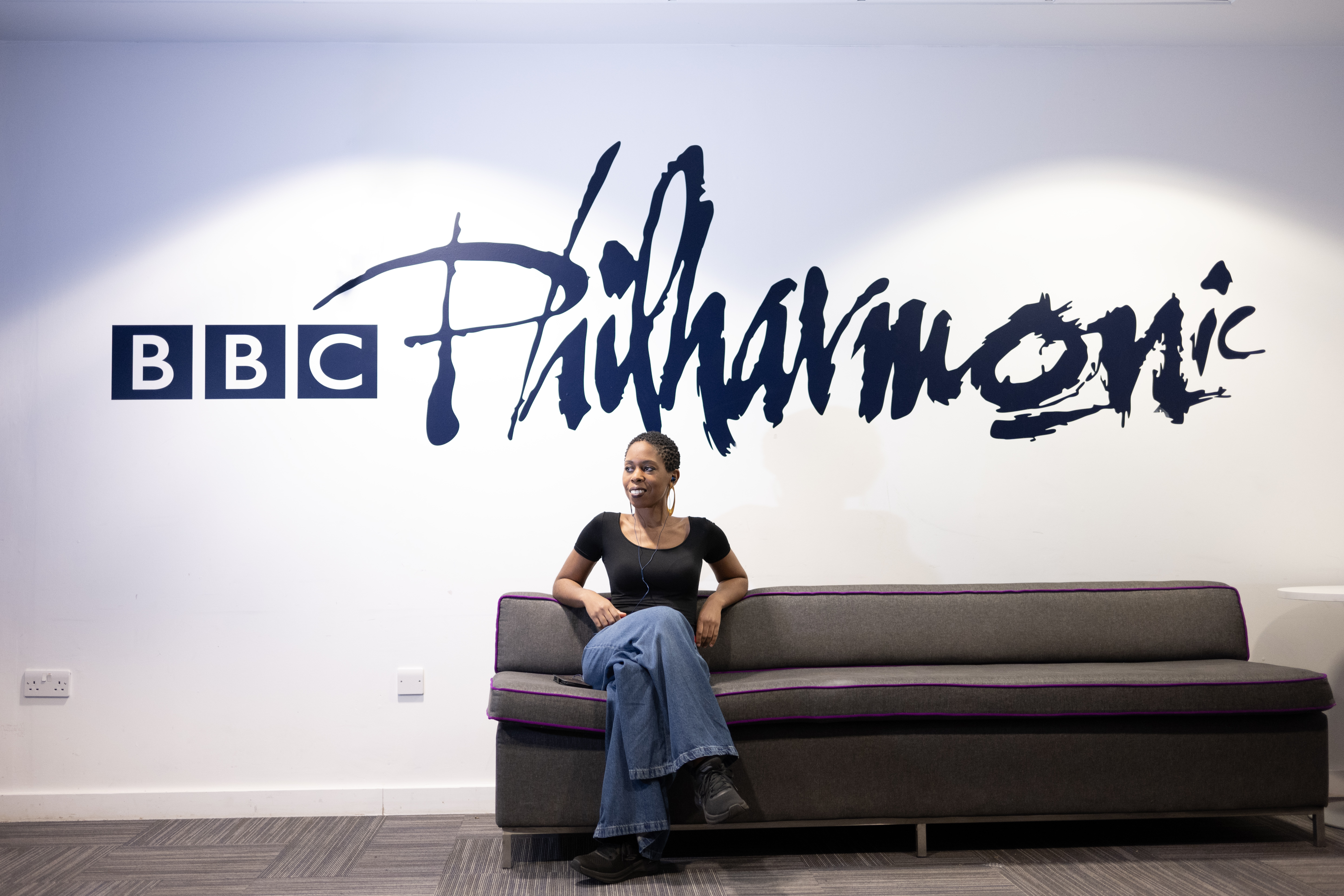
As a musicologist who performs, I often think of research as my passion and piano as my superpower. I write about underrepresented voices in classical music, with my latest book South Side Impresarios: How Race Women Transformed Chicago’s Classical Music Scene being an important culmination of my award-winning research on historical Black women in classical music. But when I bring the history to life through performance, I am able to reach even greater audiences — especially those who might have grown up with a sense that classical music is not for them. This is why I think of playing the piano as a superpower. The reach, impact, and engagement I have as a pianist is unlike anything my academic work could accomplish alone.
Bridging musicology and performance, I received an AHRC IAA award in 2023 for a large-scale project to recover the music of the mid-20th-century US composer Julia Perry. As a Black queer woman who lived with disability, her work faded into obscurity upon her death due to systemic barriers, despite her earlier successes. My goal was not only to make the world premiere recording of her only surviving piano concerto, but to push myself to engage in projects on a bigger scale. It's one thing to play as a
soloist, but to engage a whole orchestra in championing underrepresented narratives in classical music is to enact sociocultural transformations on a completely different level.
While working on my Perry project with the conductor Odaline de la Martinez (the first woman to ever conduct a BBC Prom), my thoughts returned to an underrepresented composer much closer to home — the British born Avril Coleridge-Taylor, daughter of Sierra Leonean-English Samuel Coleridge-Taylor who was one of the most famous composers of his time but died in poverty. I spoke with Avril's biographer Leah Broad about my hopes to champion her music. Leah then introduced me to conductor John Andrews who has worked with all the major orchestras in the UK.
Feeling confident about how my 2023 IAA project had created a solid foundation for impact projects on a larger scale, I went back to the IAA award seeking funding to recover Avril Coleridge- Taylor's music with John Andrews and the BBC Philharmonic. My application was rejected. One concern was that it didn't seem I had a strong enough commitment from the BBC. (Well, the recording sessions were already in BBC Philharmonic's calendar, so that would have been a surprise to me!) Another concern was the question of whether performance is really a form of impact. It was a reminder that, on the one hand, the value of music and the arts in our society continues to be underestimated, but on the other, I need to ensure that my work resonates with panels beyond my field. Still, my belief in this project wasn't shaken. And I was thankful when Helen Spurling recognized the potential of
this project too and gave it her full support.
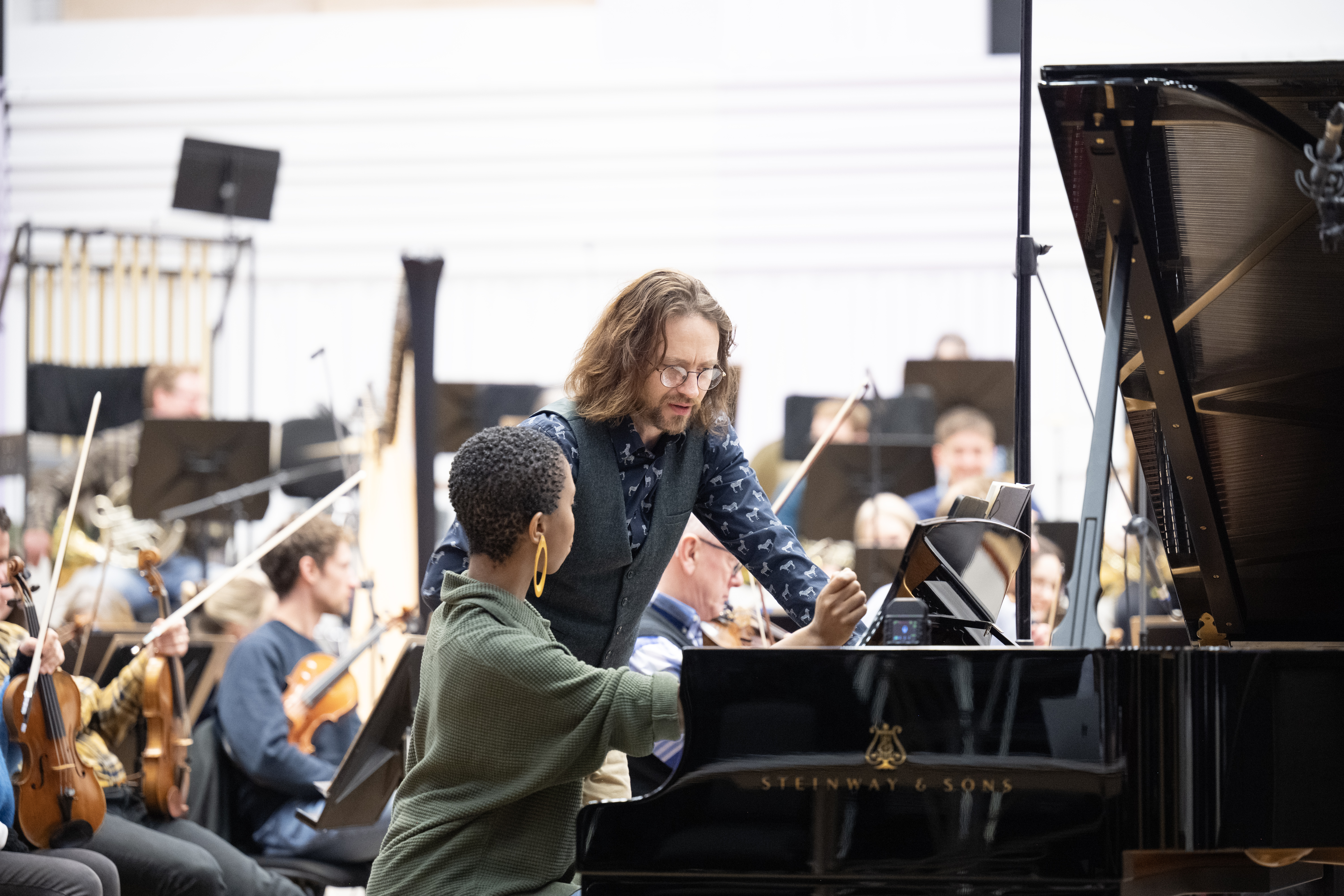
On new year's day, I headed to the BBC studios in MediaCityUK to make the world premiere recording of Avril's 1938 Piano Concerto with John and the BBC Philharmonic. The music celebrated Avril's diverse Britishness, from the influence of Edward Elgar to her own father. During the 1940s, she even enjoyed a string of successful performances of the concerto in the UK. However, more complex stories of identity, imperialism and post colonialism are embroiled in the music, its performance history, and its reception. To take only one dramatic example, Avril was invited to perform the work in apartheid South Africa but once her African heritage was revealed, performances of her music were cancelled, and she was excluded from the country. My recording, and the larger project of which it is a part, addresses these forces at work in Avril's musical world as well as her achievements as a composer and performer.
One of the reasons she went to South Africa was because the BBC did not take her seriously as a woman in classical music. And so, to work with a major BBC orchestra, and to see both my IAA project on Julia Perry and my newest project on Avril Coleridge-Taylor featured in the latest issue of BBC Music Magazine , was very affirming. Narratives are changing. New voices are being heard in the old traditions. And, perhaps because of these foundations that I am building with my incredible collaborators to ensure underrepresented composers are not forgotten again, the next generation of researchers and creatives
will see themselves reflected and feel empowered to engage their passions and superpowers too.
Words: Samantha Ege, Senior Research Fellow, Music
Photo credit: Jason Dodd