‘Gaybourhoods’ boost LGB voter turnout
Living near other lesbian, gay, and bisexual (LGB) people makes LGB people significantly more likely to vote, according to new research published in the Journal of Politics.
When the share of LGB residents in a neighbourhood increases by just one percentage point, LGB residents become 1.56 percentage points more likely to vote compared to heterosexual neighbours, according to the study.
The research was conducted in Sweden, where voter turnout already exceeds 84 per cent, making small increases significant.
But the findings might interest political candidates ahead of the May local elections, especially in areas like Brighton, Manchester and London which have substantial LGBTQ+ communities.
The study, conducted by researchers at the University of Southampton in the UK and Uppsala University in Sweden, tracked the real voting records of over 20,000 LGB individuals and nearly eight million heterosexual peers across four Swedish parliamentary elections spanning almost three decades (1994–2022). It totals over 17.6 million person-election observations.
“We’ve known for a while that LGB (and TQ+) people are more likely to vote than the rest of the population,” says Dr Stuart Turnbull-Dugarte, Associate Professor at the University of Southampton.
“We knew less about why. This is the first study that asks if living around other people who share your LGBTQ+ identity can mobilise you to participate in elections.”
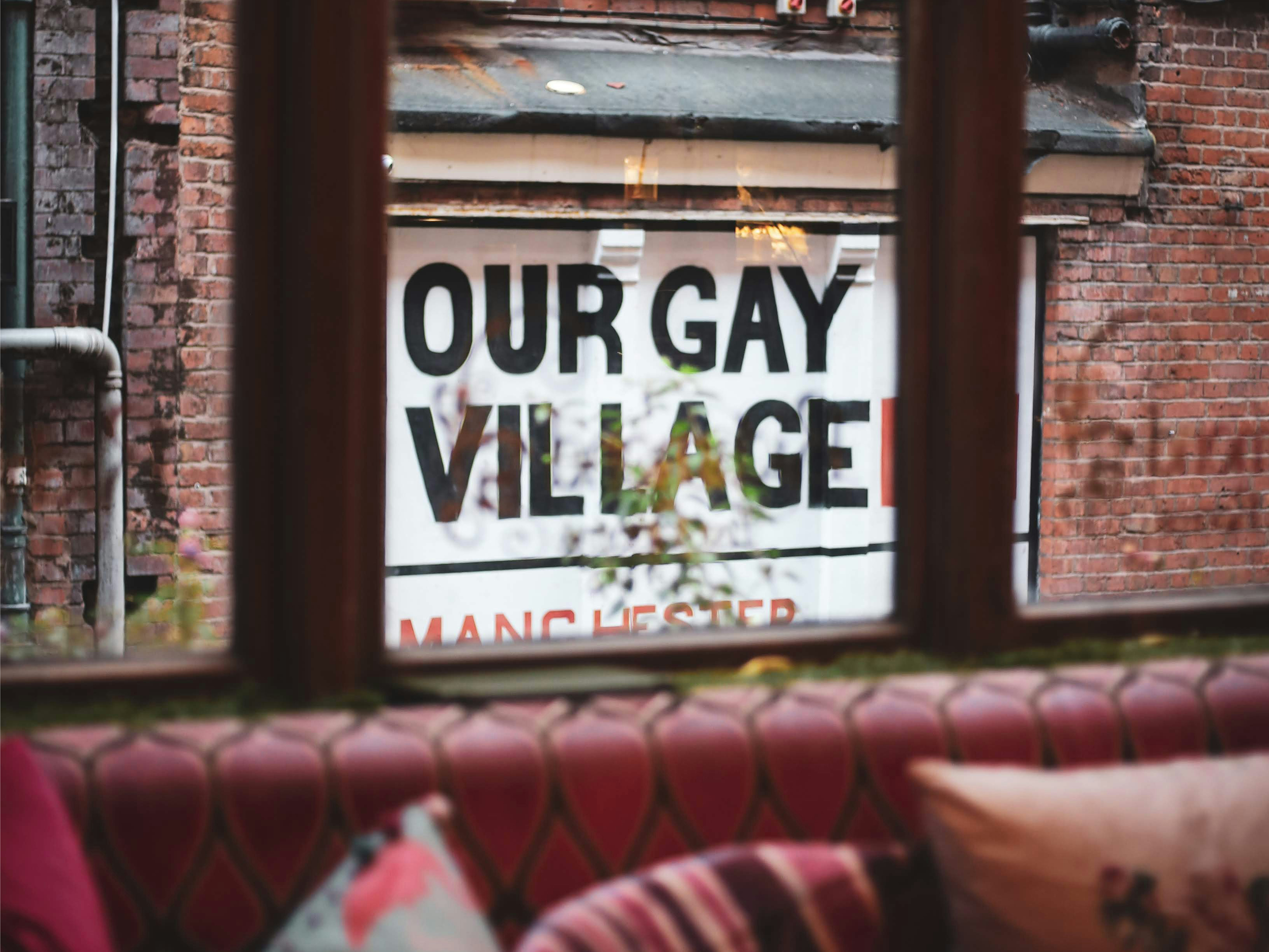
The findings suggest that minority groups living in the same neighbourhoods, like so-called ‘gay villages’, can act be a powerful driver of democratic engagement.
Sweden’s comprehensive population registers allowed the researchers to identify LGB individuals through records of same-sex partnerships and parenthood, creating an unprecedented dataset far larger than any survey-based study of LGB political behaviour.
For each individual, the team used precise location data to measure how many of their nearest one thousand neighbours were also LGB.
Researchers then tracked whether changes in this local LGB presence, driven by people moving in or out of neighbourhoods, were associated with changes in actual, verified voter turnout. This was compared with information from heterosexual individuals using equivalent datasets.
“Our design allows us to rule out the possibility that we’re simply picking up the effect of LGB people living in ‘nicer’ neighbourhoods,” explains Dr Michal Grahn, Associate Professor at Uppsala University. “The mobilisation effect is specifically about living near others from the same social group.”
Dr Turnbull-Dugarte added: “In an era when so much of our social and political life has moved online, this study is a reminder that geography still matters. Where you live, and who you live near, shapes whether you show up at the ballot box.
“For minority communities like the LGBTQ+ community, the ‘gaybourhood’ remains a vital space for political empowerment.”
The research project was funded by the Swedish Research Council.
The paper “ Rallied by thy neighbor: how minority spatial concentration increases voter turnout ” is published in the Journal of Politics and is available online.