Next phase of pioneering Southampton institute brought to life
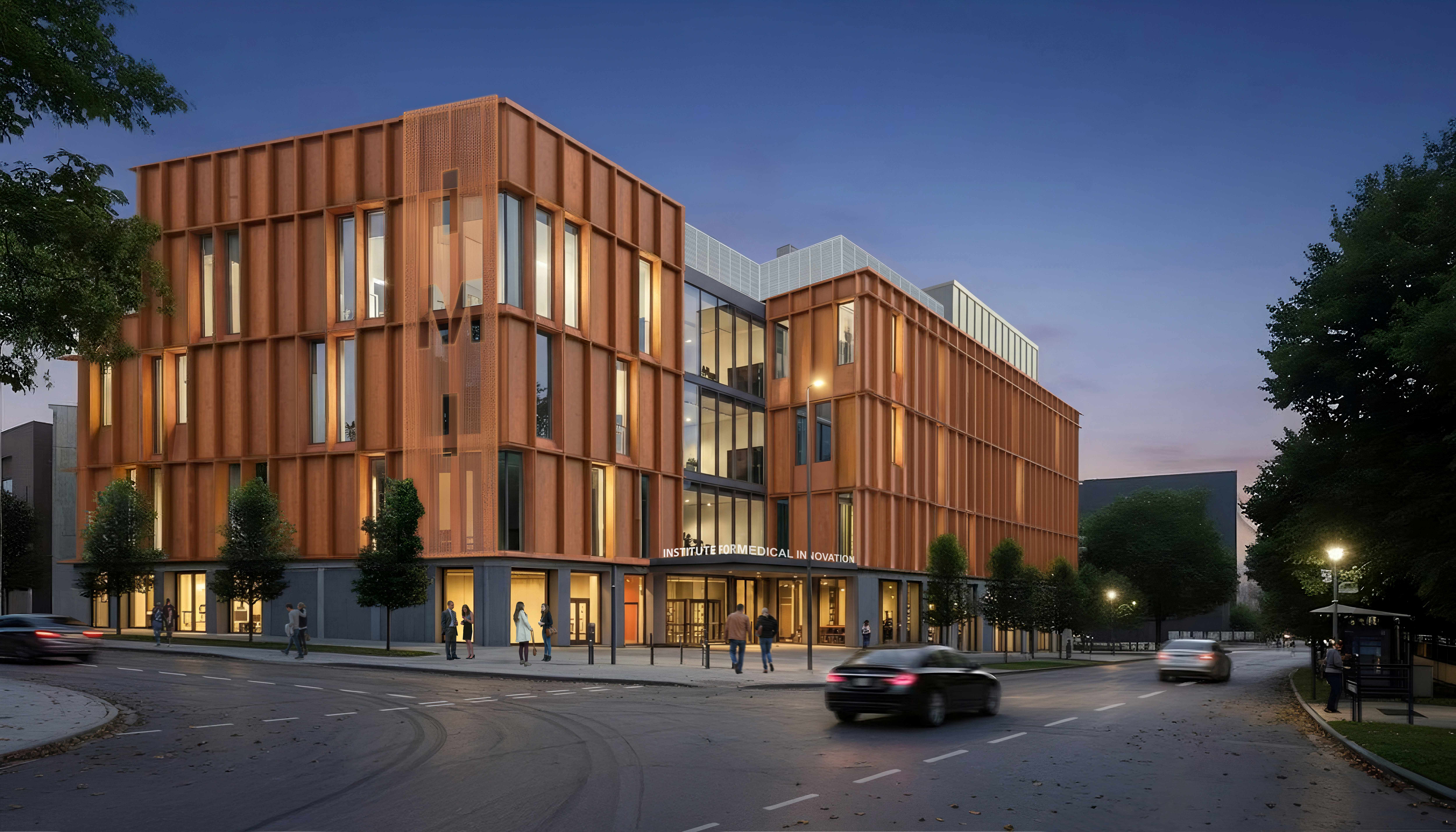
Design images unveiled today (28 April) offer a first glimpse of a major new Southampton facility being created to tackle some of the world’s most devastating diseases.
As the University of Southampton’s pioneering Institute for Medical Innovation (IMI) starts to take shape, the newly revealed designs mark a key milestone and the launch of a major fundraising campaign to bring the building to life.
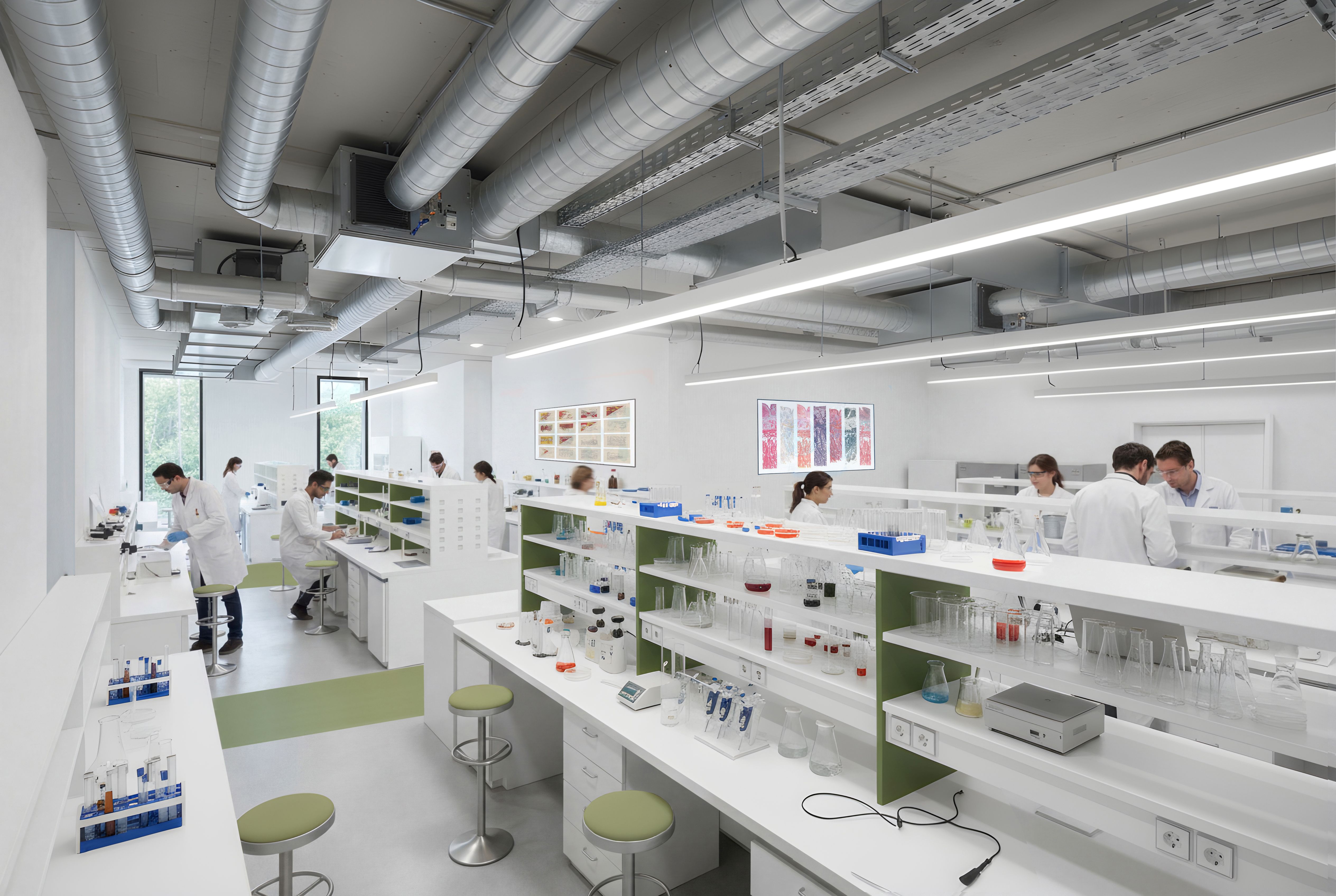
Based at Southampton General Hospital, the £100m state-of-the-art building will bring researchers, medics, engineers and computer scientists together to tackle illnesses and drive breakthroughs faster than ever before.
Underpinned by investment from the University and a £50m fundraising campaign, the IMI will train the next generation of medical researchers, equipping them with the tools and technology needed to deliver life-changing medical outcomes in the fight against devastating diseases such as cancer, dementia, sight loss, infectious diseases and respiratory and allergic conditions.
.jpg)
Among those supporting the campaign are Linda Richardson – a former palliative care nurse who has posterior cortical atrophy (PCA), an uncommon type of dementia, and Alzheimer’s. She took part in a research study to help find earlier ways to diagnose the disease.
Every three seconds, someone in the world develops dementia. There is no cure, and treatments are limited. People with dementia may only begin to show signs of the disease 20 years after the changes in the brain start to occur, by which point treatment is far less successful. Early diagnosis is therefore vital to give future patients a better chance against the disease.
Researchers at University Hospital Southampton NHS Foundation Trust, alongside teams at the University of Southampton, are attempting to change this through the READ-OUT study, which aims to identify blood tests to diagnose dementia more accurately and quickly than current methods.
Linda, who has taken part in the READ-OUT study, said: “It’s been difficult to come to terms with the fact that there is no treatment for me. I felt lost when I was given the diagnosis, as though I am on a long, lonely road. But while I know nothing can be done for me, I might be able to help people in the future.
“If there’s a chance this study and the work the IMI will do in the future can find a way of telling people earlier that they have dementia, we can give them more time with their families.
“Dementia is the forgotten disease. The more I can do to change things, the better.”
Director of the IMI, Professor Paul Elkington, said: “The IMI will get life-changing treatments to patients faster. We know families are waiting and, while technology is advancing at pace, medical science must keep up.
“Southampton is perfectly placed to make this happen. At the heart of a major hospital, this purpose-built research centre will bring scientists, doctors, engineers, and data experts together under one roof. Working side by side and using the latest technologies, they will accelerate discovery from lab to patients.
“The result will be smarter drugs, innovative devices, and kinder treatments for cancer, dementia, and other devastating diseases - reaching patients in years, not decades.”
University Hospital Southampton chief executive, David French, said: “The IMI building demonstrates the strength of partnership between our organisations and a shared commitment to research excellence. The IMI is where innovation will flourish, and it’s exciting to see the plans now taking shape.
“This investment supports the development of new and innovative treatments that deliver real benefits for patients and reinforces the powerful circle of research: where outstanding facilities attract the best people, leading to improved patient outcomes, that in turn attracts exceptional talent.
"Together, these partnerships demonstrate how collaboration and research excellence go hand in hand to improve lives.”
The building, which will be located on the junction of Coxford Road and Tremona Road, opposite Princess Anne Hospital, will be fully operational by 2030, with a planning application due to be submitted later this year.
More details about the IMI, how you can support the campaign, and planned consultation events in June can be found here