Gut-Immune-Brain Axis (GIBA) Network+
Southampton are leading new UK network into links between gut and brain health.
Professor Jonathan Swann, University of Southampton, Professor of Biomolecular Medicine
Professor Jessica Teeling, Co-Lead of the GIBA Network+, University of Southampton, Professor of Experimental Neuroimmunology
Dr. Aimée Parker, Research Fellow, Quadram Institute
Dr. Alexandre Almeida, Principal Investigator, Department of Veterinary Medicine, University of Cambridge
Dr. Franziska Denk, Reader in Neuroscience, King's College London
Rosie Mackay, Research and Innovation Specialist, University of Southampton
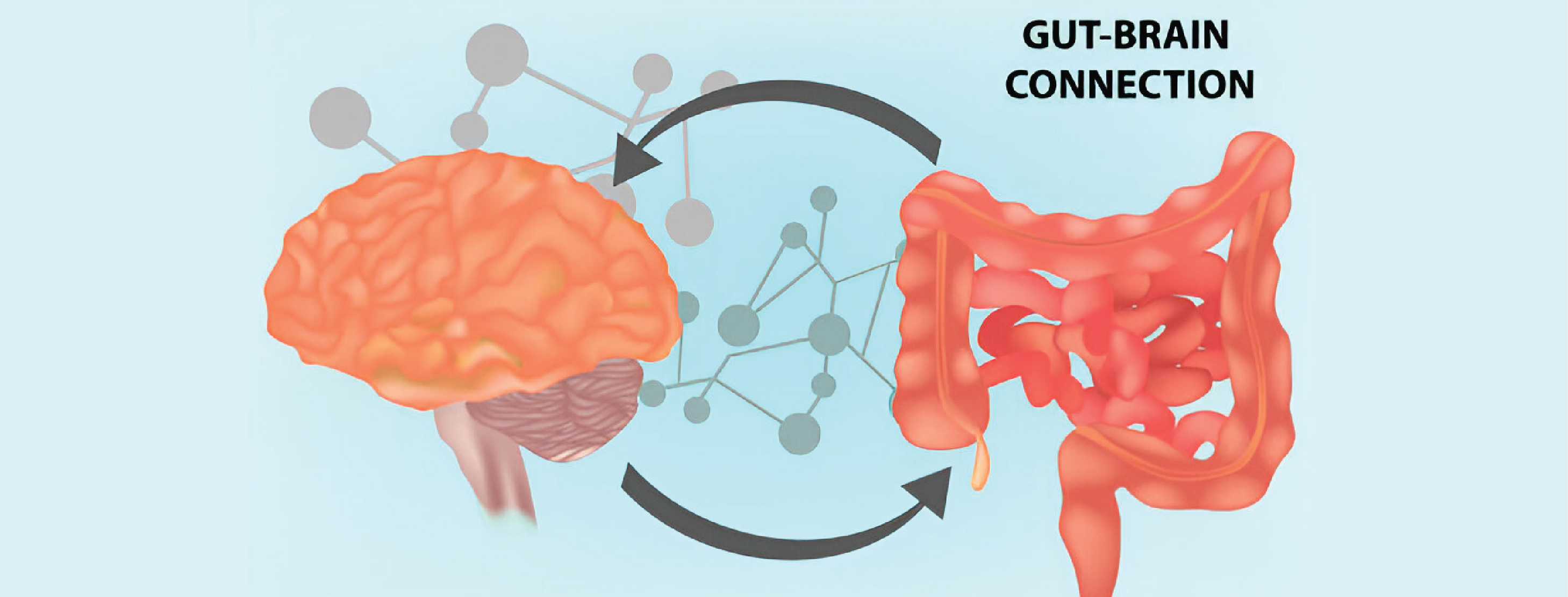
The UK Gut-Immunology-Brain Axis Network+ aims to unravel the complex communication between the gut, the immune system, and brain; known as the Gut-Immune-Brain Axis. The Network+ will be the focal point for UK GIBA research linking gut and brain health across the lifespan. Novel interdisciplinary GIBA research may lay the groundwork for novel interventions and evidence-based lifestyle recommentions for improved mental wellbeing, neurodevelopmental conditions and age-related dementia.
Launched in April 2025 and funded by the BBSRC with £4.5 million over four years, this groundbreaking UK research network is the first of its kind. Led by Professor Jonathan Swann of the University of Southampton, it brings together experts from Southampton, Cambridge, King’s College London, and the Quadram Institute. The network’s mission spans understanding how bi-directional communication between the gut and the brain affects the Gut-Immune-Brain Axis, and how this communication affects mental health, cognitive aging, and conditions like anxiety, dementia, obesity, and diabetes.
Improved understanding of GIBA, and integration and application of this knowledge, will advance our ability to develop strategies to improve physical, cognitive and mental health for economic and societal benefits.
Interdisciplinary collaboration: Unites scientists, clinicians, and industry partners across multiple institutions and sectors to share expertise, resources, and accelerate discoveries.
Advanced methodologies: Employs artificial intelligence and big data analytics to detect patterns and potential interventions within complex biological datasets.
Innovative research models: Uses state-of-the-art experimental design, including human cell-based models for rigorous, scalable and translational outcomes.
Translation to impact: Committed to quickly transforming findings into practical health advice, dietary strategies, and therapies, and in particular immune therapies, to strengthen mental resilience and cognitive health across the lifespan.
| Term | Definition |
|---|---|
| Gut‑Immune‑Brain Axis | The dynamic, bidirectional communication network connecting the gastrointestinal tract, the immune system, the brain, and other parts of the body, such as the oral cavity. |
| Gut microbiota | The community of microorganisms living in the digestive tract, significantly influencing health and disease. |
| BBSRC | Biotechnology and Biological Sciences Research Council, the funding body supporting this network. |
| AI / Big Data | Advanced computational tools used to analyse large, complex datasets to identify trends and new hypotheses. |
Enhanced understanding of gut‑immune-brain interactions across mental health, neurodevelopment, neurodegeneration, and enhanced understanding of physical, cognitive and mental health across the lifespan.
Feasibility-tested interventions and lifestyle guidelines; for example, dietary changes like increased fiber or Mediterranean-style eating to boost mood and cognition.
Novel therapies targeting gut microbiota or immune pathways (e.g., probiotics) for anxiety, depression, dementia, obesity, and diabetes.
Training and mobility opportunities to develop interdisciplinary research capacity and cultivate a next generation of experts.
AI-driven insights to identify biomarkers, therapeutic targets, effective intervention strategies, public awareness, and understanding of the link between the gut and brain health..
Please click here for more information about the GIBA network and ways to take part.
Click here to read the University Hostpital Southampton's Article on the Project