Using engineering to advance healthcare: First-in-human trial aims to improve the lives of patients with urinary stents
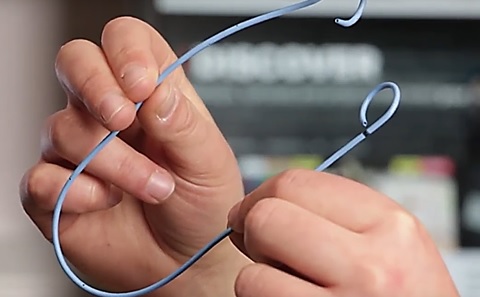
A clinical trial is testing whether a new type of urinary stent, designed using novel engineering approaches, could improve the lives of cancer patients and other people who use stents.
Dr Ali Mosayyebi, a Biomedical Engineer and Senior MedTech Fellow, and his team at the University of Southampton, have developed the new stent which it’s hoped could dramatically reduce urinary stent failures and improve quality of life for patients.
Dr Mosayyebi is now working with the team from the Southampton Clinical Trials Unit (SCTU) on a first-in-human clinical trial of this new device in the hope it can pave the way for better treatments for these patients in the future.
The CASSETTE trial is being funded by over £1.3m from the National Institute for Health and Care Research (NIHR) and will recruit 50 patients over the next year.
Tackling stent failure
Urinary stents are temporary devices which can help to drain urine from the bladder.
“The urinary system is very complex, which makes it very difficult to repair when it becomes blocked or damaged,” says Dr
Mosayyebi. “An inability to drain urine can happen for many medical reasons, including for people with cancerous tumours in the bladder or urinary tract and those with kidney stones. If not addressed quickly, this can lead to severe pain and kidney failure.”
However, while providing huge advantages to people experiencing bladder and urine drainage problems, stents are not always successful.

“These devices are prone to getting blocked due to crystalline and bacterial deposits,” continues Dr Mosayyebi. “This can lead to stent failures and urinary tract infections (UTIs) which can require antibiotics and, in most cases early removal of the stent.”
It is estimated that treatments for infections associated with stents and catheters cost the NHS an estimated £2.5bn a year. The team hopes that its novel stent design could overcome these problems, improving quality of life for patients who need stents, and saving the health service money.
This new, patented stent was developed by Dr Mosayyebi during his PhD and is designed to prevent the accumulation of crystals which cause blockages and reduce bacterial build-up.
“In pre-clinical studies, we successfully showed the safety of this new design against live tissue,” says Dr Mosayyebi. “We also demonstrated reduced particle deposition on the stent surface. This new trial will continue our research in the hope of finding a solution to the current problems many patients experience with traditional stents.”
First-in-human trial
CASSETTE is a first-in-human clinical trial that will assess the safety, performance, and patient acceptability of the new stent design.
Working with the Southampton Clinical Trials Unit, alongside colleagues at University Hospital Southampton, University College London Hospital, and the University of Oxford, Dr Mosayyebi’s team will trial the patented design in two groups of patients.
“We will be recruiting patients with kidney stones who require short-term stents, and also in patients with abdominal and pelvic cancers that need a longer-term stent use,” says Liz Dixon, Senior Trial Manager at the Southampton Clinical Trials Unit. “We will follow the patients while they use the stent and for a short time afterwards to monitor how well the stent performs. We will also interview the participants and their doctors to get a better understanding of how useable and acceptable the new design is.”
The trial has now started recruiting patients at University Hospital Southampton and At University College London Hospital and will run until December 2026
Professor Andrew Cook, Associate Director of the Southampton Clinical Trials Unit and co-investigator for the CASSETTE trial, says: “We hope that data analysis from this early-phase trial will lead to the development of larger randomised clinical trials in the future which can provide evidence that this design can improve quality of life for patients, then bring it into regular use in the NHS”
Professor Mike Lewis, NIHR's Scientific Director for Innovation, said "It’s exciting to see this novel device reach its first-in-human trial. This new urinary stent has the potential to significantly improve the quality of life for people with cancer and others who rely on stents while also reducing infection-related complications and lowering treatment costs for the NHS."
The CASSETTE trial is funded by just over £1.3m from the National Institute for Health and Care Research ’s Invention for Innovation Product Development Awards (NIHR i4i PDA) and is being run in collaboration with the University of Southampton (sponsor), University Hospital Southampton NHS Foundation Trust, University College London NHS Foundation Trust, the University of Oxford, and Sooba Medical.
Find out more on the CASSETTE website .