Helping Black people with chronic pain to fly
.png)
Tamar Pincus leads a major research project to help people from Southampton’s Black communities living with long-term pain reconnect with activities they enjoy. The project aims to improve wellbeing while supporting people to manage their pain.
“If you keep a bird in a cage, it can't fly. Too often pain can limit people's confidence, independence and opportunities. The challenge is helping people open the cage so they can live fuller lives.”
That's how Southampton’s Professor Tamar Pincus describes living with chronic pain.
Tamar, Dean of Environmental and Life Sciences, is leading a major research project aiming to do just that for Southampton's Black communities. The three-year study builds on the research team’s earlier programme called De-Stress Pain that encouraged people living with chronic pain to reconnect with activities they enjoy, such as music, photography and book clubs, helping improve wellbeing alongside pain management.
However, when researchers reviewed the study, they found it had reached very few Black participants, despite evidence showing that Black people are more likely to live with chronic pain and less likely to access NHS support.
Now, researchers from Southampton and Keele, are working with local residents, Hampshire and the Isle of Wight Healthcare NHS Foundation Trust and community organisations to understand why those inequalities exist and develop support that reflects people’s lived experiences.
“We know Black communities experience significant inequalities in pain and in access to healthcare.
“Living with chronic pain can feel like being trapped in a cage. Our goal isn't simply to reduce pain, but to help people open that cage so they can do the things that matter most to them,” says Tamar, a psychologist who specialises in chronic pain.
Listening differently through creativity
Rather than relying solely on interviews and questionnaires, the research team has taken a different approach, running creative workshops where participants make collages, write poetry and share stories while creating art together.
“People often talk more freely about sensitive experiences when they're doing something creative alongside others,” says Tamar.
One workshop, organised and run by Research Fellow Dr Rinita Dam, brought together six older Black women living with chronic pain. During the session, they reflected on how pain had changed their lives, who they had been before pain, what they had lost and what they hoped to regain.
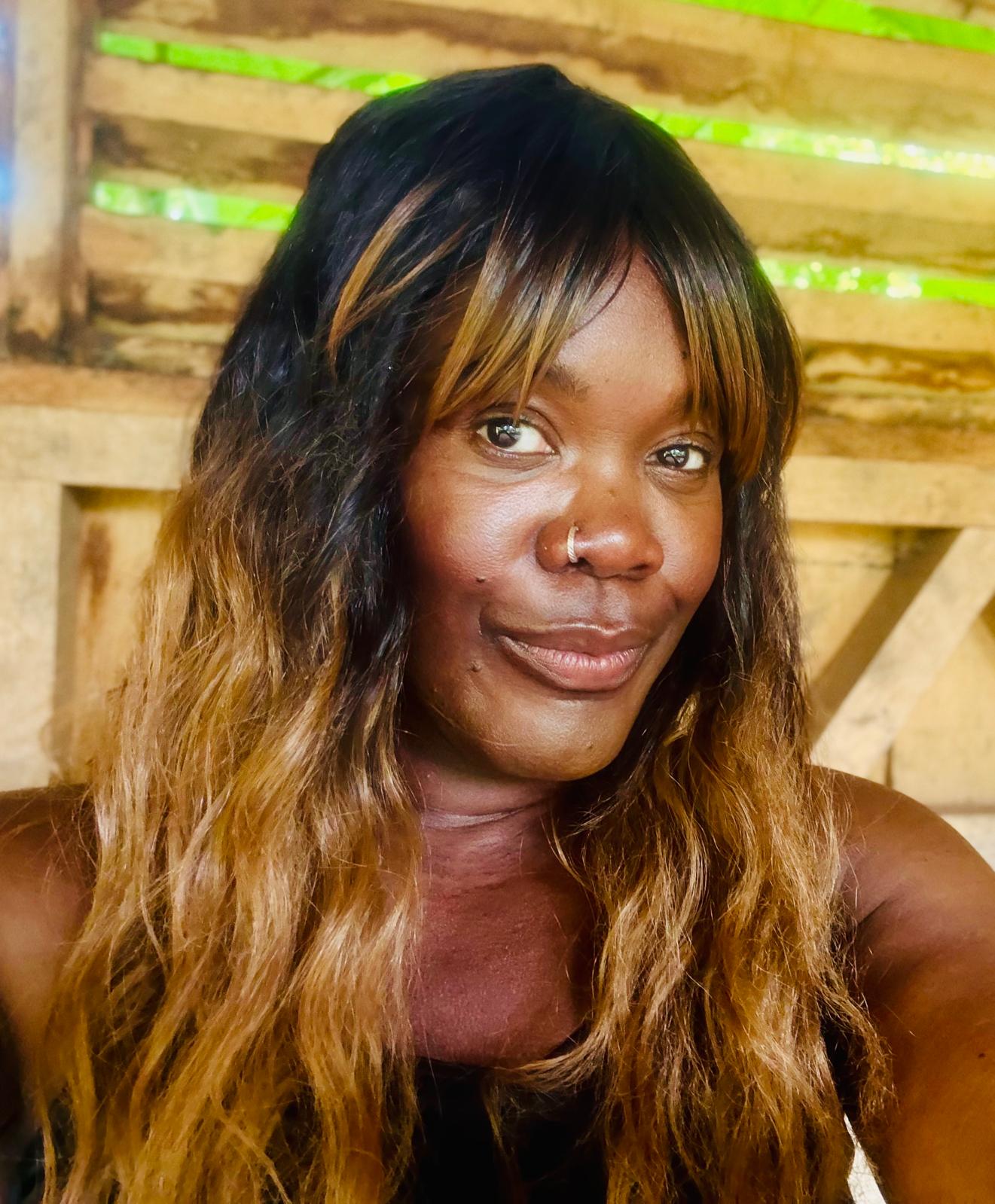
After listening to their conversations, NHS co-investigator Ophelia Watson left the room and wrote a poem which she crafted verbatim using the words, phrases and experiences of the women, called Who Am I? When she returned and read it aloud, the women immediately recognised themselves in it.
“It had real integrity because it reflected their voices rather than ours,” said Tamar.
The poem has since been recorded and shared publicly, becoming another way for people to understand the realities of living with chronic pain.
Ophelia adds: “People in the Black community have often had their voices stifled due to a myriad of reasons, including the power dynamics of organisational structures that are unwelcoming and produce barriers to accessing support, as well as increased hostility towards migrants coupled with racism, biased media reporting, social deprivation and educational disparities.
“Cumulatively these factors have led to distrust that has resulted in many Black people retaining little faith in asking for help and so they have kept their stories and pain locked away.
“Using a slam poetry method offered a creative, human-centred means of representation outside of the traditional methods for gaining feedback Black people are diverse in their culture, interests and needs therefore the creative use of slam poetry to hear the lived experiences of the Black community is novel, liberating and exciting.”
Research shaped by the community
The project’s collaborative approach also extends to the research team itself. From the outset, the researchers wanted the project to be shaped by people from Southampton's Black communities, so the team also includes Black clinicians, community leaders and people with lived experience of chronic pain, who help shape every stage of the project.
“It's probably the most principled research project I've ever worked on,” says Tamar. “I can't possibly understand the lived experience of a Black woman living with chronic pain in Southampton unless those voices are at the centre of everything we do.”
Southampton resident André Fergus, who has lived with chronic pain for more than a decade and is part of the project team, hopes others will feel empowered to seek help.
He says: “When you're in constant pain, you learn to live with it. I want people to know they don't have to struggle alone. By sharing our experiences, we can help others spread their wings.”
Research Fellow Rinita adds: “This project reminded me that people living with pain are often the real experts. Through creative workshops and close collaboration with community members, artists and engagement colleagues, I saw how sharing power and valuing lived experience can generate richer, more authentic research insights.”
While Anne Cato, who was an instrumental link between the project team and the local community says: “It is important for Black people to engage in research. There is often a perceived lack of trust between Black communities in Southampton and services because of their past experiences and the treatment they have received. This makes it difficult to recruit them for research.
“However, it has been a great pleasure working with the Southampton team on this project. The initiative has been extremely well received by the Black community who often suffer in silence. It gives me great satisfaction to hear the positive comments about being able to share their stories, face to face, in an environment that is familiar and safe for them.”
Opening the cage
The long-term ambition is to develop a sustainable, low-cost programme that can be delivered through the NHS, councils, churches and community organisations, while providing recommendations to improve pain services for underserved communities across the UK.
More than £500,000 of funding from Arthritis UK is supporting the project, which aims not only to improve pain management but also to help people reclaim the parts of life that chronic pain has taken away.
"The cage isn't going anywhere," Tamar says. "But if we can help people open the door, they can still fly."