

The festival is delivered in partnership with the British Science Association to bring together people, ideas and experiences from across the UK.
The British Science Festival is a great way for people to engage with science. It helps bring the latest discoveries to life and shows how science is part of everyday life, making it feel relevant and inclusive for everyone.
Discover what's on
Explore around 100 free events, exhibitions, performances and installations that celebrate the people, stories and ideas at the heart of science.
Led by our community and rooted in our city, the festival gives you the chance to connect with some of the most exciting research and ideas shaping our world.
Expect theatre performances about artificial intelligence, pop‑up skateboarding demonstrations, giant collaborative murals, food events and even competitive litter picking.
-
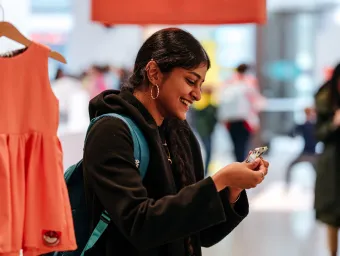
Southampton research stories
Meet the people and see the research from Southampton and partner organisations who are shaping the Festival activities.
-

Satellite activity: Discover more
From chemistry to poetry, explore more free activities happening alongside the British Science Festival.
-
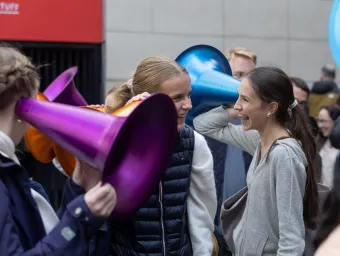
Join the AI conversation
Explore our growing podcast in the lead-up to the British Science Festival.


Tickets and updates
Check out our other events
Our Public Engagement with Research unit shares the British Science Association’s commitment to inclusive, people-centred engagement with research.
We connect the University and society through events like the Southampton Science and Engineering and Arts and Humanities festivals, Bringing Research to Life Roadshow, and Community Hubs.
We bring people and the University together through meaningful engagement that benefits everyone.
Getting here
-

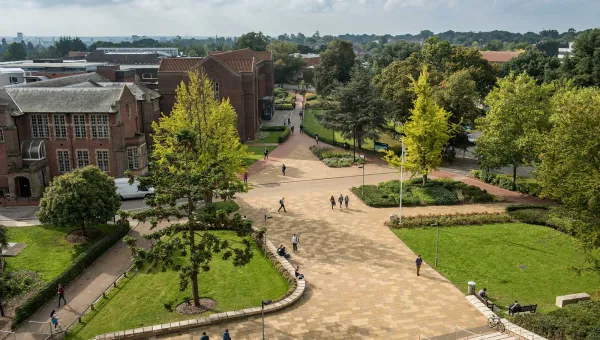
The Festival is at Highfield Campus and various locations around the city.
Connect with us
General festival questions
University-specific festival questions
Press enquiries
Useful links
Image credits:
Arts and Humanities Day, Josette Crispin
British Science Festival 2025 (Liverpool, photos by Gavin Trafford and Gareth Jones, via British Science Association)