Our research is investigating how immunotherapy can enable the body’s immune system to recognise and kill cancer cells. By understanding exactly how antibodies lock on to cancer cells and then trigger the immune system to destroy them, we're learning how to develop new immunotherapies that will save lives.
What is cancer immunotherapy?
Your immune system is the best weapon you have against cancer, but cancer cells are ingenious and hard to defeat. Immunotherapy is a revolutionary new treatment, supercharging your body's natural defences to find and destroy cancer.
Our research underpins the development of 3 main areas of immunotherapy:
direct targeting antibodies
immunomodulation: checkpoint blockade and co-stimulation
cancer vaccines
Immunotherapy: cancer assassin
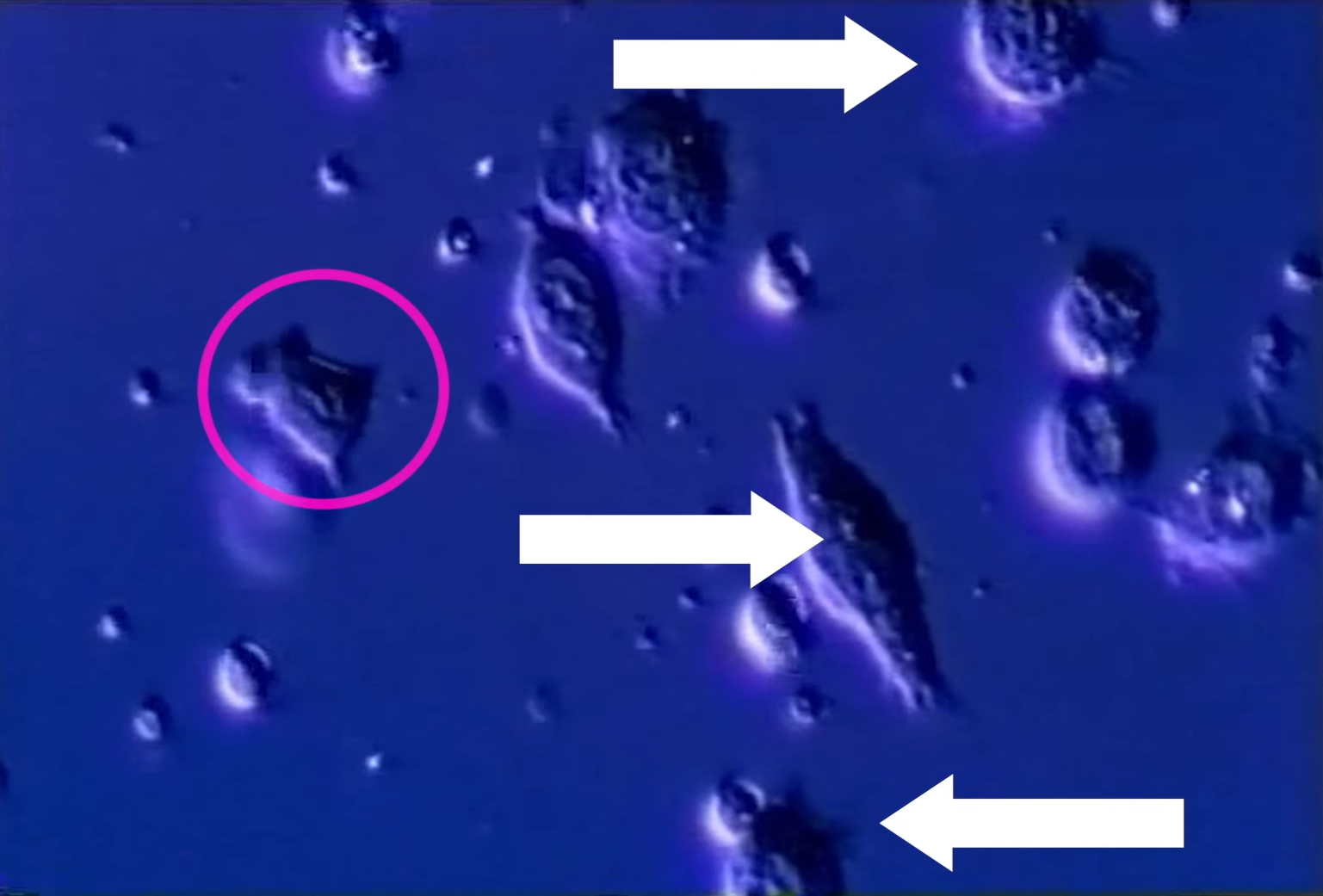
This video (speeded up about 100 times) shows a microscopic view of a single 'Killer T cell' scampering around killing a number of slow moving cancer cells. If you watch closely, you will see that as it visits each cancer cell in turn, it burrows into the surface membrane. The cancer cell then starts to bubble as it dies. Once these T cells have been developed in the body, they can provide long lasting protection against further cancer growth.
Direct targeting antibodies
Our scientists are engineering monoclonal antibodies that can target specific proteins on the surface of cancer cells. One such antibody developed in Southampton in collaboration with pharma: "ofatumumab", is licenced for use in the clinic, joining several others that are effective in treating lymphomas.
Immunomodulation
We are researching new combinations of immunotherapy drugs which have the ability to overcome the resistance of cancer cells to the immune system. Using antibodies, that block negative signals and boost positive signals to anti-cancer killer T cells, can dramatically restore immunity to cancer. Southampton researchers were involved in developing the first of these so-called checkpoint blockade immunotherapies, which have been so successful in clinical trials that they are now available as first-line treatments for certain cancers.
Vaccines
Vaccines have been used to prevent infectious disease for many years and they are now being used to treat cancer. Sometimes, cancer does not provoke an immune response, accounting for the poor responses to checkpoint blockade immunotherapy in some cancers. Vaccination could help rectify this, and Southampton researchers were the first to trial DNA-based vaccines against cancer. This has led to new generations of vaccines which will be used in combination with immunomodulatory antibodies.
Cancer immunotherapy named number 1 global scientific breakthrough*
*Science, January 2014
20%
of clinical trial patients living cancer-free
Cancer vaccines could be available within less than 15 years