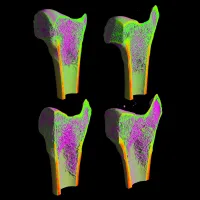
Professor Kate Ward and colleagues at the University of Southampton are helping to close this evidence gap through research in The Gambia, Zimbabwe and South Africa. By investigating musculoskeletal health, fracture risk and healthy ageing, the team is generating vital evidence improving healthcare policy, clinical practice and outcomes for older people across the region.
Historically, research and healthcare priorities in many African countries focused on maternal and child health and infectious diseases such as HIV. As a result, little was known about conditions affecting older adults, including osteoporosis, fractures, frailty and disability.
Professor Kate Ward’s interest in this area began more than 15 years ago through her work with the Medical Research Council in The Gambia. Recognising a lack of evidence on musculoskeletal ageing in African populations, she established the Gambian Bone Ageing Study to better understand how bones and muscles change with age and to explore the factors affecting healthy ageing in African populations.
Research that can change lifestyles
The research responded directly to a lack of representation of older adults in health studies and challenged assumptions that fragility fractures were not an important health concern in Africa. The team investigated the impact of changing lifestyles, urbanisation, malnutrition, obesity, decreasing physical activity and HIV, which is increasingly managed as a chronic condition of ageing but can affect long-term bone health.
This work laid the foundations for Fractures-E3 (Fracture Epidemiology, Ethnography and Economic Impact in Sub-Saharan Africa), a major international collaboration led by the University of Bristol and funded by the Wellcome Trust. The University of Southampton is a lead partner, with Professor Ward conducting a population-based study spanning five sites across The Gambia, Zimbabwe and South Africa.
Working closely with researchers, healthcare professionals, ministries of health and local communities, the team examined the prevalence of vertebral and incidence hip fractures, their risk factors, economic costs, healthcare system preparedness and barriers to treatment.
Alongside Professor Ward, researchers including Dr Lucy Gates, Dr Emma De Lucia Rolfe, Dr Camille Pearce and Awa Touray have contributed expertise in epidemiology, nutrition, muscle health and healthy ageing, and ethnography.
This knowledge has helped in creating one of the most comprehensive datasets on musculoskeletal ageing currently available in sub-Saharan Africa.
Impact of the research
The programme has delivered important scientific, clinical and policy impacts.
For the first time, researchers have generated robust epidemiological data on hip and vertebral fractures which cause significant morbidity and mortality in several African populations. The findings demonstrate that fracture burden is a significant public health issue, challenging misconceptions that fragility fractures are rare among African adults.
This evidence has informed policy development in Zimbabwe and is contributing to standards of care and policy guidance in The Gambia. The research team has also developed fracture risk assessment tools for both countries.
This will include the first calibrated fracture risk assessment tool available in West Africa. These resources will help identify individuals at greatest risk and support preventative healthcare planning.
Creation of a World Health Organisation initiative
The impact extends beyond bone health. Researchers have established Africa-specific thresholds for poor muscle health and functional capacity and generated new evidence on frailty, disability, multimorbidity and health-related quality of life. Findings have contributed to World Health Organisation initiatives on osteoporosis diagnosis and international research examining links between HIV and bone health.
The programme has also strengthened research capacity through the training of master’s and PhD students, the development of local research teams and the creation of partnerships with ministries of health, healthcare practitioners, traditional healers and community organisations. These collaborations are helping ensure that research findings are translated into real-world improvements in care and policy.
Professor Kate Ward and her colleagues have transformed understanding of healthy musculoskeletal ageing in sub-Saharan Africa by generating critical evidence where little previously existed. Through long-term partnerships, community engagement and internationally recognised research, they have helped place the needs of older adults firmly on the health agenda. The programme has created a unique research platform, extensive datasets and a valuable biobank that will continue to support future discoveries.
As populations across the region continue to age, this work is providing the evidence, tools and partnerships needed to improve policy, healthcare services and quality of life for older people.