

About
With a rising population across the globe, many societies are struggling to meet healthcare demand. Digital health care interventions are key to tackling this issue and help to enhance the efficiency, delivery and security of services to patients, and supporting care in the community.
But with so many new digital technologies available and the immediate access to massive data sets how can we harness this information to ensure it makes a real difference to society? And how do we overcome the challenges of privacy and personal data protection?
Southampton scientists across medicine and electronics and computer science are combining machine learning, genome sequencing and other computational methods to develop new digital health interventions to help healthcare professionals and patients to manage illness and promote health and wellbeing. This includes both hardware and software solutions including using Internet of Things smart devices, wearable devices and monitoring sensors.
Our teams are also using digital health technologies to analyse already available data sets to establish trends of behaviour and decision patterns with the aim of predicting future healthcare needs as well as examining the role data protection plays in this ever-expanding research field.
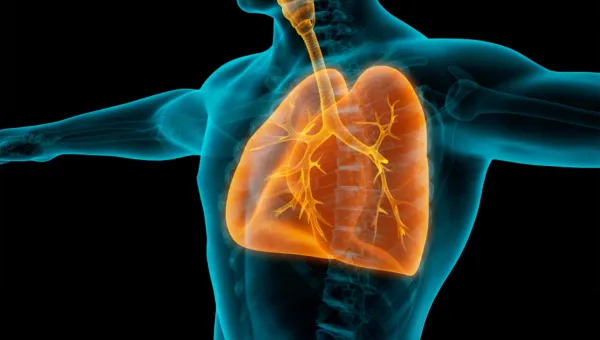
Transforming chronic respiratory disease care
Groundbreaking sticker could monitor breathing and help save lives.
People, projects and publications
People
-
Professor Kate Ward
Associate Dean (International)Email: K.A.Ward@southampton.ac.ukTel: +44 23 8059 0520Address: Southampton General Hospital, Tremona Road Shirley, Southampton, SO16 6YD -
Professor Kath Woods-Townsend
ProfessorAdolescent Health
Scientific Literacy
Health Literacy
Accepting applications from PhD studentsEmail: K.Woods-Townsend@soton.ac.ukTel: +44 23 8059 0628Address: Southampton General Hospital, Tremona Road Shirley, Southampton, SO16 6YD -
Doctor Katherine Bradbury
Principal Research FellowEmail: kjb1e08@soton.ac.ukTel: +44 23 8059 8721Address: B44, West Highfield Campus, University Road, Southampton, SO17 1BJ -
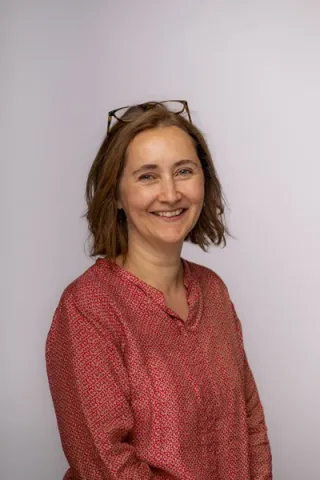
Professor Katherine Newman-Taylor
Professor of Clinical Psychology & CBTCBT and mindfulness for psychosis
Accepting applications from PhD studentsEmail: K.Newman-Taylor@soton.ac.uk -
Doctor Kathy Carnelley
Associate ProfessorMy research area is personal relationships.
Accepting applications from PhD studentsEmail: K.Carnelley@soton.ac.ukTel: +44 23 8059 3004Address: B44, West Highfield Campus, University Road, Southampton, SO17 1BJ -

Doctor Katie Meadmore
Senior Research FellowResearch on research
Qualitative research
Ethics in research
Email: K.Meadmore@soton.ac.ukAddress: University Of Southampton Science Park, Enterprise Road, Chilworth, Southampton, SO16 7NS -

Doctor Katy Sivyer
LecturerUnderstanding how psychological treatments and behaviour change interventions work
Email: K.A.J.Sivyer@soton.ac.ukTel: +44 23 8059 7162Address: B44, West Highfield Campus, University Road, Southampton, SO17 1BJ -
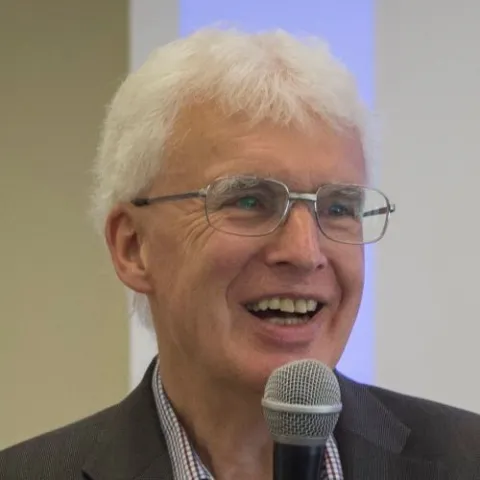
Emeritus Professor Keith Fox
DNA Interactions
Triplex DNA
Quadruplex DNA
DNA Structure
Email: K.R.Fox@soton.ac.ukTel: +000Address: B85, East Highfield Campus, University Road, Southampton, SO17 1BJ -
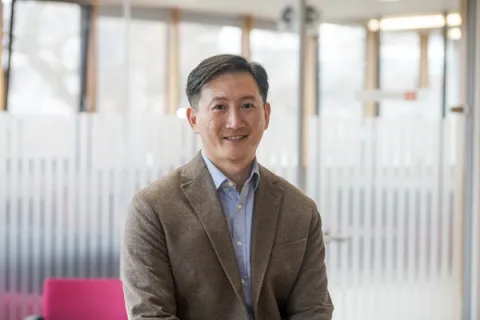
Doctor Kelvin Peh
Associate Professor in Conservation ScienceKelvin Peh’s interests range from forest ecology to urban wildlife in respect of divers
Accepting applications from PhD studentsEmail: K.Peh@soton.ac.ukTel: +44 23 8059 4367Address: B85, East Highfield Campus, University Road, Southampton, SO17 1BJ -
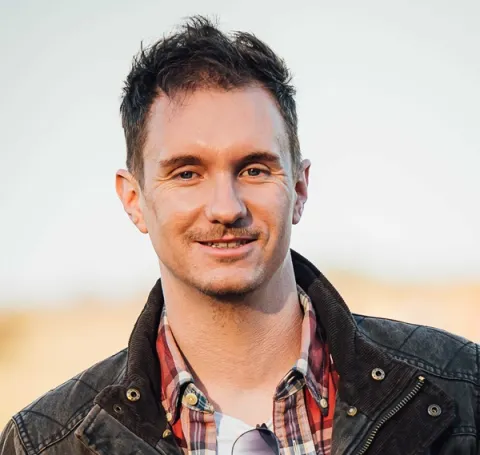
Doctor Ken Brackstone
Research FellowWar trauma (i.e., blast exposure) and mental health among civilians living in conflict
Email: K.Brackstone@soton.ac.uk

True interdisciplinary research, in which collaborators share the challenges and strengths of different domains is more than just applying one domain’s techniques to another area’s problems. Interdisciplinary research opens up new and exciting research opportunities in both domains by changing the shape of the problem and highlighting why existing approaches are not fit for use.
Related research institutes, centres and groups
-
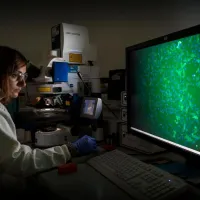
Digital Health and Biomedical Engineering
Our group brings together engineers and computer scientists to discover new approaches to diagnose and manage health and medical conditions. -
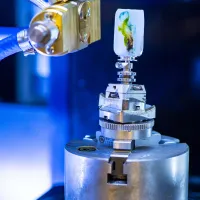
Institute for Life Sciences
We bring together interdisciplinary researchers with expertise across the themes of health and medicine, living systems, disruptive life technologies, and insights through data