
About
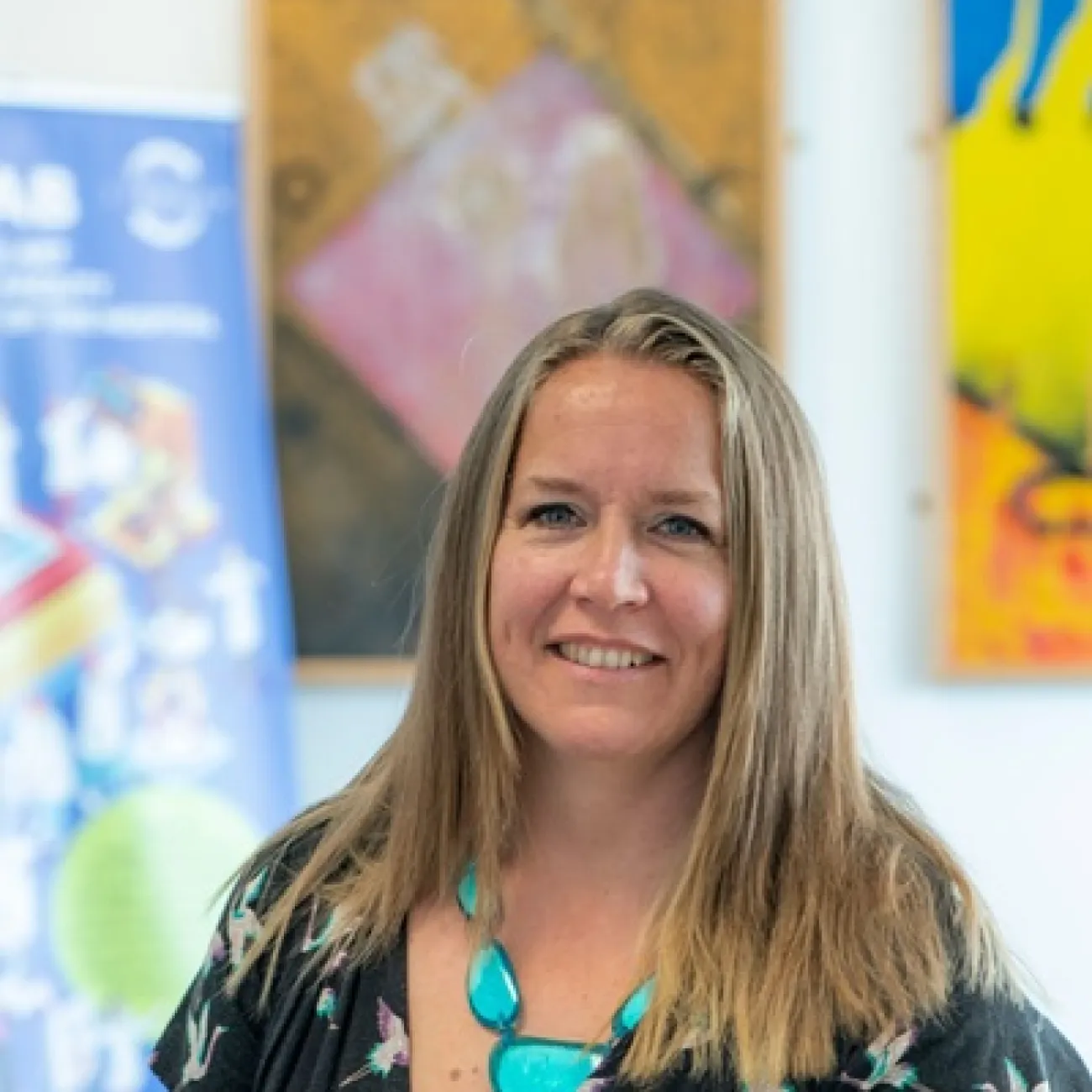
Kathryn Woods-Townsend is Professor of Science Engagement and Education, Director of LifeLab, and joint Deputy Head of School Research in the School of Healthcare Enterprise and Innovation, Faculty of Medicine at the University of Southampton.
Research
Research groups
Research interests
- Adolescent Health
- Scientific Literacy
- Health Literacy
- Behaviour Change
- Prevention of non-communicable disease
Current research
The main research project for LifeLab has a core focus on science literacy for health literacy in relation to lifestyle-related non communicable diseases (NCDs).
LifeLab Southampton is an innovative educational intervention which shows adolescents first-hand how their diets and lifestyles lay the foundations for a healthy life, and how their own health is linked to the health of children they may themselves have in the future. Building on BRC-funded research into lifelong effects of the early life environment, it engages students with ongoing investigations in a University Hospital research institute. The context-specific learning experience and direct contact with researchers improves students' science and health literacy. LifeLab comprises modules of work involving curriculum-linked lessons in school before and after an activity day at LifeLab Southampton.
Kath is the Programme Manager for the LifeLab project and has driven forward this project since the first Wellcome Trust grant was awarded for the pilot study. Her current research focuses on two key themes:
- What elements are required for a successful educational intervention to bring about behaviour change?
- For school students – what are the key motivational drivers and what additional support do they need? (LifeLab+, funded by the NIHR EACH-B grant)
- How can we expand and provide these opportunities for different ages? (Early LifeLab, funding applications submitted)
- How can we take the model of LifeLab and roll it out in different contexts (utilising our relationship with LENScience, University of Auckland and seeking out further opportunities)
- How can we motivate teachers to buy into this initiative – what are the drivers for teachers who are focused on responding to subject specific pressures? (LifeLab+, funded by the NIHR EACH-B grant; partnership with Southampton City Council)
- What are the impacts on researchers of participating in public engagement activities?
- As a University Public Engagement Associate (visit Kathryn's PER profile) I value the importance of public engagement and am interested in evidencing the nature of the impact on researchers themselves of undertaking public engagement activities.
Research projects
Active projects
Completed projects
Publications
Teaching
Kath's main role has been to be in charge of the development of the LifeLab project; she was employed at the inception of the project and have taken the overall lead in the design and delivery of the programmes of work for school students and school teachers, and in liaison work inside and outside the University.
She worked with both the Royal College of Paediatrics and Children’s Health (RCPCH) and the Royal Society of Public Health to gain nationally recognised accreditation/endorsement for the LifeLab materials. LifeLab is an RSPH Centre for delivery of the YHC qualification.
She has directed the development of an online CPD course which is available and includes an online Behaviour Change session.
Postgraduate teaching
Kath is a Module Leader for the ‘Teaching the Teachers to Teach’ module on the MSc Allergy. This module uses innovative teaching methods and was designed with an imaginative blend of theory and interactivity to have a transformational effect on students’ approach to learning and teaching. This module is accredited by Advance HE and students who successfully complete it are eligible for Associate Fellowship of the Higher Education Academy (AFHEA).
Staff and Student Development
Kath designed and delivered a new, consistently oversubscribed, science communication training course for both PGRs and staff. To date, 284 PGRs and staff from across the University have been trained, from all Faculties and all levels (from undergraduate, PhD, technical staff through to Associate Deans).
Biography
Kathryn Woods-Townsend is Professor of Science Engagement and Education, Director of LifeLab, and joint Deputy Head of School Research in the School of Healthcare Enterprise and Innovation at the University of Southampton. Following a PhD in Human Genetics and post-doctoral research, she retrained as a secondary school science teacher, combining expertise in science, education and public engagement.
Her research focuses on scientific literacy, health literacy and adolescent health, with a particular interest in how research can be conducted with, rather than about, children, young people and communities. She has led the development and evaluation of a range of school, community and public engagement initiatives, including randomised controlled trials and mixed-methods evaluations exploring how engagement with health science can influence knowledge, attitudes and behaviours.
More recently, her work has focused on youth participation, community participatory action research, and the role of young people as partners in research, innovation and decision-making. Through initiatives including the LifeLab Youth Panel and the NxtGen Researcher Programme, she supports young people and wider communities to identify priorities, co-produce research, and contribute to the development of resources, services and policy.
Kathryn also works with local and national partners to translate research into practice and policy, with particular interests in young people's health, wellbeing, education, employment and future opportunities.
Prizes
- Vice Chancellor's Award for Public Good (2021)
- Hygeia Centre for Excellence (2019)
- Vice Chancellor's Award for Collegiality (2016)