Whether you’re a researcher seeking to collaborate or you're planning to do a PhD, find out how to research with us.
We are ideally placed to bring together experts in:
the role of ocean circulation on the global climate system
the influence of ocean-atmosphere coupling on climate variability and change
how to forecast water levels, currents, winds, salinity and water temperatures
interactions between physical and biogeochemical processes in shelf seas
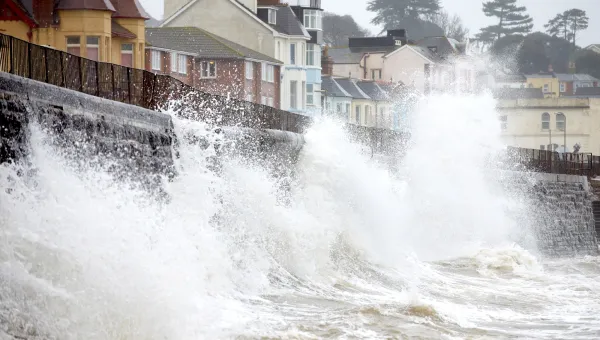
the impact of sea-level rise and flooding on coastal communities and ecosystems
Ways we work with organisations
Numerical modelling of tides, ocean currents, salinity and water temperatures.
Deploying instruments to measure ocean currents, salinity, water temperature and turbulence.
Analysis of extreme water levels, waves, winds and currents.
Determining rates of sea level rise using tide gauge records and satellite altimetry.
Working with communities on the coast to map flooding and erosion and development of adaptable management approaches.
Informing and developing policies relating to physical oceanography.
Participating in large scale physical oceanography studies.
Check out our publications section to see many examples of successful PhD projects and international collaborations.
Study for a PhD with us
If you join us as a PhD student, you’ll be part of an inspiring and supportive research environment at the National Oceanography Centre. Find out about the current research degree opportunities.