Edit your staff profile

Your staff profile is made up of information taken from systems including Pure and Subscribe.  This page explains how to update each section of your profile.

Dr Lucy Brindle

Associate Professor

Research interests

  • Risk communication in healthcare
  • Health care encounters
  • Gendered interaction and healthcare inequity 

More research

Accepting applications from PhD students.

Connect with Lucy

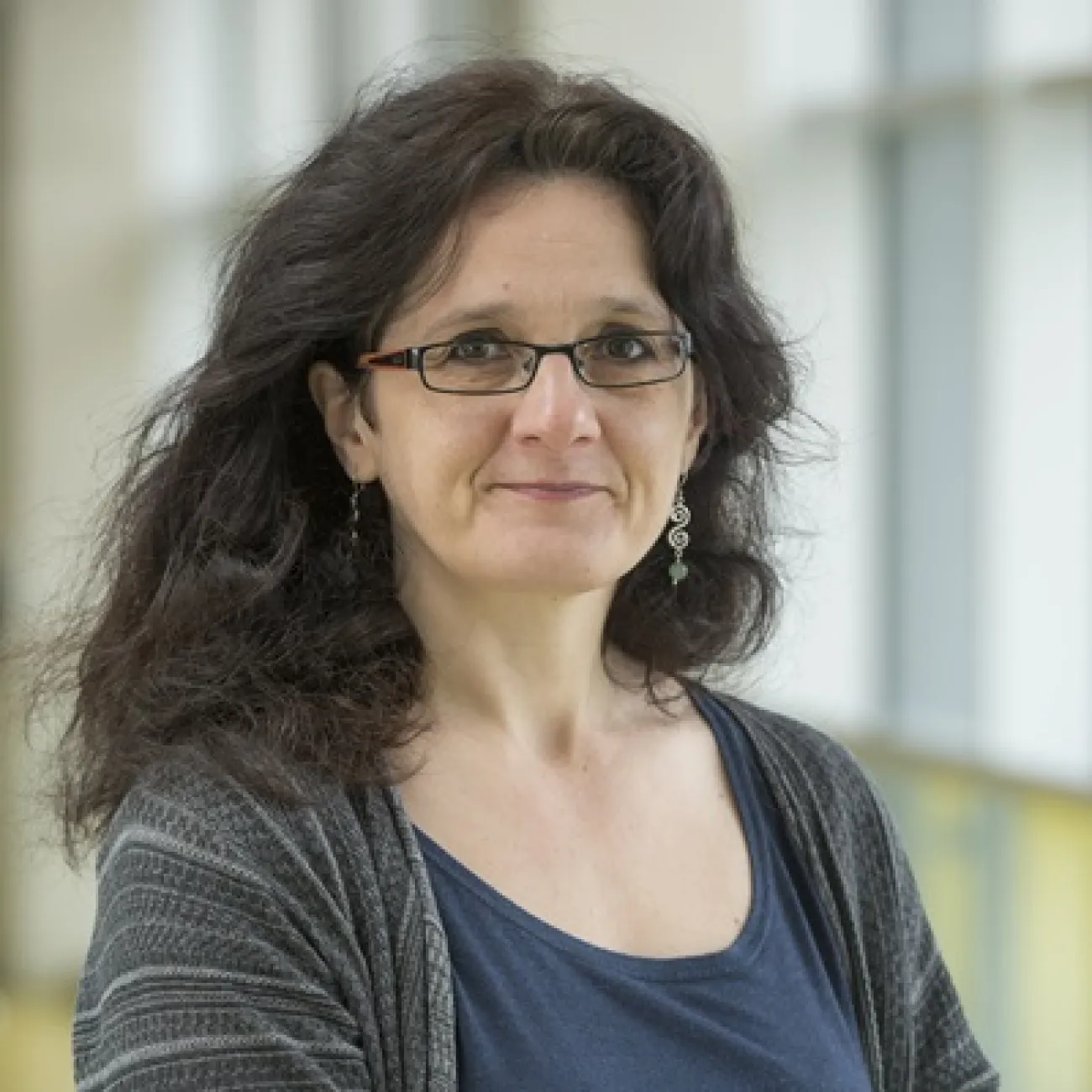
Profile photo 
Upload your profile photo in Subscribe (opens in a new tab). Your profile photo in Pure is not linked to your public staff profile. Choose a clear, recent headshot where you are easily recognisable. Your image should be at least 340 by 395 pixels. 

Name 
To change your name or prefix title contact Ask HR (opens in new tab)  If you want to update an academic title you'll need to provide evidence e.g. a PhD certificate. The way your name is displayed is automatic and cannot be changed. You can also update your post-nominal letters in Subscribe (opens in a new tab).

Job title 
Raise a request through ServiceNow (opens in a new tab) to change your job title (40 characters maximum) unless you're on the ERE career pathway. If you're on the ERE path you can not change your main job title, but you can request other minor updates through Ask HR (opens in new tab). If you have more than one post only your main job title will display here, but you can add further posts or roles in other sections of your profile.

Research interests (for researchers only) 
Add up to 5 research interests. The first 3 will appear in your staff profile next to your name. The full list will appear on your research page. Keep these brief and focus on the keywords people may use when searching for your work. Use a different line for each one.

In Pure (opens in a new tab), select ‘Edit profile’. Under the heading 'Curriculum and research description', select 'Add profile information'. In the dropdown menu, select 'Research interests: use separate lines'.

Contact details 
Add or update your email address, telephone number and postal address in Subscribe (opens in a new tab). Use your University email address for your primary email. 

You can link to your Google Scholar, LinkedIn and Twitter accounts through Pure (opens in a new tab). Select ‘Edit profile’.  In the 'Links' section, use the 'Add link' button. 

ORCID ID 
Create or connect your ORCID ID in Pure (opens in a new tab). Select ‘Edit profile’ and then 'Create or Connect your ORCID ID'.

Accepting PhD applicants (for researchers only) 
Choose to show whether you’re currently accepting PhD applicants or not in Pure (opens in a new tab). Select ‘Edit profile’. In the 'Portal details' section, select 'Yes' or 'No' to indicate your choice. 

About

Associate Professor in Early Diagnosis Research

"The integration of medical and social sciences provides new ways of understanding current challenges in health care, making possible the identification and development of innovative health care solutions."

Lucy Brindle, a medical sociologist, is Associate Professor of Early Diagnosis Research in the School of Health Sciences.  Lucy’s current research is exploring the sociocultural construction of risk and gender in healthcare, with application to early cancer diagnosis. They were an invited member of the Yorkshire Cancer Research funding panel 2016 – 2024, invited member of the CRUK Population Sciences Early Diagnosis Funding Panel until 2020, and competitively appointed member of the NCRI Primary Care Clinical Studies Group, providing medical sociology input to inform development of UK early cancer diagnosis research strategy.  Lucy is currently leading a programme of research investigating clinician-patient communication about cancer risk and is working with Prostate Cancer UK to avoid overtreatment of prostate cancer in the UK.  They are also PI for the CRUK-funded CATRIC Study, providing a unique video-archive of GP consultations involving patients presenting potential cancer symptoms.  

Lucy founded and currently co-leads the ESRC South Coast Doctoral Training Partnership Social Science Methods for Health Research Pathway, is the Faculty of Environmental and Life Sciences PGR Training Lead, and a member of the ESRC SCDTP PGR Training Committee.  As Faculty (FELS) Deputy Director of Graduate School Lucy is leading FELS initiatives to improve training culture and experience of progression; early transferable skills awareness including engagement with communities, and fostering supportive environments for writing.  As PGR Lead for the Institutional Athena Swan i-SAT, Lucy is working with colleagues to enhance inclusive research culture and equity of opportunity for staff and students across the University. 

You can update this in Pure (opens in a new tab). Select ‘Edit profile’. Under the heading and then ‘Curriculum and research description’, select ‘Add profile information’. In the dropdown menu, select - ‘About’.

Write about yourself in the third person. Aim for 100 to 150 words covering the main points about who you are and what you currently do. Clear, simple language is best. You can include specialist or technical terms.

You’ll be able to add details about your research, publications, career and academic history to other sections of your staff profile.