Project overview
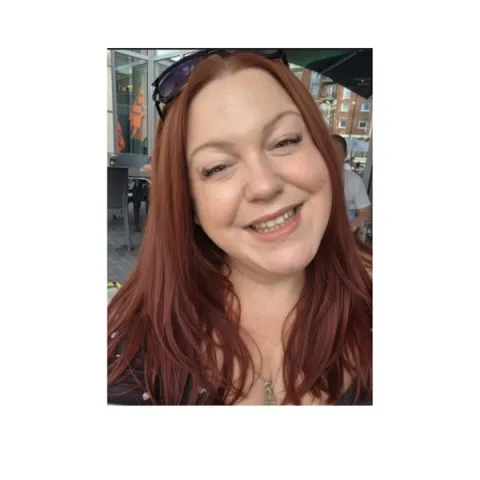
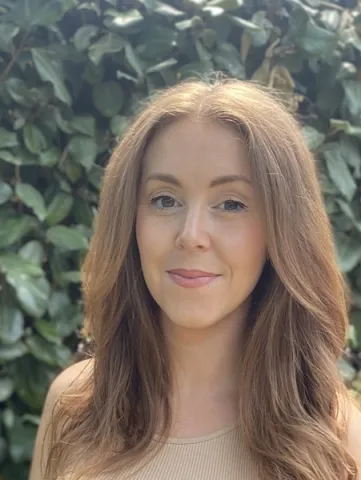
This project is co-led by Kate Henaghan-Sykes and Dr Hannah Bowers.
Socioeconomic status (SES) describes things like how much money someone has, what kind of job they do, the housing or area they live in and how much education they have. All of these things can affect many parts of every day life. For example, access to health care, or safe outside spaces to exercise. When people have less access to resources and opportunities, they can experience disadvantage. This means they may not have the same chances to stay healthy a people who do have access to these things.
Researchers often use words like 'deprived' 'disadvantaged' and 'deprivation to describe areas or people who face challenges. But these words don't always match how people see their own lives. Research shows that the words used by big organisations can change how communities are seen and treated. The NIHR Socioeconomic Disadvantage Framework recognises this and has asked for feedback on the language it uses.
The NIHR Good Practice for Inclusive Language guide helps researchers talk respectfully about areas of identity like disability and ethnicity. These are important parts of who people are and can affect health. But the guide does not explain how to write inclusively about someone’s (SES). This matters because SES is closely linked to other parts of a person’s identity and it can have a big effect on health. For this reason, it is important that researchers talk about SES in ways which are clear, fair and respectful.
To help with this, we will work with communities Southampton who may face extra challenges to explore this further.
We will do this in two ways:
Community Coffee Mornings we will run community coffee mornings to create a friendly place for people to meet us and get to learn more about research. These sessions will help build trust and relationships needed to explore this sensitive topic. We also learn about the health research topics that matter most the the community. When possible, we will invite researchers working in these areas to join us and share more about their project, what they have found and offer chances to get involved.
Listening Cafés
After building relationships, we will run a series of Listening Cafés. These will focus on the language used to describe SES. Together, we will explore how certain words make people feel, whether the words reflect their real lives, and what alternatives feel more respectful and strengths‑based. We will work together to use what we learn to create clearer guidance for researchers.
At the end of the project, we will share what we have learned through accessible and easy to understand creative resources (such as an infographic or short animation). We hope this work will support researchers and public involvement professionals to build stronger, ongoing relationships with communities who are currently underrepresented in research.
The project will take place over 11 months. Coffee mornings will start in month one and continue until the end of the project. Listening Cafés will take place in months 4, 5, and 6.
Collaborations
This project is in collaboration with Monty's Community Hub - Thornhill, Brew and You – Millbrook, YMCA - Newtown.
This project is funded by NIHR School for Primary Care - project 803 PPIE Enablement Award.
Socioeconomic status (SES) describes things like how much money someone has, what kind of job they do, the housing or area they live in and how much education they have. All of these things can affect many parts of every day life. For example, access to health care, or safe outside spaces to exercise. When people have less access to resources and opportunities, they can experience disadvantage. This means they may not have the same chances to stay healthy a people who do have access to these things.
Researchers often use words like 'deprived' 'disadvantaged' and 'deprivation to describe areas or people who face challenges. But these words don't always match how people see their own lives. Research shows that the words used by big organisations can change how communities are seen and treated. The NIHR Socioeconomic Disadvantage Framework recognises this and has asked for feedback on the language it uses.
The NIHR Good Practice for Inclusive Language guide helps researchers talk respectfully about areas of identity like disability and ethnicity. These are important parts of who people are and can affect health. But the guide does not explain how to write inclusively about someone’s (SES). This matters because SES is closely linked to other parts of a person’s identity and it can have a big effect on health. For this reason, it is important that researchers talk about SES in ways which are clear, fair and respectful.
To help with this, we will work with communities Southampton who may face extra challenges to explore this further.
We will do this in two ways:
Community Coffee Mornings we will run community coffee mornings to create a friendly place for people to meet us and get to learn more about research. These sessions will help build trust and relationships needed to explore this sensitive topic. We also learn about the health research topics that matter most the the community. When possible, we will invite researchers working in these areas to join us and share more about their project, what they have found and offer chances to get involved.
Listening Cafés
After building relationships, we will run a series of Listening Cafés. These will focus on the language used to describe SES. Together, we will explore how certain words make people feel, whether the words reflect their real lives, and what alternatives feel more respectful and strengths‑based. We will work together to use what we learn to create clearer guidance for researchers.
At the end of the project, we will share what we have learned through accessible and easy to understand creative resources (such as an infographic or short animation). We hope this work will support researchers and public involvement professionals to build stronger, ongoing relationships with communities who are currently underrepresented in research.
The project will take place over 11 months. Coffee mornings will start in month one and continue until the end of the project. Listening Cafés will take place in months 4, 5, and 6.
Collaborations
This project is in collaboration with Monty's Community Hub - Thornhill, Brew and You – Millbrook, YMCA - Newtown.
This project is funded by NIHR School for Primary Care - project 803 PPIE Enablement Award.