
Search our research
-
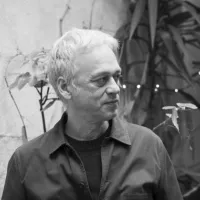
Daniel Cid Moragas
Associate Professor in Design -
Democracy and AI: Fostering Knowledge Exchange for Social Change
Status: Not activeLead researchers: Matthew George Ryan -
Bringing Further Mathematics to Secondary Schools: How maths can make the world greener.
Status: Not active -
Administrative Inhumanity and the Governance and Design of AI
Status: Not activeLead researchers: David Owen -
DISCERN-AI: Developing an Intervention to Support Critical Evaluation of Real and Non-Authentic Images.
Status: Not activeLead researchers: Tina Seabrooke -
Enhancing the effectiveness of virtual communication: Synthesizing co-presence
Status: Not activeLead researchers: Christoph Tremmel -
Operational Tools for Gig-economy
Status: Not activeLead researchers: Selin Damla Ahipasaoglu -
FAST-PI: Flexible Autonomy in Human-Swarm Teams Using Real-Time Physiological Information
Status: Not activeLead researchers: Mohammad Divband Soorati -
Mechanics of plastic pollutants in rivers
Status: Not activeLead researchers: Sergio Maldonado-Villanueva -
Seismic Resilience of Egypt’s Built Environment: A GIS-Based Framework for Assessment and Mitigation
Status: Not activeLead researchers: Ahmed Mohamed Ahmed Elkady