-

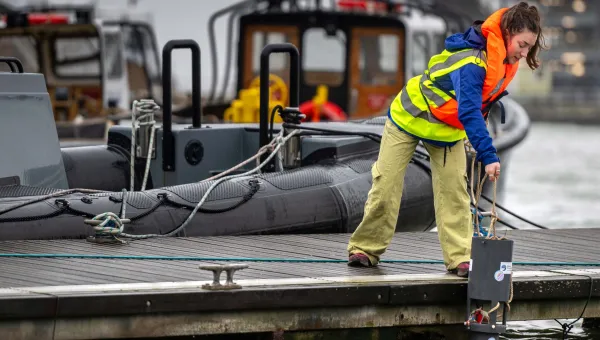
Where oceanography meets engineering to protect the oceans
Changing the way we measure ocean acidification.
-
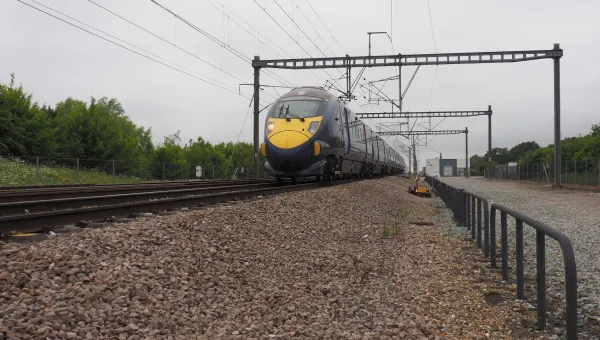
Advancing affordable rail electrification
Enabling UK rail infrastructure to become more sustainable.
-
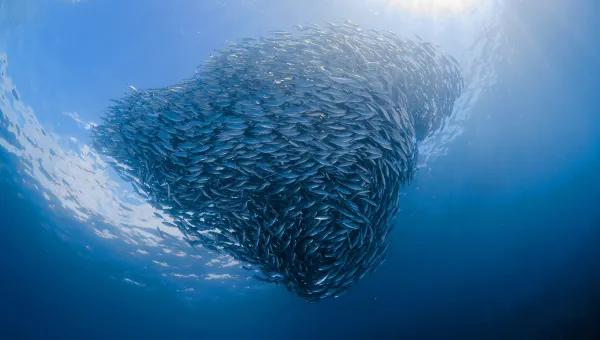
Promoting sustainable aquaculture
Researchers at Southampton are working with low-income fishing communities in India to promote sustainable fishing practices and protect biodiversity in the oceans.
-
The place to engineer fully immersive, next-generation sound
Southampton spin-out company Audioscenic is making waves by redefining how we enjoy sound as consumers of the entertainment industry.
-
Engineering resilient rail embankments
Future-proofing railway embankments from the impacts of climate change.
-
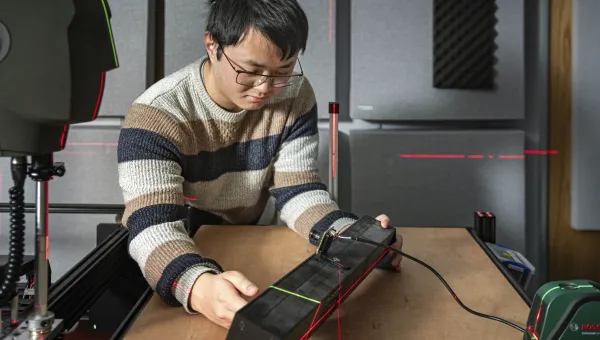
Monitoring rail track health with smart sensors
Sensors under railway lines provide crucial data to help tackle trouble spots, saving cash and carbon.
-
Insights from Mars transforming healthcare technology
Laser and light-based techniques lie behind both the search for life on Mars and accelerated drug discovery on Earth.
-
Autonomous ships tackle the high seas and climate change
Tests prove fuel cell vessels can cut shipping’s carbon burden.
-
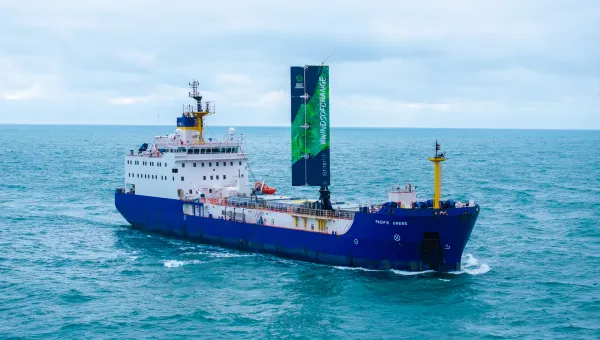
Cutting international shipping carbon emissions
Researchers from Southampton have coordinated sea trials of a 20-metre high wing-sail that could be fitted to large cargo vessels, cutting carbon emissions by a third.
-
Shining a light on neutron stars with string theory
Southampton research is pushing forward the frontiers of our understanding of the fundamental laws of nature by revealing insights into the interiors of neutron stars.
-
Applicable Resurgent Asymptotics: towards a universal theory. An Isaac Newton Institute Programme
An innovative Southampton initiative, that brought together mathematicians and theoretical physicists from around the world, is helping shed light on complex challenges in mathematics and physics.
-
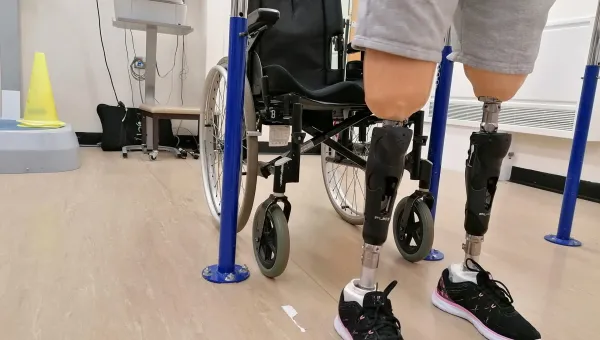
Southampton researchers develop technologies to make better artificial limbs for people in Cambodia
Data science and, computer-aided design informed by local needs and skills help academic team to do prosthetics differently.