Biomedical Research Facility

About the Biomedical Research Facility

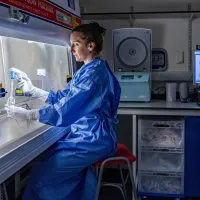
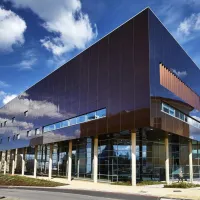
The Biomedical Research Facility (BRF) spans three sites at the University of Southampton, offering state-of-the-art experimental facilities, breeding colony maintenance and research support.

Animal experimentation underpins many Faculty of Medicine and School of Biological Sciences (SoBS) research projects, across a diverse range of subjects including:

  • cancer
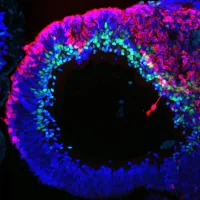
  • developmental biology
  • immunology
  • nutrition
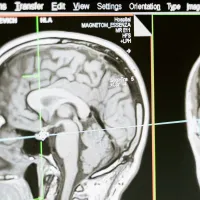
  • neurosciences
  • tissue regeneration
  • respiratory sciences

The BRF is central to the translation of discovery science at UoS, and at least 10 agents have entered clinical trials due directly to research conducted in the BRF. 

The work we do is governed by the Animals (Scientific Procedures) Act (1986), and under the authority of the University of Southampton’s Establishment Licence, which is regularly audited by the Animals in Science Regulation Unit from within the Home Office.

Our facility is fully staffed by dedicated animal technicians and a highly experienced management team including a Veterinary Surgeon and Compliance Officer.

We offer advice and assistance with:

  • obtaining project and personal licences
  • costing for grant applications
  • experimental design
  • ethical review
  • the conduct of experiments, including the provision of training in core techniques
  • experimental procedures

We breed over 50 transgenic mouse lines in our specific pathogen free (SPF) facility, to which all new lines are introduced by rederivation from embryos. We also offer sperm cryopreservation, storage and rederivation of frozen lines by in vitro fertilisation as a service.
Related research highlights

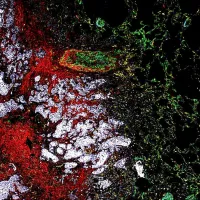
Improving cancer treatments through monoclonal antibodies

Our researchers are supporting the clinical development of anti-cancer monoclonal antibody treatments, to make treating certain cancers more effective than ever before.

Contact Us

Contact us

Related research groups

Antigen Processing and Presentation

The Antigen Processing and Presentation group investigates how the immune system recognises and responds to cancer, enabling a mechanistic understanding for the development of new therapies for patients.

Bone and Joint Research Group

We explore new technologies and treatments to promote the repair and regeneration of bones and cartilage.

Cell and Developmental Biology

We explore how molecular interactions between proteins and small molecules, defined at atomic resolution, govern biochemical output and in turn control cell behaviour.

Centre for Human Development, Stem Cells and Regeneration

The CHDSCR brings together researchers studying stem cells and development and ways to promote the regeneration of diseased or injured tissues. We aim to provide an environment where excellent scientists can make exciting discoveries for patient benefit.

Clinical Cancer Researchers

We are dedicated to advancing cancer diagnosis and treatment.

Clinical Neurosciences

Examining how clinical and environmental factors can affect brain development.

Dementia

We undertake innovative research into the causes of dementia, helping to develop and test new biomarkers and treatments.  

Infection

We explore pathogens causing infectious diseases of global importance. Our research involves understanding how pathogens interact with their hosts and using this information to develop new vaccines, antimicrobials and diagnostics.

Innate Immunity

The Innate Immunity research group conducts interdisciplinary research in the role of innate immune cells in human health and disease.

Molecular and Precision Biosciences

We research how molecular machinery governs cellular life, developing tools to tackle diseases caused when these molecular operations are disrupted.

Interdisciplinary Musculoskeletal Health

The University hosts a substantial interdisciplinary community of researchers working to transform musculoskeletal health across the life course.

Neuroscience

We work on national and global priorities of health and well-being, underpinning research in neuroscience, and age-related neurodegenerative diseases, including Alzheimer’s.

Tumour Microenvironment

We take a wholistic approach to researching the tumour microenvironment, bringing together expertise from diverse fields. Together we aim to make a truely positive impact on the lives of patience with cancer.