

About
Molecular interactions amongst biomacromolecules such as proteins, nucleic acids (DNA and RNA), carbohydrates and lipids are responsible for nearly every task of life. This includes how genetic information is read, replicated, repaired, catalysing biochemical reactions and maintaining cell shape and communication.
Our knowledge of what these interactions look like, how they lead to function, and when and where they are present is key to understanding biology. Just as importantly, as molecular bio-scientists we strive to improve detection and interrogation of these interactions at ever increasing precision; developing new technologies to understand biological questions in cancer, antimicrobial resistance, neurodegenerative disease, and vaccine development.
Our theme is excitingly positioned at discipline boundaries, our members interfacing chemistry, physics, and or computational and AI technologies with biology to achieve more detailed, more precise, and increasingly impactful insights into the molecular machinery governing cellular life, and death.
Our areas of interest
- Systems Biomedicine
- Structural Biology
- AI-guided Computational Biology
- Glycobiology
- Antibody Therapy
- Antimicrobial Resistance & Biofilms
- Neurodegenerative Disease & Cancer
- Natural Product Biosynthesis
- Cell Membranes
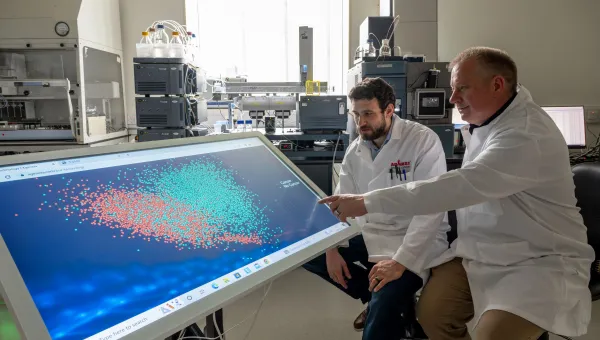
Transforming early cancer diagnosis
University of Southampton researchers are developing a new diagnostic blood test that uses biomarkers and artificial intelligence to predict multiple cancers at an early stage.
-

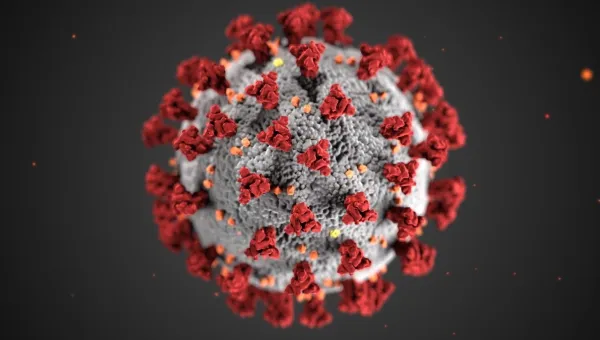
Helping diagnose and treat COVID-19 more quickly
When COVID-19 hit in late 2019, a worldwide fight to beat it began. Our biomedics have taken on the challenge to diagnose it quicker and treat it better - with promising early successes.
People, projects and publications
People
We cannot detect the molecular workings of cellular life with the human eye. Within this theme we utilize and develop ways to view the invisible, in order to demystify the parts they play in health and disease.