

A new era for the chemical industry
To sustain us moving forward, the chemical industry needs to transform into something more sustainable. Dr Dan Stewart, founder of Viridi and University of Southampton chemistry alumnus, shares his vision. (15 seconds)
The 'light bulb' moment
Ever since sixth-form, it’s always been chemistry, there has never really been another route for me.
I just love the mix of theory and physically doing experiments – that combination of thought and motion, of always progressing.
It was in my third year that everything changed for me, when the flare was lit. I took a sustainable chemistry module, taught by Robert Raja, Professor of Materials Chemistry and Catalysis, and I guess you could call it my ‘light bulb’ moment.
Make the problem part of the solution
I remember sitting in the back of the lecture theatre and realising that chemistry is the solution to a lot of the world's issues.
Robert talked about the chemical industry, this sort of inherently dirty industry that is tarred unfairly with the brush of unsustainability, but how it is its own solution – how we have the power to design more efficient, more sustainable processes that produce less waste, that are more selective for the molecules we want to make.
And I was hooked.
After I graduated, I got a PhD working for Robert and we decided to focus on converting waste carbon dioxide into polymers – long carbon chain molecules that make up the backbone of quite a lot of chemistry in the world.
My project focused on designing a solid catalyst that could be easily filtered out once it had helped convert waste carbon dioxide into new ingredients for everyday products such as shampoos and washing up liquid.
The sticky mess that's the gamechanger
Six months into my PhD, after a lot of trial and error and failed attempts, we had that eureka moment – the turning point that I still remember vividly to this day.
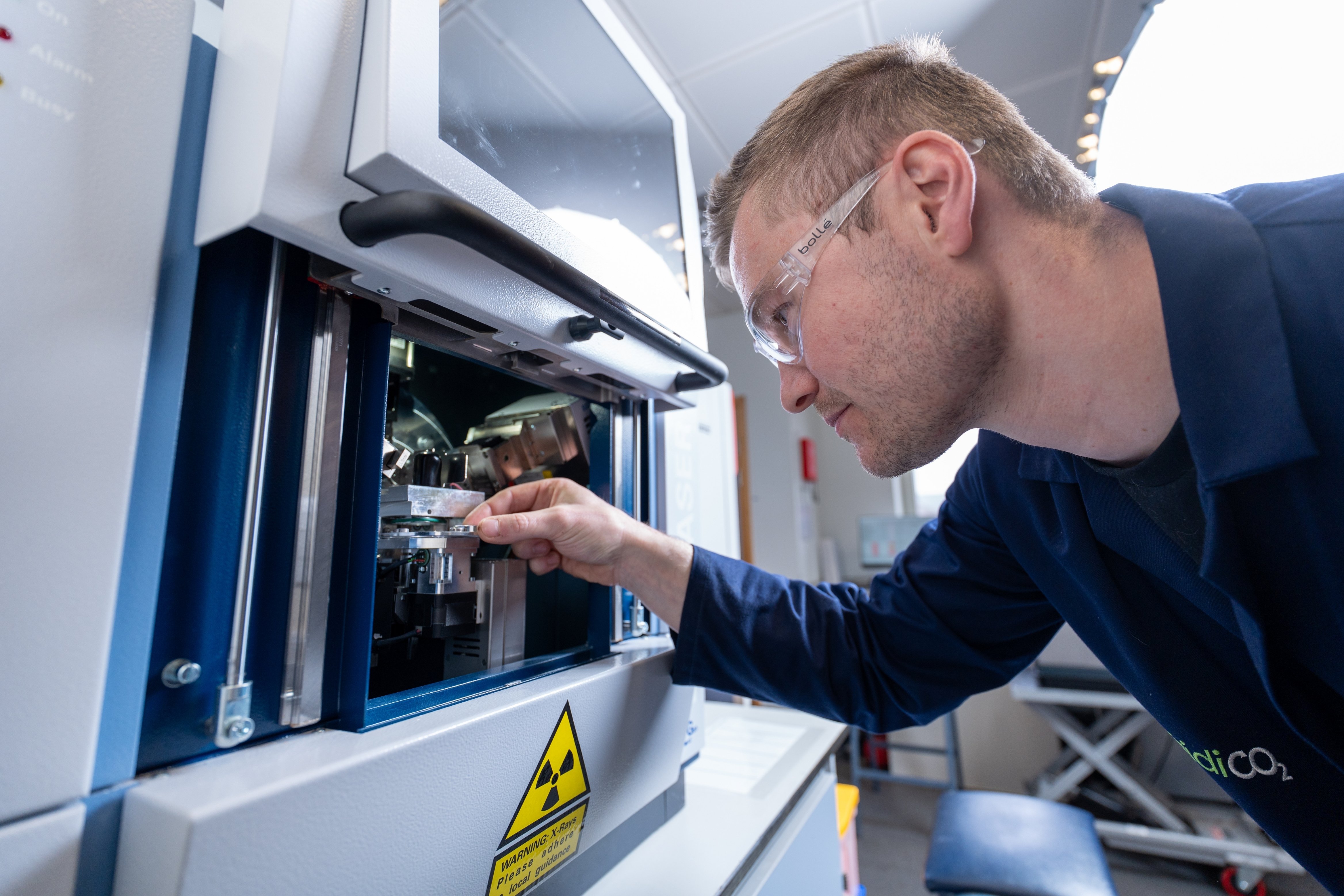
Using a steel reactor, we were flowing carbon dioxide into a mix of starting material and our catalyst with the aim of creating the feedstock for polyurethane – the foam that is used in car seats.
After 12 hours, when we took the bottom of the reactor off, we found what we now lovingly refer to as ‘goop’ – the raw polymer.
We had proven with one reaction that we can put carbon dioxide gas into the backbone of a polymer successfully. There was a lot of shrieking!
If commercialised and scaled up, we could take waste carbon dioxide and produce new products – the ultimate recycling.
It felt amazing to be a part of something so important.
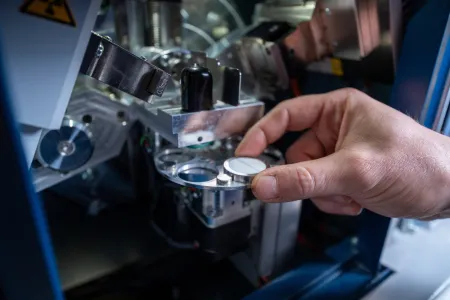
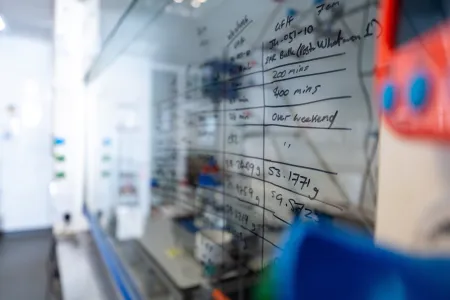
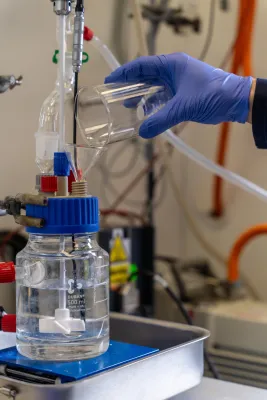
Our business model allows us to trial our process at increasing scales so that the technology can be useful for the big chemical manufacturers of the world who are making the ingredients for consumer products that we use at home.
From a world of safe to embracing risk
Viridi’s mission is to transform a legacy industry that's been doing the same thing for decades into one that is sustainable – one that can mop up its own mess.
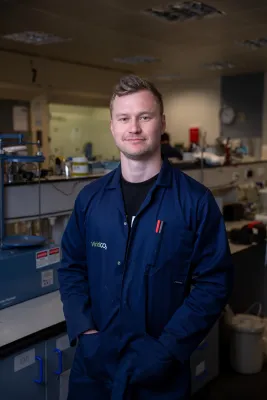
For me, the biggest challenge and change has been moving from being a chemist to a businessperson. Day to day, I am no longer the one doing the experiments and making discoveries.
Robert is co-founder of the business and sits as Chief Scientific Advisor, but as CEO, the buck stops with me. My decisions can make or break the company.
Don’t get me wrong, being the CEO and co-founder is incredible. It’s the best thing I've done and is the most enjoyable thing I've done so far in my life. But it’s also the most challenging and the most difficult job I've ever had, and it continues to be.
For Viridi to grow, I need to make some big decisions with limited data, which means there is a real risk of failure that could undo my entire vision and dream of my company.
The stakes get even higher because we now have 15 employees because my decisions directly affect other people’s lives.
The safety net of experience and advice
Robert remains my mentor, confidant and friend, who I can talk to about anything.
I have also built a group of advisors, board members and people in the industry who've been on this journey before that I can really bounce ideas off – it feels like my very own safety net.
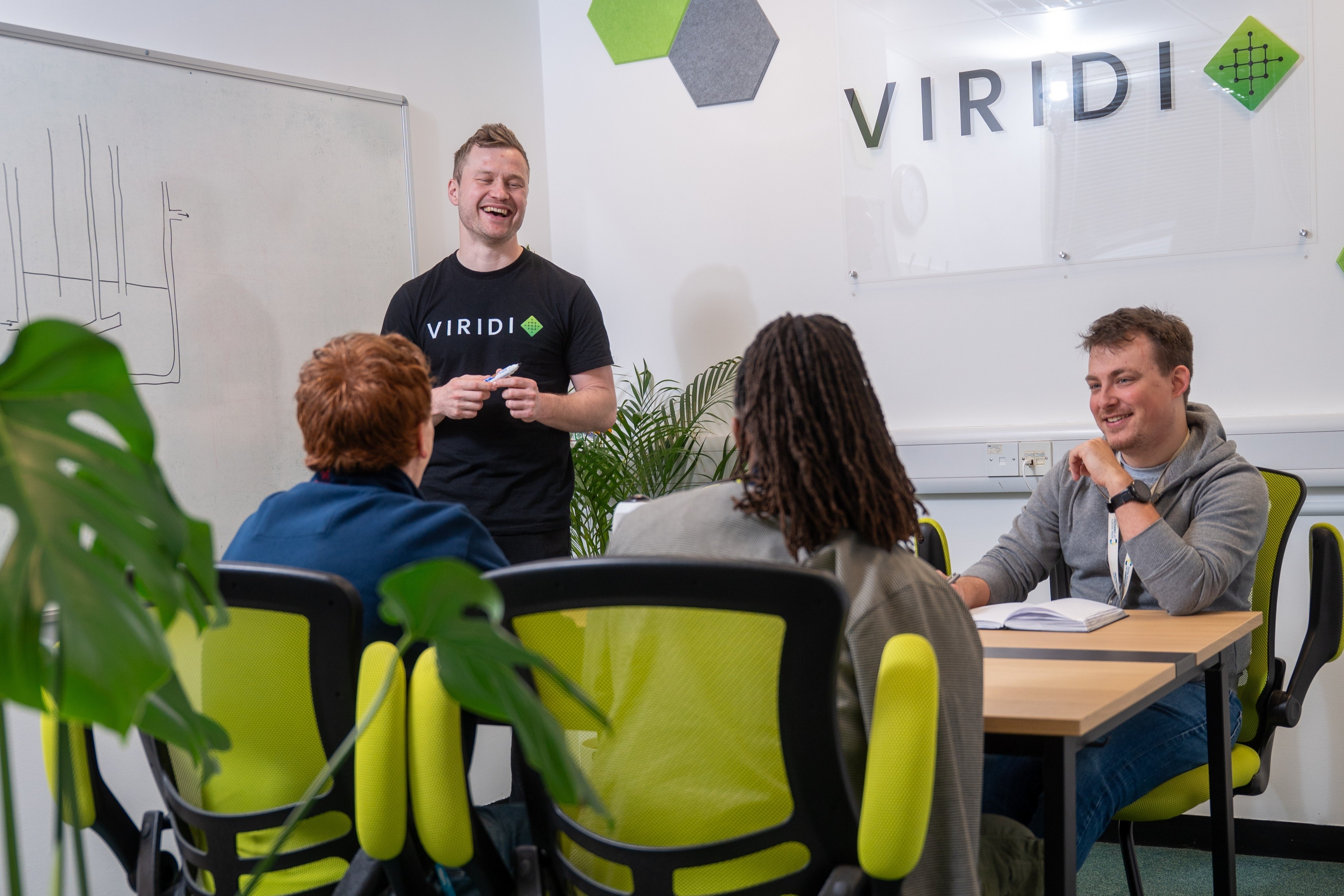
Our business model allows us to trial our process at increasing scales so that the technology can be useful for the big chemical manufacturers of the world who are making the ingredients for consumer products that we use at home.
This means we sign development agreements and then test and tune our technology to meet their needs.
The space to grow
Recently, we have signed and announced a deal with a very big German chemical manufacturer to develop cleaning products that are not only sustainable, but cheaper and perform better.
We're all very excited to see that go live.
And in order to collaborate and partner with these large global chemical manufacturers, we will need more and larger facilities, all over the world. So, watch this space.
Related courses
Courses that could enable you to follow in Dan’s footsteps include:
BSc Chemistry MChem Chemistry MChem Chemistry with Year-long Industry Experience MSc Chemistry MSc Chemistry by Research
Explore related pages
Read more of our people's stories
Enjoy the journey as well as the destination
Ideas sparked in the corridor, a culture of collaboration and problem solving. The destination to forge a prestigious career and make your mark.
From sci-fi to reality: a visionary tale
Imagination, creativity, determination and collaboration. We are using light to visualise the next breakthrough in disease detection and change lives.
Clothes that work harder – beyond the fashion statement
We see beyond fashion to e-textile garments that could give us back our independence after an injury or illness.


