

Changing the narrative
Understanding the past changes how we see it. Dr Samatha Ege reflects on the overlooked history of Black women in classical music. (15 seconds)
Defying traditional views
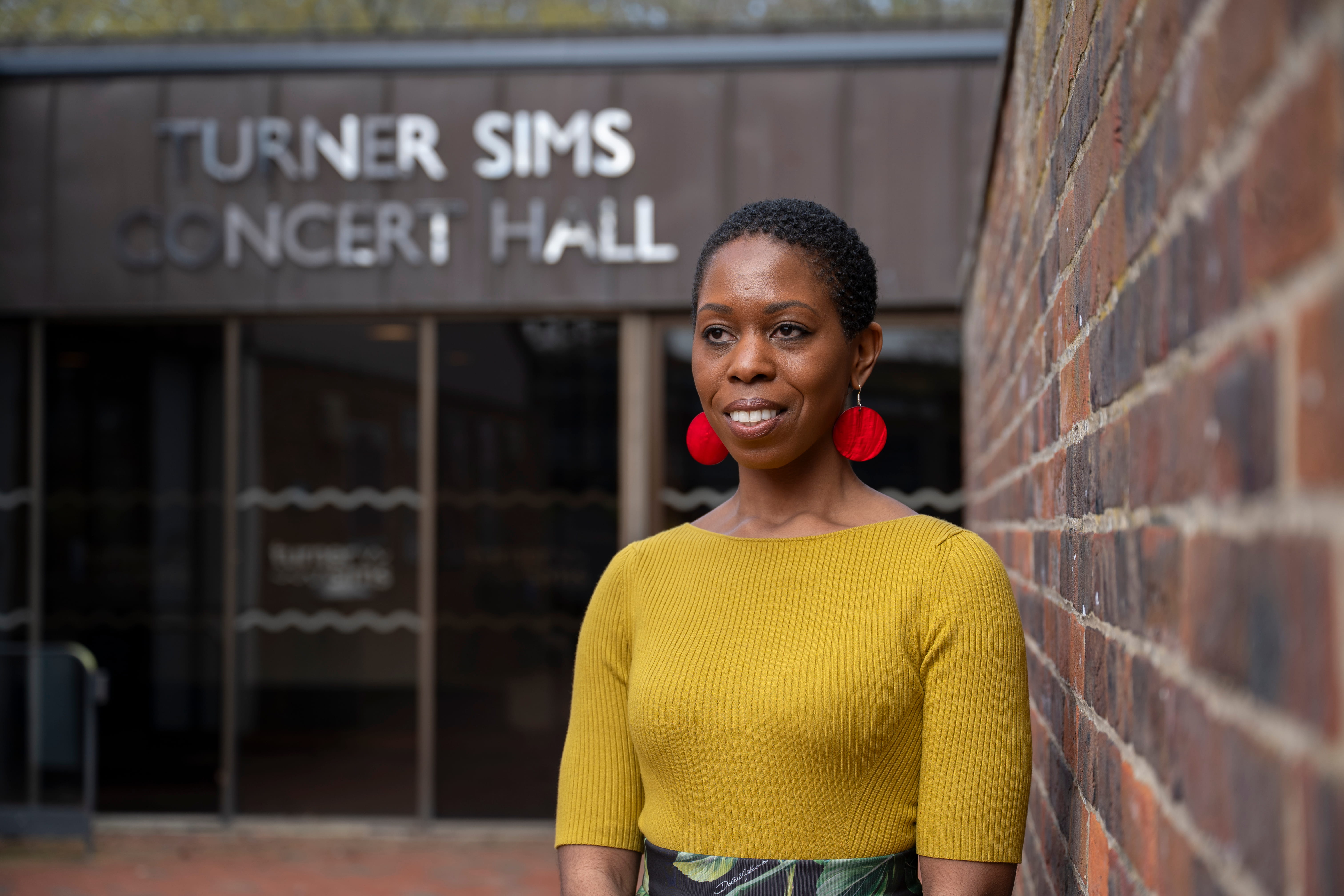
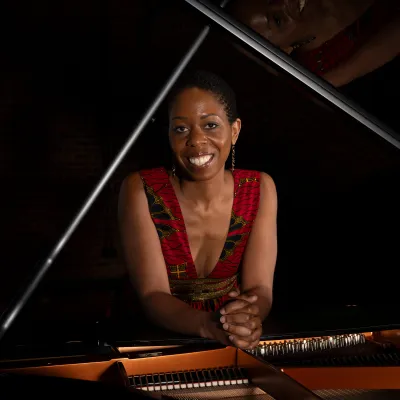
I guess you could say I am a pianist first and a music historian second, as I have been playing since I was 3. Music has always felt like a part of me – my other language, basically.
I believe that by being both, I get to tell the stories of these remarkable musicians in a unique way. Through my performances I reach different audiences, so my research doesn’t just stay in the academic world; it can be experienced by everyone.
A part of me reflected in this history
During my degree, learning that black women played a role in classical musical history was a turning point for me. For the first time, I saw a huge part of who I am reflected in this history. I'd never come across women of African descent in classical music before until that moment.
So, the natural next step for me was to explore this rich history by playing some of the music.
I actually became the pianist that I didn't know I was preparing to become.
I was able to tell the stories of the women that went before me, who laid the foundations for me to become the pianist I probably could never have dreamed of being.
Lift as we climb
As a performer, I play a lot of music by women, lots of 20th and 21st century music, and a lot by composers of African descent.
But the main composer that I've championed for the longest is Florence Price, both as a performer and musicologist. She was a Black American composer born in the late 19th century, who rose to prominence in the 1930s.
She's experiencing a revival now, which is really wonderful to see.
Through my research, I learned that there was a whole network of women around Florence – a caring community – trying to lift each other up through their music.
They developed a ‘lift as we climb’ ethos that contrasts with the traditional competitive view of classical music.
As a performer and especially as a soloist, it’s so competitive. You’re up against thousands of others playing the same repertoires – if they get the job, it means I don’t. So, to learn about this network where there's a completely different mentality – if you win, then I win – is so empowering. These ideals translate into how I operate professionally.
Expanding the musical universe
Sometimes people might think that my work is about doing away with tradition, doing away with the exclusivity of European male composers. But it’s not; it’s expanding that universe.
I don’t need to force a narrative of Black women in classical music because that history is already there. I am just giving it a voice.
Learning about all these amazing artists, whose music has shaped society in such a quiet and unassuming way has given me a lot of confidence as a pianist.
As a performer and especially as a soloist, it’s so competitive. You’re up against thousands of others playing the same repertoires – if they get the job, it means I don’t.
So, to learn about this network where there's a completely different mentality – if you win, then I win – is so empowering.
These ideals translate into how I operate professionally.
Musicology – an immersive experience
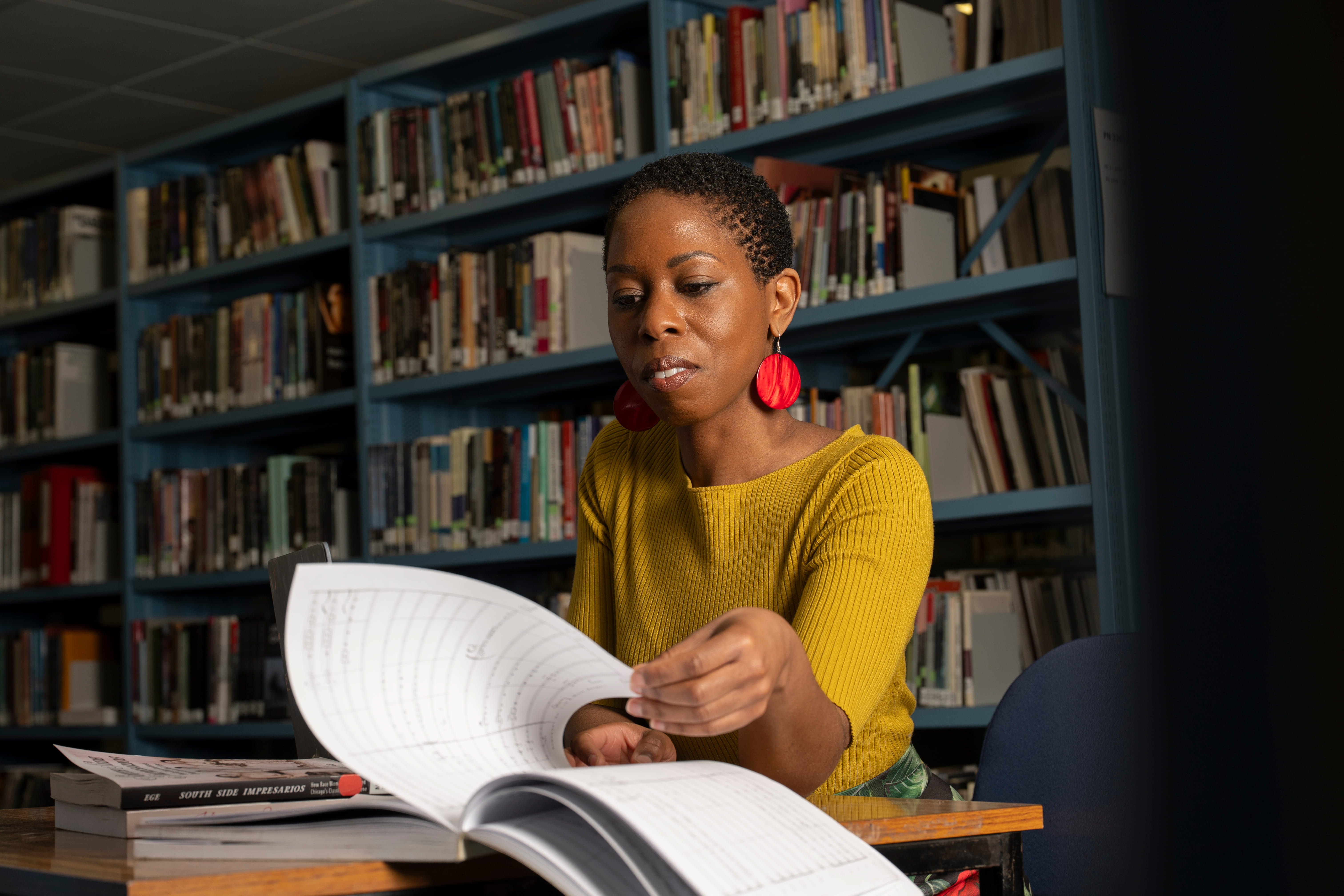
With my work, it is so important to me to immerse myself in the world of musicians I am studying. With Florence Price, I went to Chicago, Illinois, where she was from, and read the manuscripts written in her hand – I literally touched that history.
And it sparked an interest in dealing with those primary sources.
I think to be a musicologist, it is so important to learn directly from the source, to go through the archives and primary resources to get as close to your subject as possible.
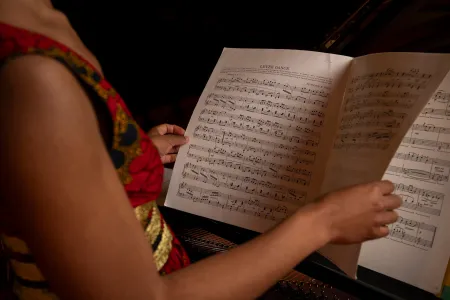
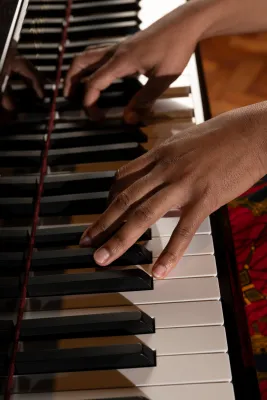
And when I perform their music, I know that my fingers are going into the same configurations on the keys and enacting the same movements that their fingers did.
And there's a real personal connection that defies the way that we're supposed to think about research and scholarship, through very practical means.
Engaging with multiple audiences
Throughout my career, I've written for the New York Times twice, The Guardian twice, and the New Statesman. I've done interviews with the Washington Post and NPR, presented the BBC Proms, and been involved in lots of documentaries.
Academically, I have published books, written extensively about these musicians, and of course played their music in concerts.
It’s important to me to find these different avenues to share their music and to find different ways of communicating it as well, because that's a skill in itself.
I think my story is about being proactive, not just as a historian but by being and making the history as I go along.
There's no manual for how to do that. You must make mistakes, trust your instincts, and figure it out.
But the amazing thing is that once you start on that journey, you realise that there are other people with a similar vision willing to take that ride with you.
Related courses
Have you been inspired by Samantha’s story? Learn more about musicology on a range of undergraduate and postgraduate courses:
BA Music MMus Music (Composition) MMus Music (Education) MMus Music (Musicology) MMus Music (Performance)
Read more of our people's stories
From chemistry to business: a CEO’s story
The vision: transform the chemical industry. From white sticky mess to gamechanger – recycling waste carbon dioxide into high-value chemicals.
Enjoy the journey as well as the destination
Ideas sparked in the corridor, a culture of collaboration and problem solving. The destination to forge a prestigious career and make your mark.

From sci-fi to reality: a visionary tale
Imagination, creativity, determination and collaboration. We are using light to visualise the next breakthrough in disease detection and change lives.


