

Changing oceans
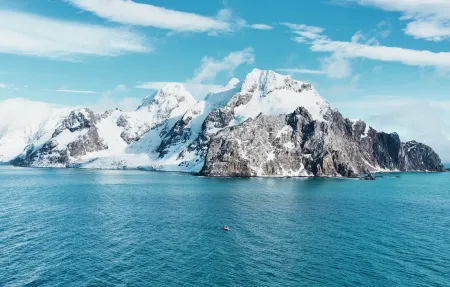
Understanding our changing oceans matters. Professor Mark Moore joins scientists across the globe in the Southern Ocean to study how heat and carbon move around our planet. (15 seconds)
Finding the answers
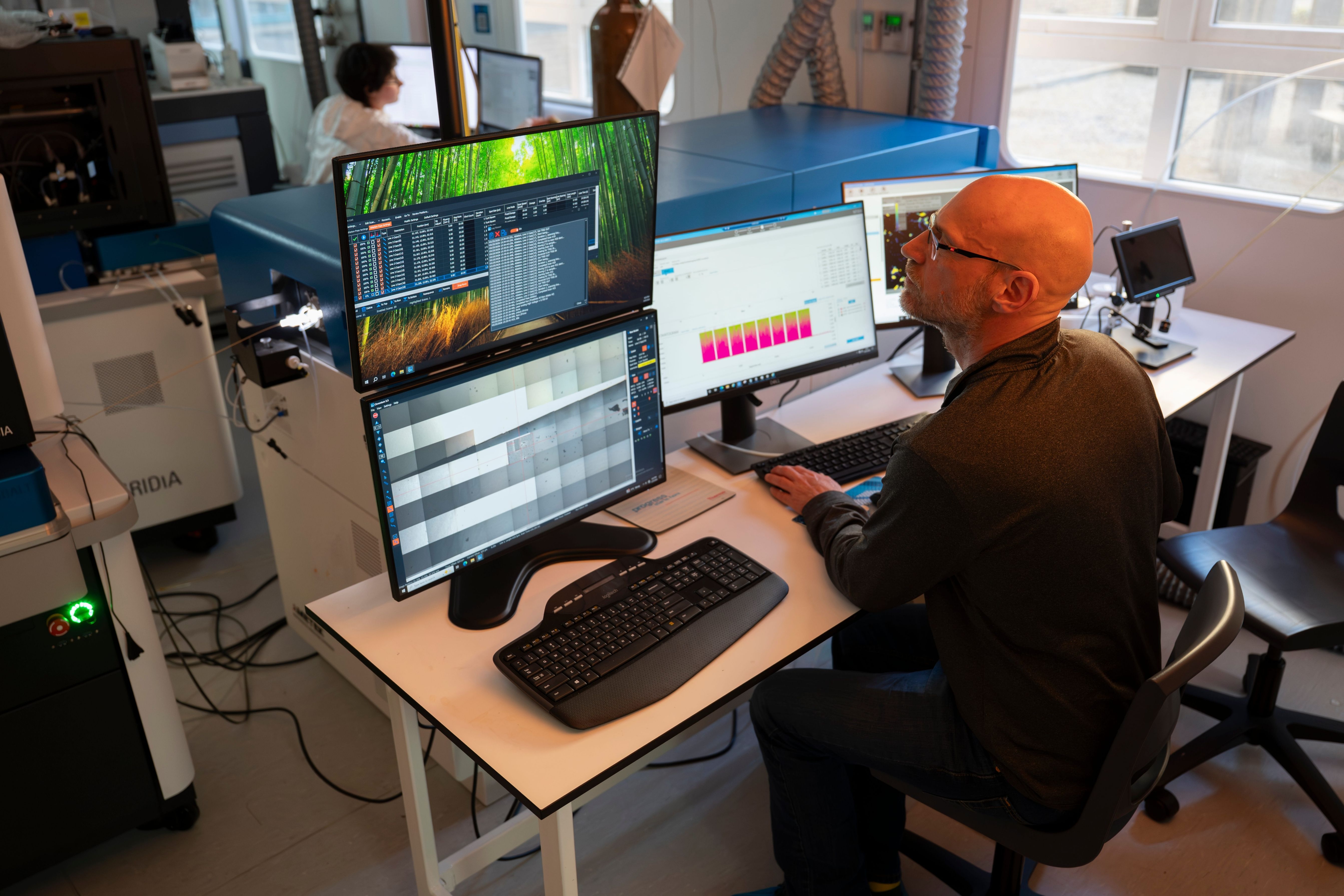
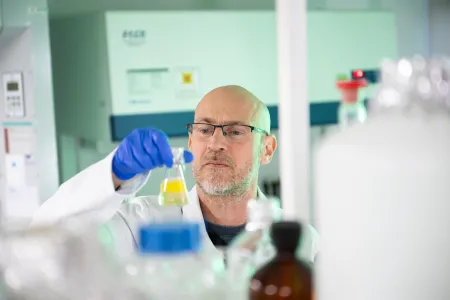
Mark Moore, Professor of Oceanography, and Tom Bibby, Professor of Biological Oceanography, have recently been to the Southern Ocean on the RRS Sir David Attenborough to better predict how our planet will respond to climate change.
From the smallest microorganisms to whole ecosystems, living things interact with the physical and chemical systems of our planet, moving essential elements like carbon and influencing both climate and ecosystems.
“Much of this work is driven by microorganisms, such as phytoplankton. These tiny, single‑celled organisms power photosynthesis and respiration at a planetary scale, playing a central role in how carbon and nutrients cycle through the Earth system,” says Mark.
“We study these processes, often starting with individual organisms in the lab, to build a deeper understanding of the biological foundations of climate, sustainability and life on Earth.”
The unseen heavy lifters
The oceans quietly do much of the heavy lifting in the climate system.
They absorb around a third of the carbon dioxide released by burning fossil fuels, along with more than 90% of the additional heating that is a result of the remaining excess of carbon dioxide in the atmosphere.
At the heart of these processes lies the Southern Ocean, our planet’s largest reservoir of heat and carbon uptake.
Each year around Antarctica, some of the biggest seasonal changes on Earth occur. Alongside sea ice freezing and melting there are massive summer blooms of the phytoplankton that contribute to shaping how carbon moves through the ocean and the atmosphere.
Working with colleagues from across the UK and internationally, projects of the type Mark and Tom are undertaking ultimately enable these Southern Ocean processes to be more accurately captured by climate models making them more useful.
“The cruise itself involves people from the Universities of Liverpool, Plymouth, East Anglia and Southampton from the UK, as well as international collaborators,” says Tom.
This vital work allows our scientists to strengthen the projections policymakers depend on to plan, mitigate and adapt to climate change.
Sharpening our climate models
Onboard the RRS Sir David Attenborough, Mark, Tom and colleagues were digging into the biological and chemical forces that lock carbon away in the Southern Ocean.
As carbon and nutrient-rich deep seawater rises near Antarctica, it meets the atmosphere and sunlight where it is used by the ocean’s smallest lifeforms known as phytoplankton to grow. The extent to which phytoplankton grow and ultimately sink back into the deep ocean has a strong impact on the amount of carbon that remains in the atmosphere.
By getting closer to how these microorganisms influence this cycle, the team aims to sharpen the climate models we rely on, turning fundamental science into clearer insight into our planetary future.
Our job as scientists is to inform the policymakers how the system operates, refine our data and models, and predict what the likely consequences are for our species and the planet as a result of our action. Our work can then be used to spark those incremental changes that will build slowly to see a new sustainable energy infrastructure and better mitigation of the impacts of the old.
Joining the dots, predicting the change
This research expedition called Iron Man explored how essential trace nutrients, particularly iron and manganese, shape life in the Southern Ocean. These micronutrients are critical for photosynthesis, yet their supply to the Southern Ocean is likely to change as the climate warms.
“Studying how these nutrients cycle through the ocean today, we can see how marine productivity responds, and use that insight to predict what might happen in a future ocean,” says Tom.
“We know changes in nutrient supply have played a powerful role in past climate cycles, so understanding these processes in today’s ocean helps us better anticipate how the planet’s systems may shift in the decades ahead.”
A research culture enabling seismic change
The collaborative spirit on the research cruise is reflected in the ethos and culture of Southampton.
“I think that's one of the key characteristics of oceanography – many problems are so big and complicated, you can't solve them as an individual,” says Mark.
“Ultimately such large-scale projects will be needed to make the required seismic societal change,” explains Tom.
“There's a huge infrastructure that our civilisation has built to take carbon out of the ground and turn it into energy that we use; just think about the number of oil tankers and refineries moving and processing all that material,” he adds.
Replacing that infrastructure and understanding and mitigating ongoing impacts is inevitably going to be a similar-scale challenge, and it’s vital we have the knowledge and understanding of the Ocean in place to best manage this change.
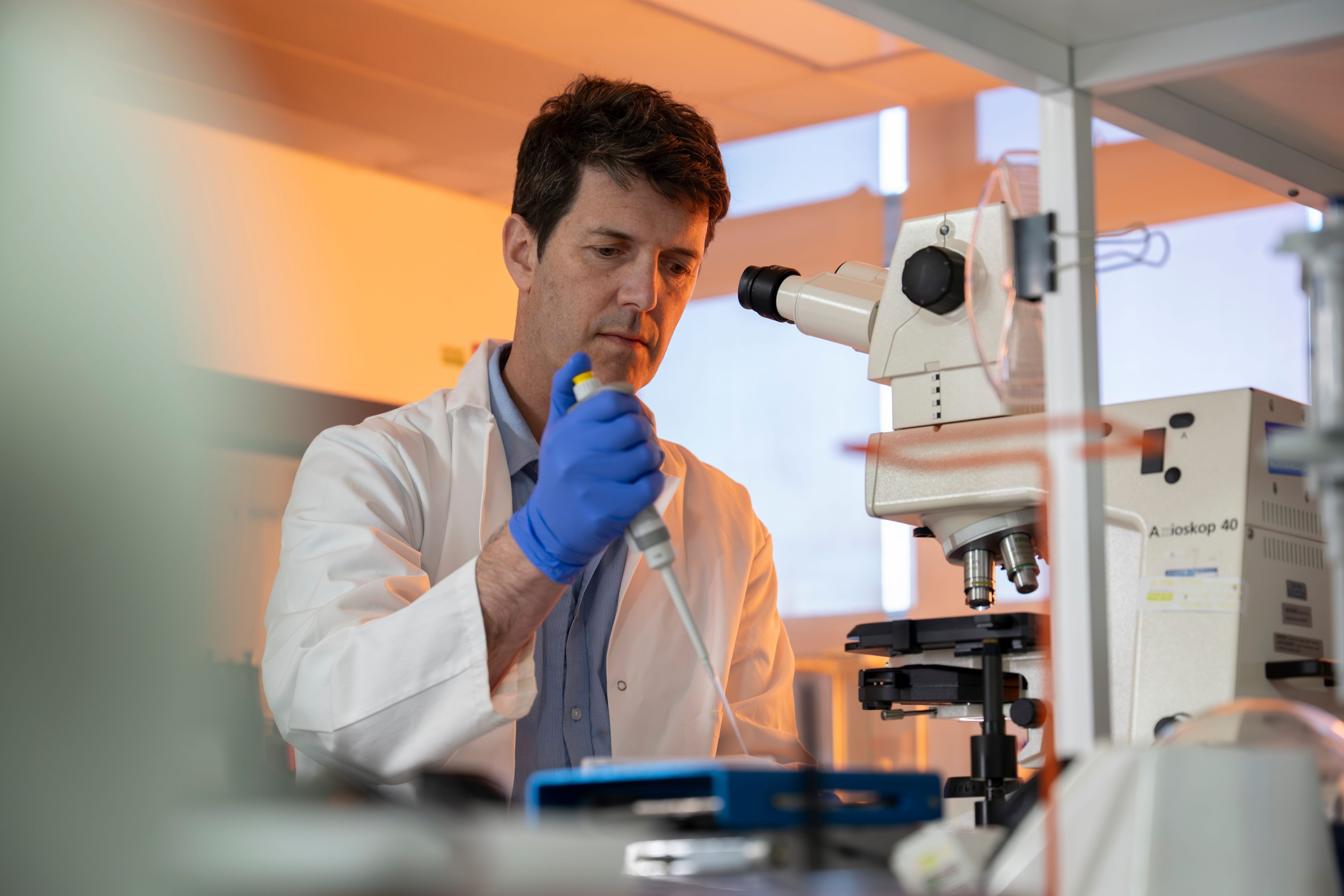
Change that seems impossible – where do you start?
“Our job as scientists is to inform the policymakers how the system operates, refine our data and models, and predict what the likely consequences are for our species and the planet as a result of our action,” says Mark.
“Our work can then be used to spark those incremental changes that will build slowly to see a new sustainable energy infrastructure and better mitigation of the impacts of the old.”
Related courses
Mark and Tom teach on a range of undergraduate, postgraduate taught and research courses:
BSc Marine Biology MSc Marine Biology BSc Marine Biology with Oceanography BSc Oceanography MSci Marine Biology with Oceanography MSci Oceanography MSc Ocean and Earth Science by Research
Read more of our people's stories
In the face of adversity, some things don’t change
When Becca’s world turned upside down after meningitis and sepsis, her determination to become a doctor remained constant.
From digital divide to a healthy balance sheet
A fascination with puzzles, the ethos that small changes create a ripple effect and the need for truly accessible digital finance.

The harmony made when research and performance collide
Rebalancing the narrative of how music influences culture; exposing new audiences to African American women’s compositions through live performance.


