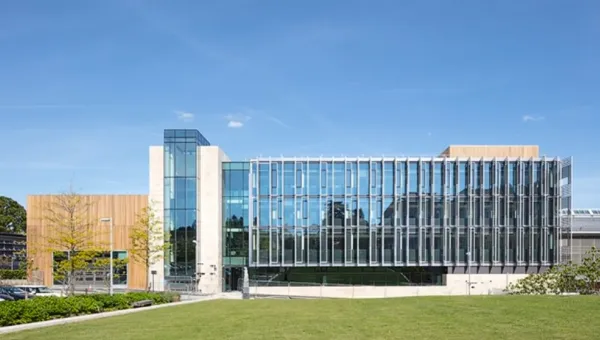
Department of Civil, Maritime and Environmental Engineering
Our work spans urban and rural development, coastal and maritime engineering, low carbon energy systems, and infrastructure networks for transport, energy and water. We deliver accredited degree programmes and doctoral research and collaborate closely with industry, government, and global partners.
About the Department of Civil, Environmental and Maritime Engineering
Our department is part of the School of Engineering, one of the largest and most research active engineering communities in the UK. We're a group of more than 500 members of staff and students at undergraduate and postgraduate levels of study.
We lead education and research across the onshore and offshore environments, developing sustainable solutions to major societal challenges related to infrastructure, energy, water, and transport.
As part of Engineering, we ranked 4th in the UK for research power in the 2021 Research Excellence Framework. Examples of our research impact includes:
The Department of Civil, Maritime and Environmental Engineering Sciences have the skills and expertise to translate university-developed research into solutions for industry, government, and society.
We have long-term partnerships with major industrial organisations, such as Network Rail and HS2, and we support small businesses with rapid, flexible research projects informed by the lastest expertise. Our Future Towns Innovation Hub hosts community collaboration for health and prosperity.
Our work is informed by real world data, drawn from open sources, or gathered by our own remote global projects, where sensing systems are embedded in buildings, on structures and infrastructure, or buried underground.
Our teaching
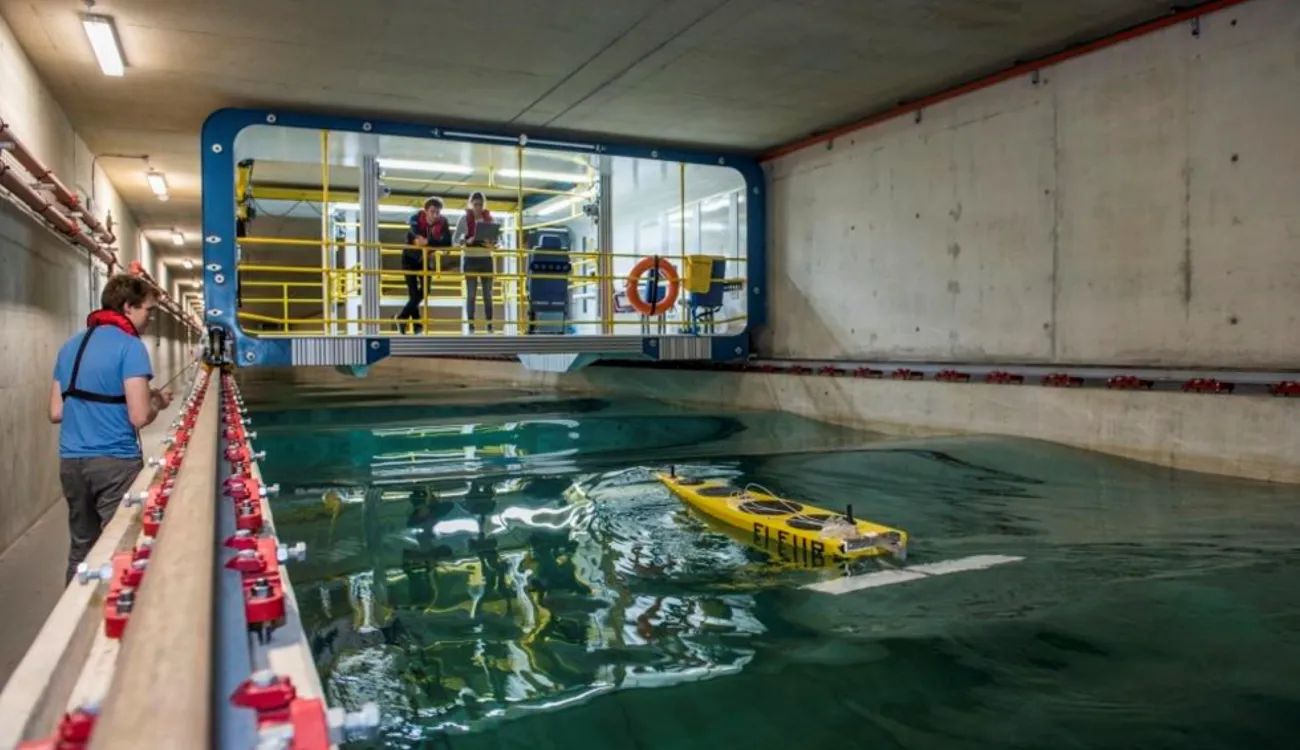
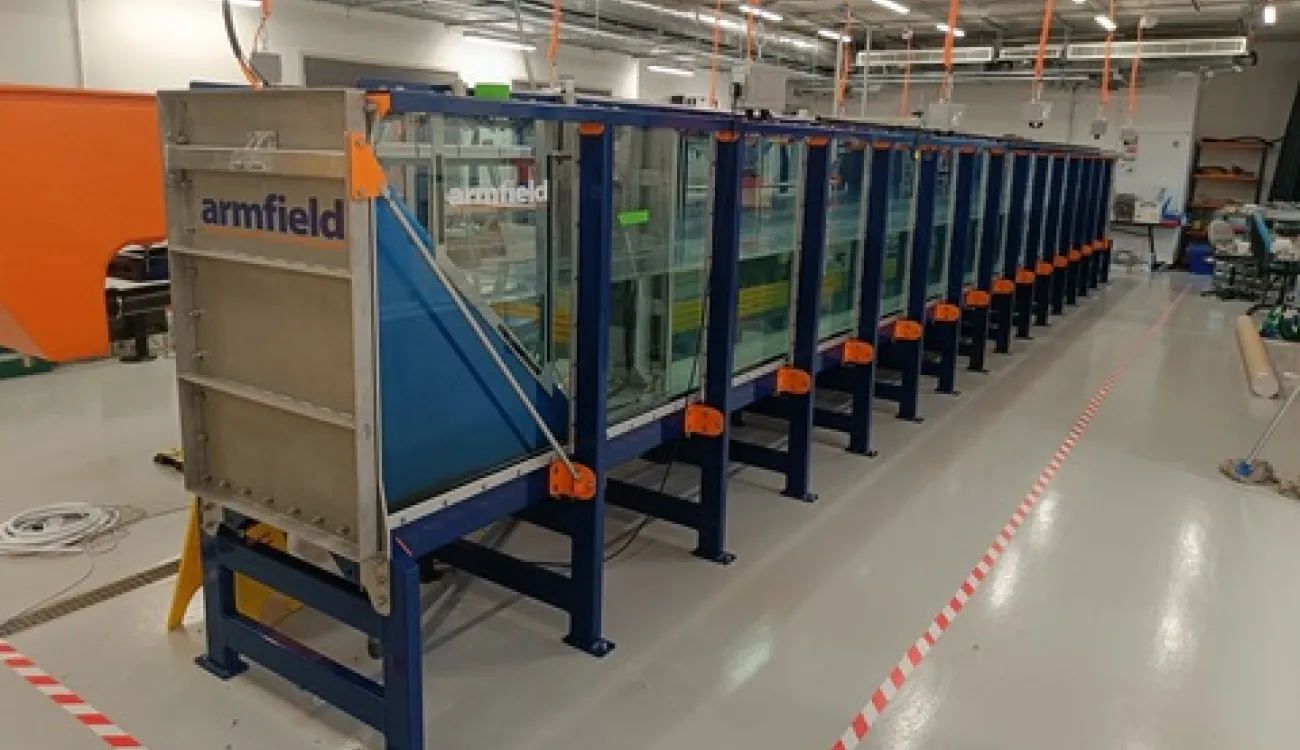
We teach a range of undergraduate and master's courses, as well as offering research degrees. Students have access to extensive facilities including the National Infrastructure Laboratory, our driving simulator, the UK’s longest university towing tank, and a range of flumes to simulate hydrodynamic processes. Students take part in UK and global projects using real, working energy technologies.
We were awarded a Queen Elizabeth Anniversary Prize for Education in 2025
Show more
Facilities
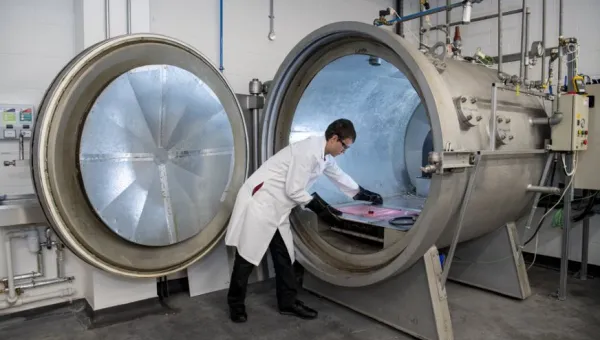
The department's laboratory facilities are busy serving the needs of students, researchers, and industry, with hundreds of users each year. We have advanced facilities for data-rich testing at a range of scales, from a material element to a full structure.