Meet the team
Our scientists lead the way developing anti-cancer vaccines in the University’s Somers Building. We work closely with scientists in other areas of the Faculty of Medicine, the WISH lab and the Institute of Life Sciences, based at the University’s Highfield campus.
Here we highlight some of the people at the forefront of this exciting area of cancer research, based within the Centre for Cancer Immunology.

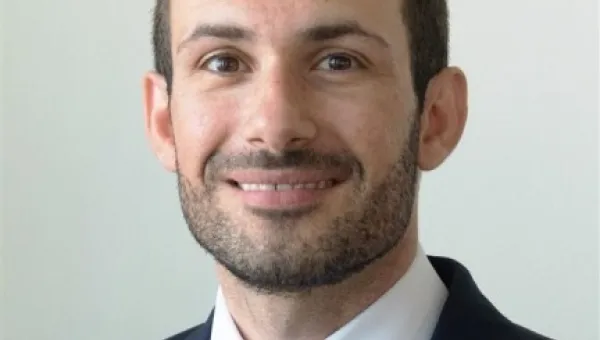
Aymen Al-Shamkhani, Professor of Immunology
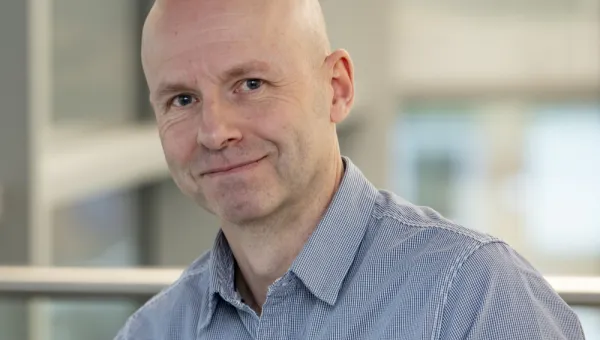
Prof Al-Shamkhani is interested in anti-cancer T cell responses and antibody therapeutics. His group investigates co-stimulatory receptors and signalling pathways that regulate T cell activation and differentiation into effector and memory cells, with a focus on developing strategies that promote anti-tumour immunity.Stephen Beers, Professor of Immunology and Immunotherapy
Prof Beers leads a group studying antibody drugs and their mechanisms of action. The group is currently focussed on two main areas: the mechanisms of action of immunomodulatory mAb; and how the tumour microenvironment affects antibody effector function. They look into how this might be manipulated to enhance patient outcomes.
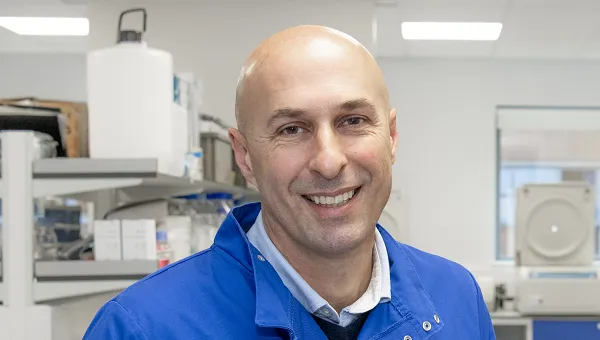
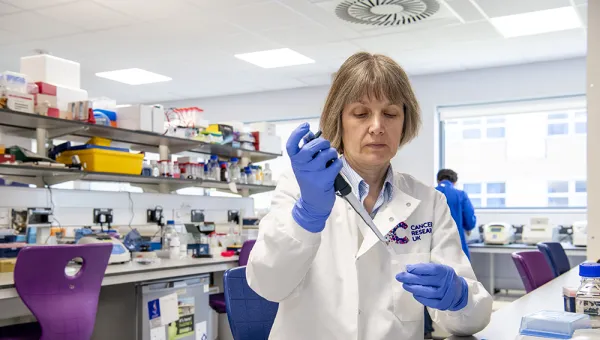
Charles Birts, Lecturer in Antibody Therapeutics
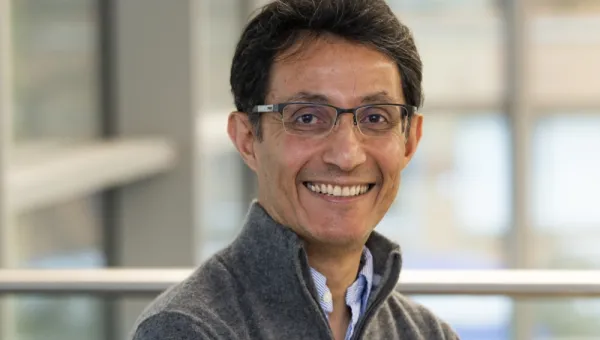
Dr Birts’ research is focused on developing antibody-based therapies for targeting breast cancer. He aims to understand the role of cell-surface glycans in the breast tumour microenvironment and the development of secondary breast cancers. He investigates how diet and nutrition affects immune cell function within the tumour microenvironment to learn how we can use metabolic intervention to improve patient responses to antibody-based therapies.Yury Bogdanov, Lecturer in Transgenic Technologies
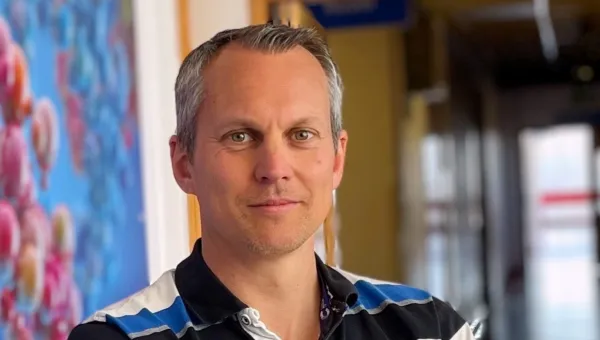
Dr Bogdanov's group focuses on the role of GABA receptors in immune system function. GABA is a small molecule that acts as a major inhibitory molecule in the central nervous system. It is also found in various organs and tumours. The current hypothesis is that it represents an important part of tumour immunosuppressive microenvironment. His group aims to develop strategies to augment current immunotherapy approaches with GABA receptor modulators to achieve better anti-tumour response.
Matthew Carter, Senior Research Fellow
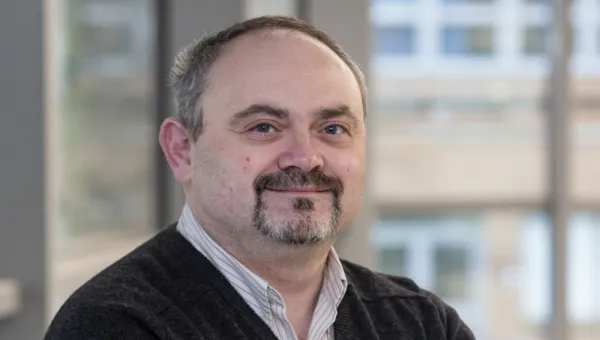
Dr Carter focuses on the impact of tumour hypoxia on immunostimulatory and direct-targeting monoclonal antibody (mAb) therapies for cancer. By targeting the abnormal tumour vasculature and other hypoxia-associated features, his group aims to enhance immune activity within tumours, overcome mechanisms of mAb resistance, and develop optimal combination therapy strategies. His work spans molecular cell biology and immunology, integrating fundamental mechanistic insights with translational approaches to enhance efficacy and improve outcomes.Mark Cragg, Professor of Experimental Cancer Research
Prof Cragg’s main research focuses on antibody immunotherapy. He investigates how antibody therapeutics redirect and activate immune cells to attack cancer cells. He works to develop new strategies to overcome resistance to these treatments. His group has done work to understand and modulate Fc gamma receptors on immune cells to improve antibody therapy and develop immune stimulatory antibodies.
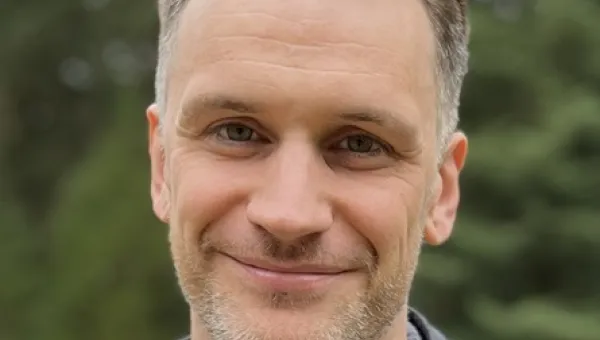
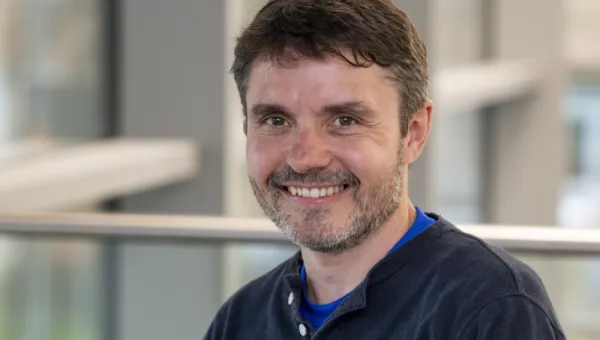
Juliet Gray, Professor in Paediatric Oncology
Prof Gray is a member of the NCRI Children’s Cancer and Leukaemia CSG Neuroblastoma Subgroup, the SIOP European Neuroblastoma Research Network and the UK Children’s Cancer and Leukaemia Group (CCLG) New Agents Group. She is the CCLG Clinical Trial Lead for the Southampton Paediatric Oncology Centre and Chair of the Southampton Paediatric Chemotherapy Group.Gareth Griffiths, Director of the Southampton Clinical Trials Unit
Prof Griffiths researches clinical trials. He works with researchers from around the UK developing and conducting clinical trials in immunotherapy. These trials range from first-in-human phase 1 trials to determine new immunotherapy doses to phase III practice changing III trials, in a variety of cancers.
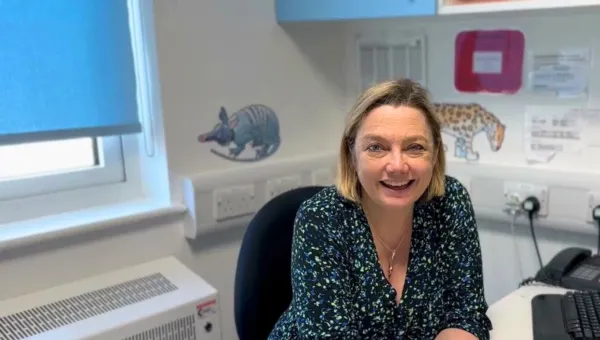
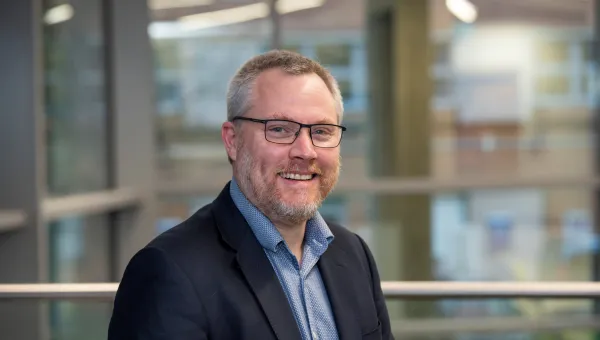
Edd James, Professor in Cancer Immunology
Prof James’ main research focuses on understanding the role of antigen processing and presentation in generating immune responses. This supports key aspects important in developing new cancer immunotherapies such as cancer vaccines, identification of cancer antigens and inducing anti-cancer T cell responses.Peter Johnson, Professor of Medical Oncology
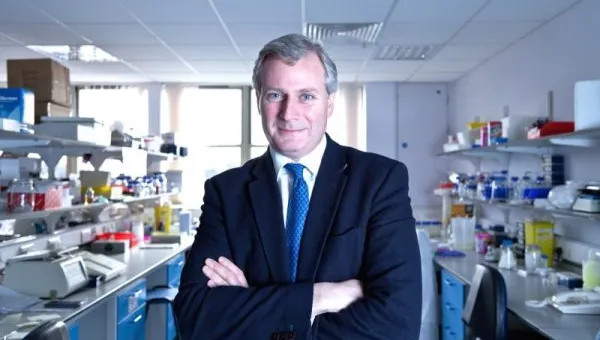
Prof Johnson researches antibody treatments for cancer, especially malignant lymphoma. He wants to increase understanding of how to make lymphoma recognisable to the immune system and how to take new types of treatment from the lab to the clinic.
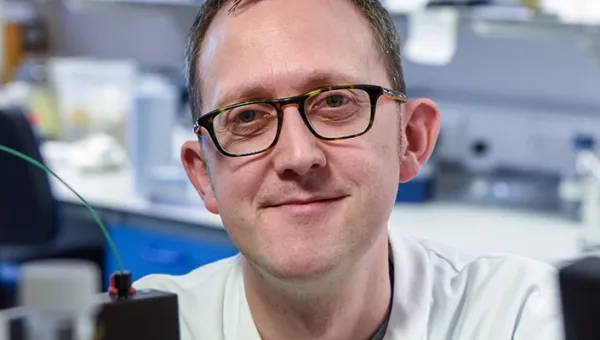
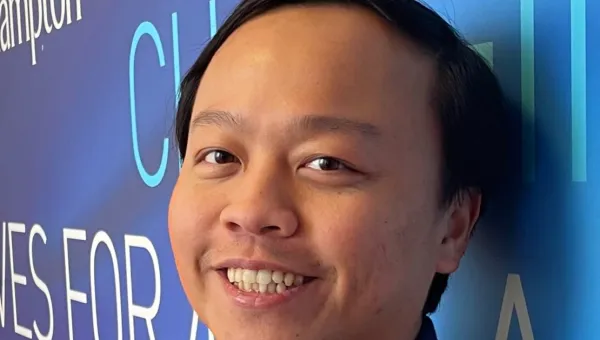
Lam Khuat, Senior Research Fellow Gould Fellowship
Allogeneic haematopoietic stem cell transplantation (HSCT) is a cancer immunotherapy that induces the graft-versus-tumour effect. It can be difficult to find suitable donors. It can damage a patient’s normal tissues due to immunological attacks by alloreactive donor-derived T cells - graft-versus-host disease. Dr Khuat aims to understand how clinically relevant factors, including obesity, ageing, the microbiome, and inflammatory responses, affect outcomes following HSCT. His work provides insight into the interplay between host microbiome/metabolism, immune regulation, and therapeutic response.Sean Lim, Professor and Honorary Consultant in Haematological Oncology
Prof Lim’s laboratory focuses on developing and accelerating new cancer immunotherapy approaches into clinic. In particular, she is interested in how T cell stimulation with agonistic antibodies can be exploited to enhance the efficacy of current tumour-targeting antibodies.
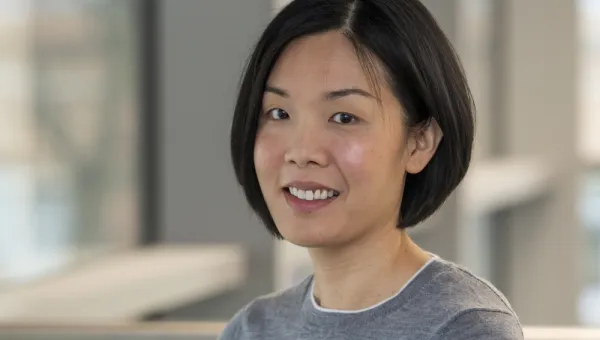
Jemma Longley, Clinical Lecturer
Dr Longley is a medical oncologist at UHS with a specialist interest in gynaecological malignancies and a clinical lecturer in Cancer Sciences. Her PhD investigated microRNA manipulation of macrophage polarisation within the tumour microenvironment. Her research has shifted to investigating microRNAs as biomarkers in early detection strategies. She is chief investigator of the VIOLET study, which develops a community based multi-cancer early detection tool for women with any gynaecological cancer using biomarkers in vaginal fluid.Raimund Ober, Professor of Imaging and Biomedical Engineering
Prof Ober’s research interests are the development and application of engineering principles to problems in molecular/cellular biology, cancer therapeutics and immunology. Of particular interest is the development of new microscopy techniques and single molecule microscopy approaches.
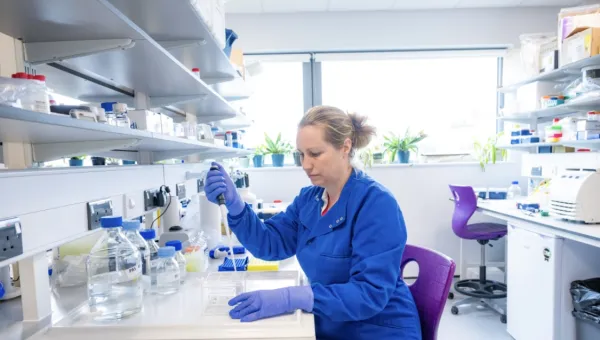
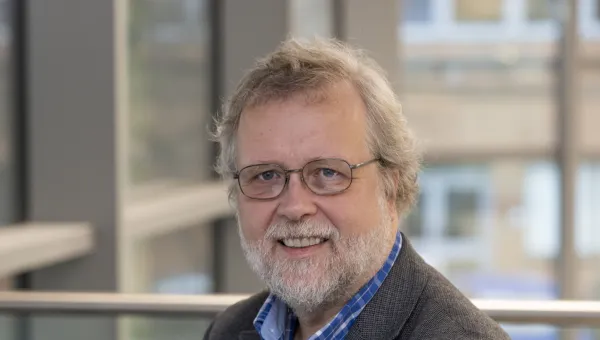
Emma Reeves
Lecturer in Cancer ImmunologyAli Roghanian, Associate Professor in Cancer Immunotherapy
Dr Roghanian focuses on understanding mechanisms of tumour-mediated immunosuppression and the application of targeted therapies in novel humanized mouse models of human cancers to promote effective anti-tumour immunity.
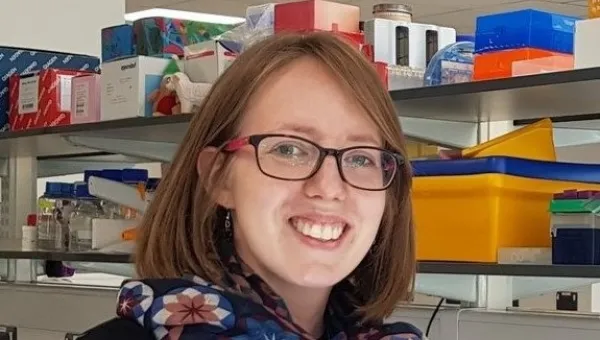
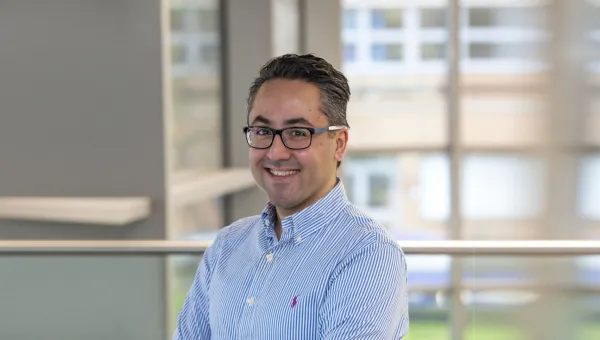
Constantinos Savva
Associate Professor of Medical OncologyStephen Thirdborough, Senior Fellow in Systems Biology
Dr Thirdborough is a computational immunologist with extensive experience of applying omics data analytics and network inference to systems modelling. His main research focuses on topological analyses of tumour networks in order to advance our understanding of the link between cancer metabolism and immune evasion.