

About
Optical fibres lie at the very heart of modern society, providing the information superhighways required within our global communication systems. The first demonstrations of light guidance within an optical fibre took place in the early 1960’s, yet as the result of much ingenuity and sustained funding by the telecommunications industry, within little over 30 years the transmission capacity of a single fibre has been increased from just the few kbit/s required for a single telephone link to over 10Tbit/s – sufficient bandwidth to support more than 250 million simultaneous telephone conversations, or more than 100,000 broadband connections operating at 10Mbit/s.
The development of low loss fibre and the erbium doped fibre amplifier (both pioneered at Southampton), has seen the elimination of attenuation as the primary limitation to transmission, allowing high capacity data transfer over transcontinental distances.
Research into fibre technology has been a critical enabler to the past development of communication systems, and continued effort will be required to develop the core, metro and access networks of the future needed to deliver exciting new high bandwidth applications such as high definition TV, interactive gaming, and video-on-demand directly via fibre to the subscriber premises. There has clearly been a massive investment in optical fibre telecommunications technology over the years. Major breakthroughs have been made in manufacturing processes, as well as in both component and system concepts and there is now a growing worldwide interest in exploring how different aspects of this exciting technology can be used in other areas of major scientific and industrial significance.
The Fibres and Communications Division of the Optoelectronics Research Centre is led by Professor Periklis Petropoulos. Its role is to develop the fibres, fibre devices, and system concepts required for next generation telecommunication systems, and to investigate new applications of the technology in areas beyond telecommunications including amongst others: high power lasers, industrial materials processing, aerospace, biology, sensing, nonlinear optics and fundamental physics.
The Division’s research can be broadly categorised into the following main technological areas:
- Optical Fibre Communications
- Pulsed Fibre Lasers
- Multimode Photonics
- Hollow Core Fibre
- Gas Photonics in Hollow Core Fibres
However, it is to be appreciated that the boundaries between these research areas are very ill-defined, and that our work often extends to many seemingly disparate fields of application. Work within the Division is ostensibly conducted within various distinct groups, although the membership and boundaries between these groups are deliberately ill-defined and flexible (as they are throughout the ORC), facilitating internal collaboration, cross-fertilisation of ideas, and the ready building of teams with the full range of capabilities required to undertake interdisciplinary projects.
People, projects, publications and PhDs
People
-
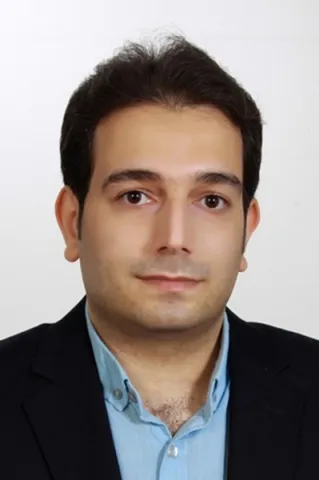
Doctor Ali Shakiba
Research FellowHollow Core Optical Fibre
Mathematical and Numerical Modeling
Email: Ali.Shakiba@soton.ac.ukTel: +44 2380 590136 -
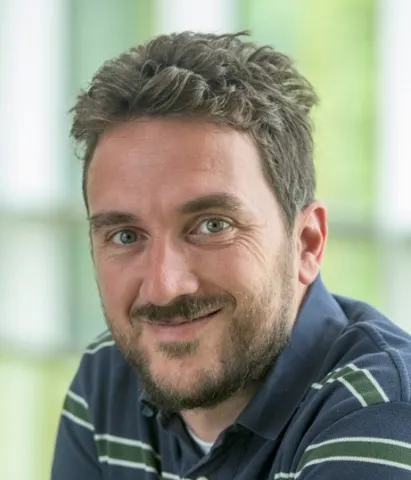
Professor Francesco Poletti
ProfessorHollow Core Optical Fibres: design and fabrication
Accepting applications from PhD studentsEmail: frap@orc.soton.ac.ukTel: +44 23 8059 3924 -
Mr Gianluca Guerra
Research FellowEmail: G.Guerra@soton.ac.uk -

Doctor Gregory Jasion
Principal Research FellowHollow core optical fibre
Fibre draw modelling
Multiphase flow
Email: g.jasion@soton.ac.ukTel: +44 23 8059 0156 -
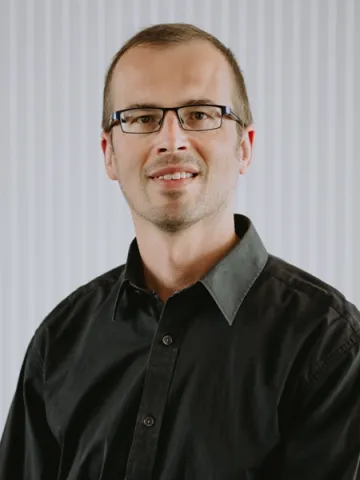
Doctor Hans Christian Mulvad
Senior Research Fellow (ORC Advanced)Hollow core fiber technology
Email: H.C.Mulvad@soton.ac.ukTel: +44 23 8059 0158 -
Doctor Ian Davidson
Senior Research Fellow (ORC Advanced Fellowship)Fabrication, characterisation, and usage of novel micro-structured (predominantly
Email: I.A.K.Davidson@soton.ac.ukTel: +44 23 8059 2610 -
Doctor Kyle Bottrill
Senior Research Fellow (ORC Advanced)Optical technologies
Wideband transmission on a hollow-core fiber
Email: K.Bottrill@soton.ac.ukTel: +44 23 8059 0166 -

Doctor Lin Xu
Associate ProfessorMode-locked fibre lasers (Ytterbium & Thulium fibre systems);
Accepting applications from PhD studentsEmail: L.Xu@soton.ac.ukTel: +44 2380 590167 -
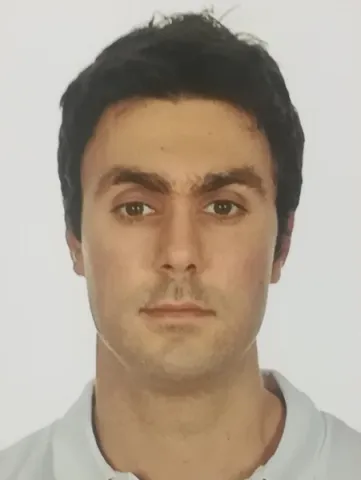
Doctor Massimiliano Guasoni
Principal Research FellowNonlinear optics
Fiber optical amplifiers and oscillators
Accepting applications from PhD studentsEmail: M.Guasoni@soton.ac.ukTel: +44 23 8059 8429 -

Professor Natalie Wheeler
ProfessorEmail: nvw1v10@orc.soton.ac.ukTel: +44 23 8059 2825
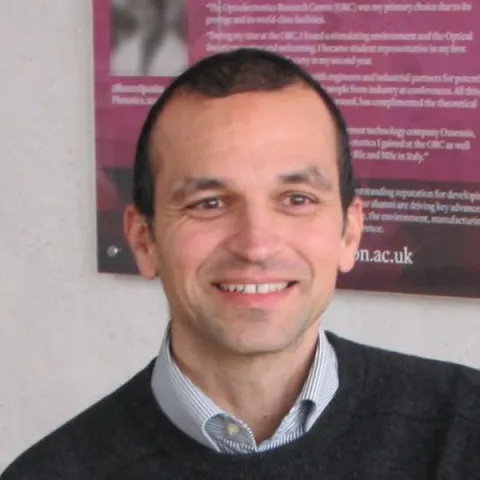


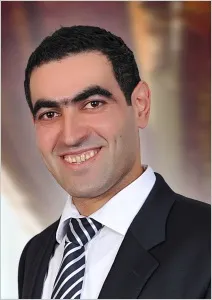
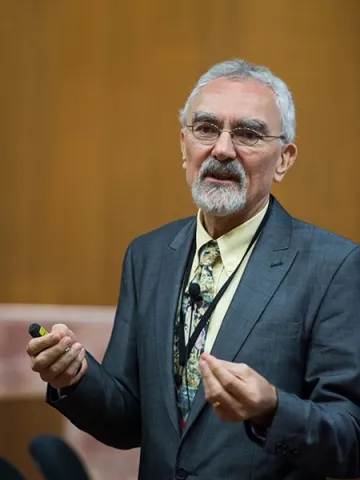
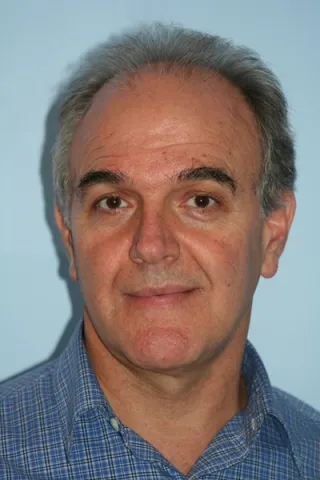


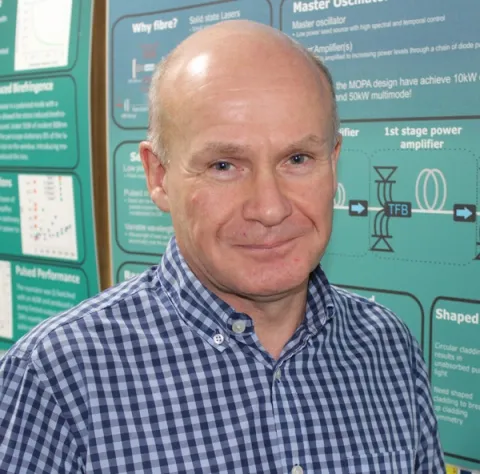

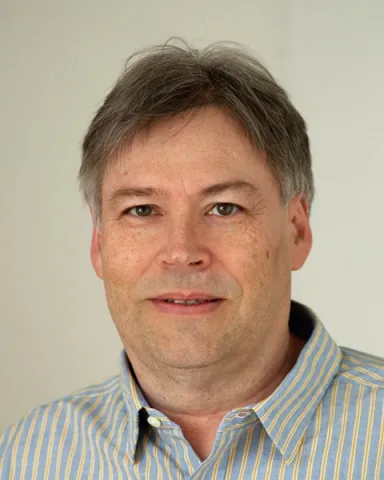

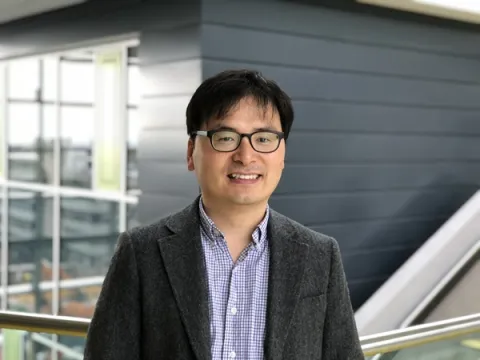
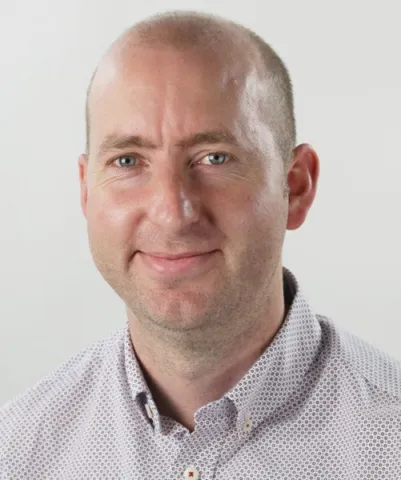


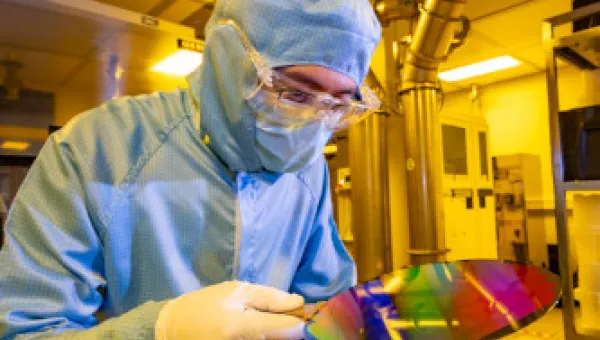
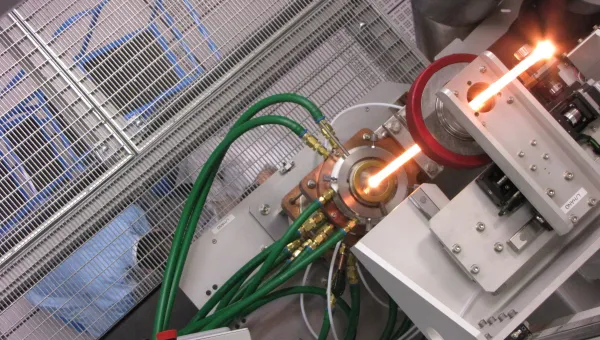
We create novel fibre and waveguide technologies, and by leveraging their incredible capabilities, we push the boundaries of what's possible in communications and beyond.
Related research institutes, centres and groups
-
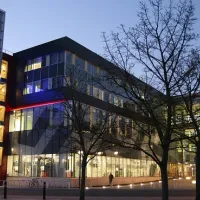
Zepler Cleanrooms
The Zepler Cleanrooms Complex is a state-of-science multidisciplinary Centre which includes a variety of facilities and laboratories for materials and device research in electronics, photonics and nanotechnology, with both planar wafer and optical fibre capabilities supporting both Research and Enterprise. -
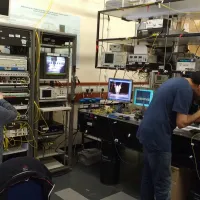
Optical Fibre Communications
We find new ways to use and apply optical technologies in telecommunications. -
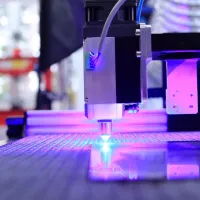
Pulsed Fibre Lasers
We specialise in developing pulsed laser technology for use in medicine, defence, renewable energy, and manufacturing. -
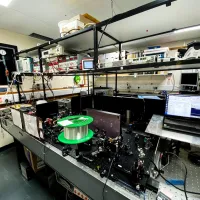
Multimode Photonics
Our research encompasses both fundamental optical physics as well as the design, fabrication and testing of fibre-based and on-chip devices for a broad range of applications. -
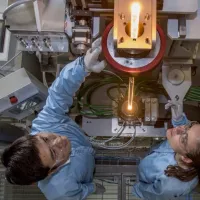
Hollow Core Fibre
We are world-leaders in Hollow Core Optical Fibre research. Our ground-breaking fibres guide light at vacuum speeds and unprecedented intensities, enabling advances in telecoms, manufacturing, and sensing. -
Gas Photonics in Hollow Core Fibres
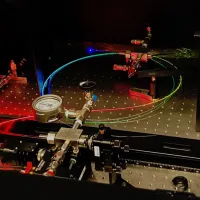
Hollow core fibres enable gas-light interactions over extended lengths, opening up diverse applications in high sensitivity gas sensing, novel wavelengths generation, and waveguide enhancement.